Compare models

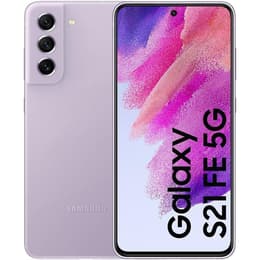
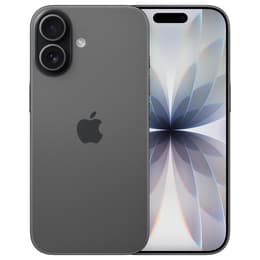
Galaxy S21 FE 5G vs iPhone 17

  • 1-year warranty
  • Free standard shipping
  • Free 30-day returns
Galaxy S21 FE 5G
Starting at

Refurbished price:A$322.00

Versus A$1,144.00 new

See options
iPhone 17
Starting at

Refurbished price:A$1,503.05

Versus A$1,549.00 new

See options

Differences at a glance

The Samsung Galaxy S21 FE 5G (2022) and the Apple iPhone 17 (2025) represent different generations and ecosystems in the smartphone market. While the Galaxy S21 FE 5G runs on the Android operating system with Samsung's custom interface, the iPhone 17 operates on Apple's iOS platform. These two devices differ significantly in their release years, hardware capabilities, and software environments, offering distinct user experiences.

Available Models

Colour

Storage (GB)

Scores

Durability

Evaluating the durability and lifespan of these devices reveals clear differences rooted in their respective release timelines and software support policies.

  • Release timeline and software support: The iPhone 17 benefits from a much later release year, positioning it to receive software and security updates for a significantly longer duration compared to the Galaxy S21 FE 5G.
  • Repairability and build resilience: Both handsets feature robust dust and water resistance ratings, though the iPhone 17 incorporates newer glass protection formulations and structural materials that enhance drop survival rates.
  • Expected practical lifespan: Users can anticipate a longer operational window from the iPhone 17 due to its advanced hardware architecture and extended software update roadmap from the manufacturer.

Release year

2022

2025

Compatible with latest Update

Yes

Yes

Operating system

Android

iOS

Foldable

No

No

Performance

Performance capabilities vary notably between these models, driven by generational advancements in internal components and memory management.

  • System responsiveness and multitasking: The iPhone 17 handles heavy applications, demanding games, and intensive background multitasking with noticeable fluidness, while the Galaxy S21 FE 5G provides capable everyday performance for standard apps and moderate multitasking.
  • Storage configurations: The iPhone 17 starts with larger base storage capacities, whereas the Galaxy S21 FE 5G offers options better suited for moderate media storage needs.
  • Battery behavior: Both devices manage daily energy consumption differently, with the iPhone 17 utilizing power-efficient internal engineering to sustain full-day usage under mixed conditions.

Screen quality

Display technologies on both smartphones deliver bright and clear visuals, though they differ in refresh mechanics and peak brightness capabilities.

  • Display technology and clarity: Both models feature vibrant OLED panels with deep contrast levels and sharp resolutions, ensuring text and images appear crisp during daily viewing.
  • Brightness and outdoor visibility: The iPhone 17 achieves higher peak outdoor brightness levels, making it easier to read content under direct sunlight compared to the Galaxy S21 FE 5G.
  • Refresh rate smoothness: Both screens support smooth high refresh rate output, ensuring fluid scrolling through web pages and responsive motion during gaming or navigation.

Audiovisual

Camera hardware and media consumption features reflect distinct design priorities for photography, video, and audio output.

  • Camera versatility: The iPhone 17 equips upgraded high-resolution sensors on both main and ultra-wide lenses, delivering detailed captures in varied lighting conditions, while the Galaxy S21 FE 5G relies on a versatile triple-lens setup including a dedicated telephoto option.
  • Video and audio output: Video recording on the iPhone 17 benefits from advanced stabilization and cinematic features, accompanied by balanced stereo speakers that enhance media playback quality.
  • Call and recording clarity: Both devices incorporate reliable microphone arrays that isolate voice audio clearly during phone calls and voice notes.

Front camera

32 megapixels

18 megapixels

Miscellaneous

Practical daily features such as connectivity standards, physical dimensions, and biometric sensors shape the overall handling experience.

  • Connectivity and ports: The iPhone 17 adopts modern wireless standards alongside a universal USB-C connection, while the Galaxy S21 FE 5G supports reliable 5G networks and traditional USB-C wired charging.
  • Physical handling: Both phones share a similar weight profile, but differences in screen dimensions and bezel design influence single-handed reach and pocket comfort.
  • Security sensors: The Galaxy S21 FE 5G utilizes an optical under-display fingerprint reader, whereas the iPhone 17 relies on facial recognition technology.

Weight

177 oz

177 oz

Screen size (in)

6.4

6.3

Network

5G

5G

SIM card

Physical SIM

Physical SIM + eSIM

Carrier compatibility

Unlocked

Unlocked

What the community thinks

User feedback from community discussions highlights distinct preferences for each device. Owners of the Galaxy S21 FE 5G frequently praise its balanced feature set, lightweight build, and reliable high-refresh-rate display for everyday tasks. Conversely, iPhone 17 users commonly highlight the device's sustained processing speed, superior outdoor screen brightness, and extended software support timeline as major operational advantages. Common criticisms for the older Samsung model often center on aging battery endurance over time, while discussions surrounding the Apple device occasionally note the high baseline storage configurations.

Users prioritizing deep integration with the Apple ecosystem and long-term software updates will find the iPhone 17 well-suited to their needs. Meanwhile, users who prefer the Android operating system and a flexible multi-lens camera setup, including a dedicated telephoto zoom, may lean toward an Android alternative. Choosing a quality-assured refurbished option provides an eco-friendly, sustainable way to access these capabilities while reducing electronic waste.

See all articles