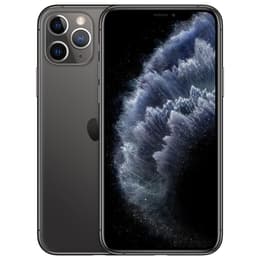

iPhone
Compare models
Differences at a glance
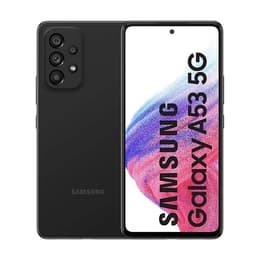
The Samsung Galaxy A53 5G, released in March 2022, and the Apple iPhone 11 Pro, launched in September 2019, represent distinct approaches to smartphone design and functionality. These devices operate on different ecosystems, with the A53 5G running Android and the iPhone 11 Pro utilizing iOS. Key differentiators between them include their respective operating systems, release timelines, display technologies, and camera capabilities.
Colour
Storage
When considering the long-term usability of these devices, their release timelines and software support policies are important factors.
Release year
Compatible with latest Update
Operating system
Foldable
The performance of a smartphone impacts how smoothly applications run, how quickly tasks are completed, and the overall responsiveness of the user experience.
The display is a primary interface for smartphone interaction, influencing everything from media consumption to daily browsing.
Resolution
Screen type
Both devices offer capable camera systems, though they approach photography with different strengths and features.
Main camera
Front camera
Beyond core features, several practical elements contribute to the overall user experience of a smartphone.
Weight
Screen size (in)
Network
SIM card
Carrier compatibility
The Samsung Galaxy A53 5G and the iPhone 11 Pro cater to different user preferences and priorities. The Galaxy A53 5G is often praised for its impressive battery life, vibrant 120Hz AMOLED display, and the versatility offered by its quad-camera system. Users also appreciate Samsung's commitment to extended software updates, ensuring a longer period of support. However, some common criticisms include its performance, which can be less fluid than higher-end devices, particularly in demanding applications, and the absence of a headphone jack or wireless charging.
The iPhone 11 Pro, despite being an older model, continues to be valued for its highly optimized performance, exceptional camera system—especially its low-light capabilities and consistent image quality across lenses—and its bright OLED display. Its compact size is also a draw for users preferring a smaller device. Criticisms often revolve around its 60Hz display refresh rate, which is lower than many newer phones, and its proprietary Lightning port.
Users prioritizing a large, high-refresh-rate display, extensive battery life, and long-term Android software support may find the Galaxy A53 5G well-suited to their needs. Conversely, those who value a highly refined user experience, a top-tier camera for diverse conditions, and the iOS ecosystem, even with a slightly older device, might lean towards the iPhone 11 Pro. Both devices offer compelling features, and choosing between them often comes down to individual preferences for operating system, camera performance, and display characteristics. Exploring quality-assured refurbished options for either model can provide an eco-friendly alternative for consumers.