iPhone
Compare models
Differences at a glance
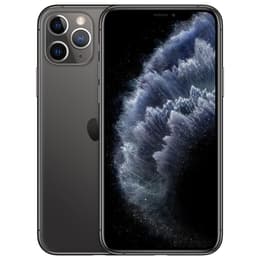
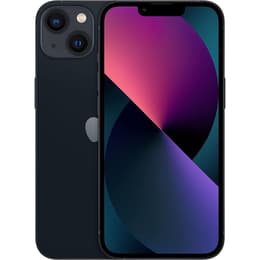
The iPhone 11 Pro, released in September 2019, and the iPhone 13, launched in September 2021, represent different generations of Apple's smartphone lineup. While both operate on Apple's iOS ecosystem, the iPhone 13 introduces advancements in processing power, camera technology, and display features, building upon the foundation set by the 11 Pro.
Colour
Storage
The lifespan of a smartphone is often influenced by its release timeline, software support, and physical resilience. These two models offer differing expectations in these areas.
Release year
Compatible with latest Update
Operating system
Foldable
Performance in smartphones is determined by the internal processing unit, which impacts everything from app responsiveness to multitasking capabilities and battery efficiency.
The visual experience on a smartphone is largely defined by its display technology, resolution, and brightness levels.
Resolution
Screen type
The camera systems on both iPhones offer capable photography and videography, though with distinct differences in their configurations and features.
Main camera
Front camera
Beyond core specifications, several practical elements contribute to the overall user experience and device utility.
Weight
Screen size (in)
Network
SIM card
Carrier compatibility
Connector
The iPhone 11 Pro and iPhone 13 cater to users with varying priorities, reflecting the advancements made in smartphone technology over two generations. Users often praise the iPhone 11 Pro for its robust build quality and the versatility of its triple camera system, particularly the dedicated telephoto lens. Some common criticisms for the 11 Pro, especially in the current landscape, revolve around its shorter software support window compared to newer models and the absence of 5G connectivity.
The iPhone 13, on the other hand, is frequently lauded for its enhanced processing power, improved battery life, and the introduction of features like Cinematic mode and Ceramic Shield for increased durability. Users appreciate its longer expected software longevity and 5G capabilities. A common point of discussion for the iPhone 13 might be its dual-camera setup, which, while excellent, lacks the dedicated telephoto lens found on the 11 Pro.
Users prioritizing a more compact device with a versatile camera system that includes a telephoto lens, and who are comfortable with a device nearing the end of its major software update cycle, may find the iPhone 11 Pro well-suited to their needs. Conversely, users who value the latest performance, extended software support, 5G connectivity, and enhanced durability, along with advanced computational photography features like Cinematic mode, will likely lean towards the iPhone 13. Both devices, when considered as quality-assured refurbished options, offer a sustainable choice for consumers looking to extend the life cycle of electronic products.