
Compare models

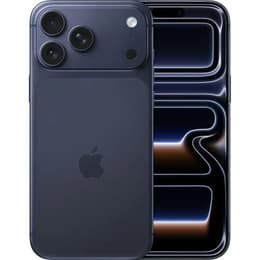
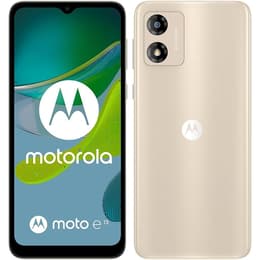
iPhone 17 Pro Max vs Motorola Moto E13

  • 1-year warranty
  • Free standard shipping
  • Free 30-day returns
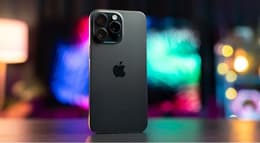
iPhone 17 Pro Max
Starting at

Refurbished price:A$1,746.00

Versus A$1,749.00 new

See options

Differences at a glance

The iPhone 17 Pro Max (2025) and the Motorola Moto E13 (2023) sit at entirely different ends of the smartphone spectrum, representing a high-tier flagship device and an entry-level mobile option respectively. While the iPhone runs on Apple's proprietary ecosystem with advanced software integrations, the Motorola device operates on a streamlined version of Android designed for fundamental daily communication. These two smartphones cater to vastly divergent user expectations, performance requirements, and daily usage habits.

Available Models

Colour

Storage (GB)

Scores

Durability

When examining longevity and durability, both devices offer contrasting timelines and structural build qualities that influence how long they remain practical daily companions.

    Software longevity: The iPhone 17 Pro Max benefits from an extensive multi-year software support schedule, whereas the Motorola Moto E13 operates on a lighter entry-level update cycle tailored for basic operating system patches.
    Build resilience: The iPhone features reinforced glass protection and high-grade water resistance for demanding environments, while the Motorola model includes basic splash and dust resistance suited for gentle everyday handling.
    Expected lifespan: Premium internal hardware allows the iPhone to maintain demanding software capability over many years, whereas the Motorola device serves users seeking a straightforward short-term solution for essential tasks.

Release year

2025

2023

Compatible with latest Update

Yes

No

Operating system

iOS

Android

Foldable

No

No

Performance

Underneath the exterior, hardware configurations dictate how each phone handles multitasking, storage capacity, and power management during routine tasks.

    System responsiveness: The iPhone 17 Pro Max handles heavy gaming, complex creative applications, and intensive multitasking smoothly, while the Motorola Moto E13 manages basic messaging, web browsing, and light utility apps at a steadier pace.
    Storage configurations: Apple provides expansive internal storage tiers starting at high capacities, whereas Motorola offers compact storage configurations complemented by a dedicated slot for expandable memory cards.
    Battery behavior: The Motorola model features a large battery capacity that easily stretches across multiple days of light use due to its low-power components, while the iPhone balances its high-performance display and processor to reliably deliver a full day of mixed heavy use.

Screen quality

Display characteristics shape the visual experience for media consumption, reading text, and interacting with applications outdoors.

    Display technology: The iPhone 17 Pro Max utilizes an advanced OLED panel with deep contrast levels and fluid motion technology, whereas the Motorola Moto E13 employs a standard standard-definition IPS LCD screen for basic viewing.
    Brightness and clarity: High peak brightness levels on the iPhone ensure clear visibility under direct sunlight, while the Motorola display is optimized for indoor environments and shaded outdoor conditions.
    Viewing immersion: A large, high-resolution viewing area on the flagship Apple device provides an expansive canvas for video and gaming, compared to the modest screen dimensions found on the entry-level Motorola model.

Resolution

2868x1320

720 x 1600

Screen type

Super Retina XDR

IPS LCD

Audiovisual

Multimedia capture capabilities and audio output differ significantly between the sophisticated multi-lens setup of the flagship and the simplified single-lens approach of the budget device.

    Photography performance: The iPhone 17 Pro Max incorporates a versatile triple-lens system with high-resolution sensors for detailed low-light and zoomed photography, whereas the Motorola Moto E13 features a single rear camera suited for casual daytime snapshots.
    Video recording: Advanced stabilization and high-definition video formats allow the iPhone to capture professional-grade footage, while the Motorola device records standard-resolution clips for simple sharing.
    Audio output: Stereo speaker arrays on the flagship deliver rich media playback and clear call audio, while the Motorola model provides standard mono or basic stereo sound alongside a traditional headphone jack for wired listening.

Main camera

48 megapixels

13 megapixels

Front camera

18 megapixels

5 megapixels

Miscellaneous

Everyday practicalities such as connectivity standards, physical dimensions, and security sensors define how comfortable each phone is to carry and use.

    Biometric security: The iPhone uses advanced facial recognition for secure unlocking and authentication, while the Motorola Moto E13 relies on passcode entry or basic software features without a hardware fingerprint scanner.
    Physical handling: Weighing considerably more with a wide frame, the iPhone prioritizes screen real estate, whereas the lightweight and slim profile of the Motorola device makes it effortless to hold with one hand.
    Connectivity: Modern 5G capabilities and fast wireless standards on the iPhone contrast with the 4G LTE connectivity found on the entry-level Motorola handset.

Weight

233 oz

181 oz

Screen size (in)

6.9

6.5

Network

5G

4G

SIM card

eSIM

Dual Physical SIM

Carrier compatibility

Unlocked

Unlocked

What the community thinks

Choosing between these two smartphones depends heavily on individual daily needs and technical expectations. Users prioritizing high-end gaming, advanced photography, and long-term software support will find the iPhone 17 Pro Max well-suited to their demands. Conversely, users seeking a straightforward, lightweight device strictly for calls, messaging, and basic web browsing may lean toward the Motorola Moto E13.

For those mindful of environmental impact, choosing a quality-assured refurbished option provides a sustainable way to access advanced technology without purchasing brand-new hardware. Evaluating your core priorities regarding performance, camera quality, and software longevity will clarify which device matches your lifestyle.


See all articles

Our recent comparisons