Motorola Moto G14 vs Nokia G22

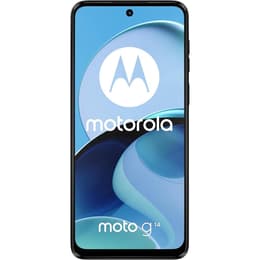
Motorola Moto G14
Motorola Moto G14
Starting at

Refurbished price:A$182.00

Versus A$271.00 new

See options
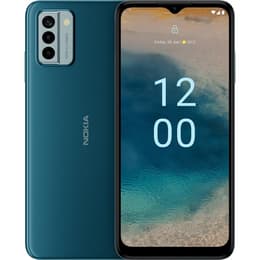
Nokia G22
Nokia G22
See options

The Motorola Moto G14 and the Nokia G22 are both entry-level smartphones released in 2023, offering Android experiences designed for everyday use. While both devices aim to provide reliable functionality, they differentiate themselves through display clarity, software support commitments, and a notable focus on user repairability from Nokia. Both operate on the Android platform, providing access to a wide ecosystem of applications and services.

Scores

Durability

When considering the longevity of these devices, several factors come into play, including their release timelines, software support, and ease of repair.

  • Release and Software Support: The Nokia G22, released in February 2023, launched with Android 12 and is promised two major OS upgrades, extending to Android 14, along with three years of security updates. The Motorola Moto G14, launched in August 2023, came with Android 13 and is slated to receive one major OS upgrade to Android 14, plus three years of security updates. This means the Nokia G22 may offer a slightly longer period of major Android version updates from its initial release, though both will receive security patches for a comparable duration.
  • Repairability: The Nokia G22 stands out with an iFixit repairability score of 8 out of 10, indicating a design that facilitates easier self-repair for components like the battery, screen, and charging port, with official parts and guides available. In contrast, the Motorola Moto G14 has a lower repairability score of 5.0 out of 10, largely due to the use of adhesive for the back cover and battery, making disassembly more challenging.
  • Practical Lifespan: Users prioritizing the ability to perform common repairs themselves to extend the device's functional life may find the Nokia G22 more appealing. Both devices are expected to offer a practical lifespan suitable for typical smartphone usage, with software support being a key determinant for continued secure operation.

Release year

2023

2023

Compatible with latest Update

Yes

No

Operating system

Android

Android

Foldable

No

No

Performance

Both smartphones are equipped to handle daily tasks, but their underlying hardware leads to subtle differences in responsiveness and multitasking capabilities.

  • Daily Usage: The Motorola Moto G14, powered by a Unisoc T616 processor, generally offers smooth performance for common applications, web browsing, and light gaming. The Nokia G22, featuring a Unisoc T606 processor, also manages everyday tasks adequately, though some users report a noticeable lag with heavier applications compared to more powerful devices.
  • Multitasking and Storage: Both devices typically come with 4GB of RAM, which is sufficient for managing a few applications simultaneously. The Moto G14 offers 128GB of internal storage, expandable up to 1TB, while the Nokia G22 comes with 64GB or 128GB options, expandable up to 2TB. Users who frequently switch between many apps or require more storage for media and files might find the higher expandable storage capacity of the Nokia G22 beneficial.
  • Battery Behavior: Both phones are equipped with large 5000mAh (Moto G14) and 5050mAh (Nokia G22) batteries, designed to provide extended usage. The Nokia G22 is often highlighted for its very long battery life, with some reports suggesting up to three days of use with light to moderate activity. The Moto G14 also offers strong battery performance, often lasting through a full day of heavy use and potentially into a second day for lighter users.

Memory (GB)

4 GB

4 GB

Screen quality

The visual experience on a smartphone is largely defined by its display, and these two models present different characteristics.

  • Display Technology and Resolution: Both the Motorola Moto G14 and the Nokia G22 feature IPS LCD panels. The Moto G14 offers a Full HD+ resolution (1080x2400 pixels), resulting in a sharper image with a pixel density of 405 PPI. The Nokia G22 has an HD+ resolution (720x1600 pixels) with a pixel density of approximately 270 PPI. This difference means the Moto G14 provides clearer and more detailed visuals, particularly noticeable when viewing text or high-resolution content.
  • Refresh Rate and Brightness: The Nokia G22 features a 90Hz refresh rate, which contributes to smoother scrolling and a more fluid visual experience compared to the Moto G14's standard 60Hz refresh rate. For brightness, the Nokia G22 can reach up to 500 nits, offering good visibility in various lighting conditions, including outdoors. The Moto G14's display brightness is generally considered decent for outdoor viewing, though specific nits values are less consistently reported.
  • Screen Size and Protection: Both devices have a 6.5-inch display, providing ample screen real estate for media consumption and daily tasks. The Nokia G22 is protected by Corning Gorilla Glass 3, offering a good level of scratch resistance. The Moto G14 features Panda Glass protection.

Resolution

1080 x 2400

720 x 1600

Screen type

IPS LCD

IPS LCD

Audiovisual

The camera systems on both the Moto G14 and Nokia G22 are designed for general photography, with similar main sensor specifications but varying secondary lenses.

  • Main Camera Performance: Both smartphones feature a 50-megapixel main camera sensor. In well-lit conditions, both are capable of capturing images with reasonable detail and color accuracy. User reviews suggest that the Moto G14's main camera performs well in daylight, producing good dynamic range. The Nokia G22's 50MP main sensor also performs decently in good lighting.
  • Secondary Lenses and Low-Light: The Moto G14 includes a 2-megapixel macro camera, while the Nokia G22 features a 2-megapixel macro and a 2-megapixel depth sensor. The utility of these lower-resolution secondary lenses is often limited, primarily serving for close-up shots or portrait effects. In low-light conditions, both devices show typical limitations for their segment, with images often exhibiting reduced detail and increased noise. The Moto G14 uses pixel binning to improve low-light shots, but significant improvements are not always observed.
  • Video and Front Camera: Both phones support video recording at 1080p resolution at 30 frames per second from both their rear and 8-megapixel front-facing cameras. The front cameras are suitable for video calls and casual selfies in good lighting. The Nokia G22 also features OZO Audio recording, which can enhance audio quality in videos.

Main camera

50 megapixels

50 megapixels

Front camera

8 megapixels

8 megapixels

Miscellaneous

Beyond core performance, several practical features contribute to the overall user experience of these smartphones.

  • Connectivity: A key differentiator is network support; the Motorola Moto G14 offers 5G connectivity, providing access to faster mobile data speeds where available. The Nokia G22 is limited to 4G LTE networks. Both devices support Wi-Fi 5 (802.11 a/b/g/n/ac) and Bluetooth 5.0 for wireless connections. NFC is available on both, though it can be market/region dependent.
  • Ports and Sensors: Both smartphones include a USB-C port for charging and data transfer, along with a 3.5mm headphone jack, which is convenient for wired audio accessories. For security, both feature a side-mounted fingerprint sensor and support face recognition.
  • Build and Handling: The Moto G14 has dimensions of 161.46 x 73.82 x 7.99 mm and weighs 177 grams, making it slightly lighter and thinner. The Nokia G22 measures 165 x 76.19 x 8.48 mm and weighs 196.23 grams. Both have plastic backs and are IP52 rated for dust and splash resistance, offering some protection against everyday elements. The Moto G14 also boasts stereo speakers with Dolby Atmos support for an enhanced audio experience.

Weight

177 oz

196 oz

Screen size (in)

6.5

6.5

Network

4G

4G

SIM card

Dual Physical SIM

Dual Physical SIM

Carrier compatibility

Unlocked

Unlocked

User feedback for both the Motorola Moto G14 and Nokia G22 generally highlights their strengths within the entry-level smartphone segment. The Moto G14 is often praised for its sharp Full HD+ display and stereo speakers, making it a good option for multimedia consumption. Users appreciate its clean Android experience and reliable battery life for daily tasks. Some criticisms point to its 60Hz refresh rate and the absence of 5G in some regions, which might be a consideration for those seeking the fastest connectivity.

The Nokia G22 receives significant positive attention for its repairability-focused design, with many users valuing the ability to easily replace components like the battery and screen. Its extended battery life is also a frequently lauded feature. However, common concerns include its HD+ display resolution and the performance of its camera in challenging lighting conditions. The commitment to software updates is generally seen as a positive, though some note the initial Android version at launch.

Users prioritizing a sharper display and potentially faster mobile data speeds with 5G connectivity may prefer the Motorola Moto G14. Its multimedia capabilities, including stereo sound, also make it suitable for those who consume a lot of video and audio content. Conversely, individuals who value the ability to maintain and repair their device over time, coupled with a smoother scrolling experience from a 90Hz display and exceptional battery longevity, will find the Nokia G22 well-suited to their needs. Both devices offer a solid foundation for everyday smartphone use, and choosing between them often comes down to whether display clarity and 5G are paramount, or if repairability and a higher refresh rate take precedence. For those considering a sustainable choice, a quality-assured refurbished option of either model can provide an excellent alternative.

See all articles

Our recent comparisons