Compare models

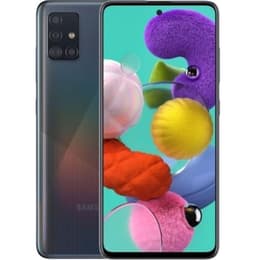
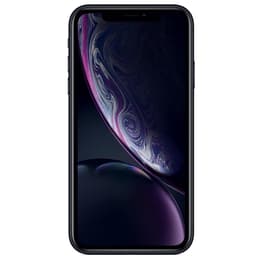
Galaxy A51 vs iPhone XR

  • 1-year warranty
  • Free standard shipping
  • Free 30-day returns
Galaxy A51
Starting at

Refurbished price:A$165.00

Versus A$592.00 new

See options
iPhone XR
Starting at

Refurbished price:A$193.00

Versus A$589.00 new

See options

Differences at a glance

The Samsung Galaxy A51 (2019) and the Apple iPhone XR (2018) represent popular mid-range smartphone choices from previous generations, offering distinct approaches to daily mobile computing. While the Galaxy A51 runs on the Android operating system with Samsung's customizable interface, the iPhone XR operates on Apple's streamlined iOS platform. The primary differentiators between these two devices lie in their software ecosystems, display technologies, and camera configurations, each catering to different user preferences and workflows.

Available Models

Colour

Storage

Scores

Durability

When evaluating the life expectancy and structural endurance of these two models, notable differences emerge regarding their release timelines and long-term software support frameworks.

  • Release timeline and software support: The iPhone XR launched in late 2018, whereas the Galaxy A51 arrived in late 2019, giving the Samsung model a slight advantage in age. However, Apple typically provides extended software update cycles for its hardware, while Samsung's support timeline for this generation follows a more traditional path.
  • Repairability and physical endurance: Both devices feature standard glass and frame construction that benefits from professional repair services. Users seeking a quality-assured refurbished option will find that both models maintain good structural longevity when properly serviced.

Release year

2019

2018

Compatible with latest Update

No

Yes

Operating system

Android

iOS

Foldable

No

No

Performance

Daily performance and operational responsiveness vary significantly due to internal hardware differences and software optimization between the two ecosystems.

  • System responsiveness and multitasking: Both handsets handle standard messaging, web browsing, and social media apps reliably. The iPhone XR manages demanding applications and navigation fluidly through tight hardware-software integration, while the Galaxy A51 provides adequate processing capability for routine multitasking and everyday routines.
  • Battery behavior and storage: Battery longevity during typical daily use easily covers a full morning and afternoon for both devices, though heavy media consumption may require a recharge before the end of the day. Storage configurations on both models range across standard capacities, with the Galaxy A51 offering expandable storage via a memory card slot.

Screen quality

Visual output and display characteristics differ notably, driven by contrasting panel technologies used by each manufacturer.

  • Display technology and colors: The Galaxy A51 features a Super AMOLED screen known for deep contrast levels and saturated colors, whereas the iPhone XR utilizes a Liquid Retina LCD panel that presents natural and accurate color reproduction.
  • Brightness and clarity: Both displays offer clear text and adequate outdoor visibility under standard daylight conditions, though the Samsung model provides a higher pixel density for sharper fine details.

Resolution

1080 x 2400

828 x 1792

Screen type

Super AMOLED

Liquid Retina IPS LCD

Audiovisual

Photography and media recording capabilities reflect completely different hardware philosophies between the two manufacturers.

  • Camera versatility: The Galaxy A51 is equipped with a versatile multi-lens rear array that includes a dedicated ultra-wide sensor and a macro lens for close-up subjects. In contrast, the iPhone XR relies on a single rear camera lens that delivers reliable everyday snapshots and balanced exposure control.
  • Video and audio output: Both phones capture stable video recordings suitable for sharing, and their built-in speakers provide clear audio for casual media playback and hands-free calls.

Main camera

48 megapixels

12 megapixels

Front camera

32 megapixels

7 megapixels

Miscellaneous

Practical everyday features, connectivity standards, and physical handling characteristics shape the day-to-day user experience.

  • Connectivity and ports: The Galaxy A51 utilizes a reversible USB-C port and includes a traditional 3.5mm headphone jack, whereas the iPhone XR employs Apple's proprietary Lightning connector. Both devices support standard 4G mobile networks, reliable Wi-Fi, and Bluetooth connectivity.
  • Security and handling: Biometric authentication differs between an in-screen optical fingerprint sensor on the Samsung and facial recognition technology on the Apple device. Both models offer comfortable physical dimensions that sit securely in one hand.

Weight

172 oz

194 oz

Screen size (in)

6.5

6.1

Network

4G

4G

SIM card

Physical SIM

Physical SIM + eSIM

Carrier compatibility

Unlocked

Unlocked

What the community thinks

User discussions across community forums highlight distinct sentiments for each device. Owners of the Galaxy A51 frequently praise its vibrant display panel, versatile multi-lens camera setup, and the practical inclusion of expandable storage. Meanwhile, users of the iPhone XR often emphasize the reliable system fluidity, long-term software support, and straightforward user interface provided by iOS. Common concerns for both models generally center on battery degradation over extended years of use, which can be effectively addressed by choosing a quality-assured refurbished option as a sustainable choice.

Users prioritizing a customizable software experience, expandable storage, and a multi-lens camera array will find the Galaxy A51 well-suited to their needs. Conversely, users favoring long-term software update longevity, a streamlined operating system, and straightforward handling may lean toward the iPhone XR. Selecting between these two devices ultimately depends on individual preferences regarding software ecosystems and daily feature priorities.