iPhone 8 vs iPhone XS

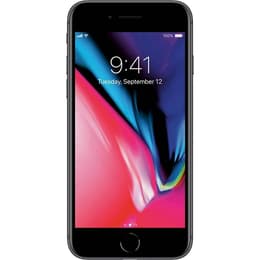
iPhone 8
iPhone 8
Starting at

Refurbished price:A$137.00

Versus A$409.00 new

See options
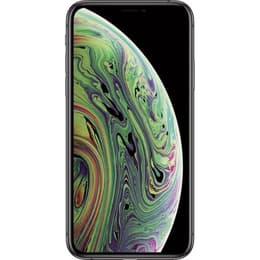
iPhone XS
iPhone XS
Starting at

Refurbished price:A$227.00

Versus A$1,199.00 new

See options

Ratings

The iPhone 8, released in September 2017, and the iPhone Xs, launched in September 2018, represent two distinct phases in Apple's smartphone evolution. While the iPhone 8 maintained the classic iPhone design with a physical home button, the iPhone Xs introduced the all-screen aesthetic and Face ID, marking a significant shift in user interaction and display technology. Both devices operate on Apple's iOS platform, offering a consistent software experience, though their hardware capabilities lead to differences in performance and feature availability.

Scores

Durability

When considering the practical lifespan of these devices, their release timelines and subsequent software support are key factors. The iPhone Xs, being a year newer, generally benefits from an extended period of official software updates and security patches.

  • Software Longevity: The iPhone 8 received major iOS updates up to iOS 16, with security updates continuing for a period thereafter. The iPhone Xs, however, received major iOS updates up to iOS 18, and is expected to continue receiving security updates through late 2026. This means the iPhone Xs offers a longer window for accessing the latest app functionalities and security enhancements.
  • Repairability: The iPhone 8 received a repairability score of 6 out of 10, with its screen and battery being relatively straightforward to replace. However, its glass back is noted as difficult to repair if damaged. While a specific repairability score for the iPhone Xs is not as widely cited, its more complex design, including the OLED display and Face ID components, can present different challenges for repairs.
  • Expected Practical Lifespan: Users can expect the iPhone Xs to remain fully functional and compatible with most applications for a longer duration than the iPhone 8, primarily due to its newer processor and extended software support. Both models, when acquired as quality-assured refurbished options, can offer reliable performance for years to come.

Release year

2017

2018

Compatible with latest Update

No

Yes

Operating system

iOS

iOS

Foldable

No

No

Performance

The internal components of the iPhone 8 and iPhone Xs contribute to noticeable differences in their day-to-day performance, particularly in handling demanding applications and multitasking.

  • Processor Capabilities: The iPhone 8 is equipped with a capable processor that handles everyday tasks, web browsing, and most applications smoothly. The iPhone Xs features a next-generation processor, which provides a more responsive experience, faster app loading times, and improved efficiency for graphically intensive games and augmented reality applications.
  • Multitasking and Responsiveness: The iPhone Xs includes more internal memory, which allows it to manage more applications simultaneously without needing to reload them as frequently. This results in a smoother transition between apps and a more fluid overall user experience compared to the iPhone 8.
  • Storage Options: Both devices offer 64GB and 256GB storage configurations. The iPhone 8 also had a 128GB option, while the iPhone Xs introduced a larger 512GB option, catering to users with extensive storage needs for photos, videos, and applications.

Memory

2 GB

4 GB

Screen quality

The display is one of the most significant differentiating factors between the iPhone 8 and the iPhone Xs, impacting the visual experience for media consumption and daily use.

  • Display Technology and Clarity: The iPhone 8 features a 4.7-inch Retina HD IPS LCD display, offering good color accuracy and brightness. The iPhone Xs, however, boasts a 5.8-inch Super Retina HD OLED display. This OLED technology provides deeper blacks, higher contrast ratios, and more vibrant colors, resulting in a more immersive viewing experience.
  • Resolution and Brightness: The iPhone 8 has a resolution of 1334x750 pixels at 326 pixels per inch (ppi). The iPhone Xs offers a significantly higher resolution of 2436x1125 pixels at 458 ppi, leading to sharper text and more detailed images. Both devices offer a maximum typical brightness of 625 nits, ensuring good visibility in various lighting conditions.
  • Screen Size and Viewing Experience: Despite the iPhone Xs being only slightly larger in physical dimensions than the iPhone 8, its edge-to-edge display design allows for a much larger 5.8-inch screen compared to the iPhone 8's 4.7-inch screen. This provides a more expansive viewing area for videos, games, and web content.

Resolution

750 x 1334

1125 x 2436

Screen type

Retina IPS LCD

Super Retina OLED

Audiovisual

The camera systems on the iPhone 8 and iPhone Xs offer distinct capabilities, particularly in advanced photography features and overall image processing.

  • Rear Camera System: The iPhone 8 features a single 12-megapixel wide-angle rear camera with optical image stabilization (OIS) and an f/1.8 aperture, capable of capturing good quality photos in various conditions and 4K video at up to 60 frames per second. The iPhone Xs upgrades to a dual 12-megapixel rear camera system, including a wide-angle lens (f/1.8) and a telephoto lens (f/2.4), both with OIS. This dual-camera setup enables features like Portrait Mode with depth control and 2x optical zoom.
  • Photography Features: The iPhone Xs introduces Smart HDR for improved dynamic range in photos and Portrait Lighting, which allows for studio-quality lighting effects. While the iPhone 8 offers Auto HDR, it lacks the advanced computational photography features found in the iPhone Xs.
  • Video and Audio Recording: Both phones record 4K video at various frame rates. The iPhone Xs enhances video recording with extended dynamic range and stereo audio recording, providing a richer sound experience for captured videos. The front-facing cameras on both are 7-megapixel with an f/2.2 aperture, suitable for selfies and video calls.

Main camera

12 megapixels

12 megapixels

Front camera

7 megapixels

7 megapixels

Miscellaneous

Beyond core performance and display, several practical aspects differentiate the iPhone 8 and iPhone Xs, influencing daily usability and overall device interaction.

  • Biometric Security: The iPhone 8 relies on Touch ID, an integrated fingerprint sensor in the home button, for secure authentication. The iPhone Xs replaces the home button with Face ID, Apple's facial recognition system, offering a different method for unlocking the device and authenticating purchases.
  • Build Materials and Durability: The iPhone 8 features an aluminum frame with a glass back, supporting wireless charging. The iPhone Xs utilizes a more robust stainless steel frame with a glass back, contributing to a slightly heavier feel and potentially increased structural rigidity. Both devices support wireless charging.
  • Environmental Resistance and Connectivity: The iPhone 8 is rated IP67 for water and dust resistance, meaning it can withstand submersion in up to 1 meter of water for 30 minutes. The iPhone Xs improves upon this with an IP68 rating, allowing for submersion in up to 2 meters of water for the same duration. Both devices offer standard connectivity options including LTE, Wi-Fi 802.11ac, and Bluetooth 5.0, and use the Lightning port for charging and data transfer. The iPhone Xs also supports dual SIM functionality (nano-SIM and eSIM).

Weight

148 oz

177 oz

Screen size (in)

4.7

5.8

Network

4G

4G

SIM card

Physical SIM

Physical SIM + eSIM

Carrier compatibility

Unlocked

Unlocked

Connector

Lightning

Lightning

User feedback often highlights the iPhone 8 as a reliable device for those who appreciate the traditional iPhone design, including the physical home button and Touch ID. Its compact size and solid performance for everyday tasks are frequently praised. Criticisms sometimes point to its aging design and the limitations of its single camera system compared to newer models.

The iPhone Xs is generally viewed as the entry point into Apple's modern smartphone era, with its expansive OLED display and Face ID being significant upgrades. Users often commend its improved camera capabilities, particularly Portrait Mode and Smart HDR, and its more powerful processor for a smoother experience. Some users, however, might find the transition from a physical home button to gesture navigation requires an adjustment period.

Users prioritizing a compact device with familiar navigation and sufficient performance for general use may find the iPhone 8 well-suited to their needs. Conversely, those who desire a larger, more vibrant display, enhanced camera features for creative photography, and a more future-proof performance for demanding applications will likely lean towards the iPhone Xs. Choosing a quality-assured refurbished option for either model provides an eco-friendly alternative, allowing access to these features while making a sustainable choice.
See all articles

Our recent comparisons