iPhone
Compare models
Differences at a glance
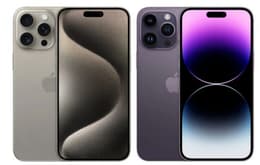
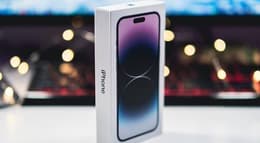
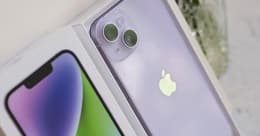
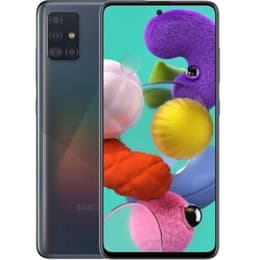
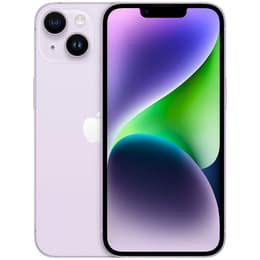
The Samsung Galaxy A51, released in early 2020, and the Apple iPhone 14, launched in late 2022, represent distinct approaches to smartphone design and functionality. While both devices offer a comprehensive mobile experience, they cater to different user expectations, primarily differing in their operating systems, performance tiers, and camera philosophies. The Galaxy A51 operates on Android, offering a customizable interface, whereas the iPhone 14 runs on Apple's iOS, known for its streamlined ecosystem.
Colour
Storage
The expected practical lifespan of a smartphone is influenced by its initial release date, software support, and physical resilience. These two models show notable differences in these areas.
Release year
Compatible with latest Update
Operating system
Foldable
Performance is a key differentiator, impacting how smoothly applications run and how efficiently daily tasks are handled.
The visual experience is largely defined by the display technology, resolution, and overall screen characteristics.
Resolution
Screen type
Camera capabilities vary significantly between these two models, impacting the quality and versatility of photos and videos.
Main camera
Front camera
Beyond core features, practical elements like connectivity, ports, and physical design contribute to the overall user experience.
Weight
Screen size (in)
Network
SIM card
Carrier compatibility
The Samsung Galaxy A51 and iPhone 14 cater to different user priorities, reflecting their respective release timelines and design philosophies. The Galaxy A51 has been noted for its vibrant Super AMOLED display, the inclusion of a 3.5mm headphone jack, and expandable storage, which are often praised by users who value multimedia consumption and storage flexibility. However, some users have expressed concerns regarding its performance, particularly with demanding applications or over extended use.
The iPhone 14, conversely, receives consistent praise for its robust performance, advanced camera capabilities, and the seamless integration within the iOS ecosystem. Its safety features, such as Emergency SOS via satellite and Crash Detection, are also significant advantages. A common point of discussion among users, however, relates to its repairability, which has been noted as challenging due to software authentication requirements for replacement parts.
Users prioritizing a larger display, the convenience of a headphone jack, and the option for expandable storage may find the Galaxy A51 aligns well with their needs. It offers a solid foundation for everyday tasks and media consumption. Conversely, individuals who place a higher value on consistent high performance, advanced photographic and videographic capabilities, a longer software support window, and integrated safety features will likely find the iPhone 14 to be a more suitable choice. When considering either device, exploring a quality-assured refurbished option can provide a sustainable choice for consumers.