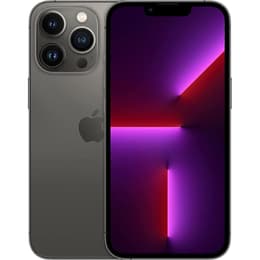

Galaxy A51 vs iPhone 13 Pro

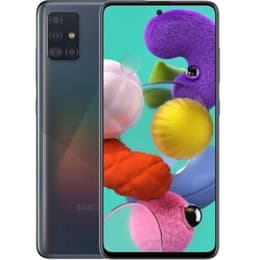
Galaxy A51
Galaxy A51
Starting at

Refurbished price:A$196.16

Versus A$592.00 new

See options
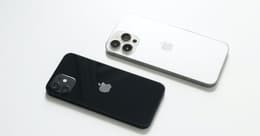
iPhone 13 Pro
iPhone 13 Pro
Starting at

Refurbished price:A$545.00

Versus A$1,539.00 new

See options

Ratings

The Samsung Galaxy A51, released in late 2019, and the Apple iPhone 13 Pro, launched in late 2021, represent distinct offerings within the smartphone market. While the Galaxy A51 is a mid-range Android device known for its versatile features, the iPhone 13 Pro is a flagship iOS smartphone that prioritizes advanced performance and camera capabilities. These differences cater to varying user needs and preferences, from operating system ecosystems to hardware specifications.

Scores

Durability

The longevity of a smartphone is influenced by its build quality, software support, and the availability of replacement parts. Both devices offer different approaches to durability and long-term usability.

  • Software Support: The Galaxy A51 launched with Android 10 and received commitments for three generations of Android updates and four years of security updates, reaching Android 13. The iPhone 13 Pro, running iOS, typically receives five to seven years of major operating system updates, offering a longer period of current software features and security patches.
  • Build Materials: The Galaxy A51 features a plastic back and frame, with a Corning Gorilla Glass 3 display for scratch resistance. The iPhone 13 Pro utilizes more robust materials, including a Ceramic Shield front cover, a stainless steel frame, and a textured matte glass back, contributing to enhanced drop and scratch resistance.
  • Repairability: While specific repairability scores vary, the construction of both devices involves adhesives and internal components that require specialized tools for repair. The Galaxy A51's plastic components may offer some flexibility, whereas the iPhone 13 Pro's premium materials are designed for structural integrity.

Release year

2019

2021

Compatible with latest Update

No

Yes

Operating system

Android

iOS

Foldable

No

No

Performance

Performance is a key differentiator, impacting how smoothly applications run, how quickly tasks are completed, and the overall responsiveness of the device.

  • Processing Power: The Galaxy A51 is equipped with a mid-range processor, which handles everyday tasks like browsing, social media, and light gaming smoothly. The iPhone 13 Pro features a high-performance processor designed for demanding applications, intensive multitasking, and graphically rich games, offering a noticeably faster and more fluid user experience.
  • Multitasking and Storage: The Galaxy A51 offers various RAM configurations, typically starting from 4GB, and storage options up to 128GB, expandable via microSD card. The iPhone 13 Pro comes with 6GB of RAM and internal storage options ranging from 128GB up to 1TB, without expandable storage. The larger RAM in the iPhone 13 Pro supports more applications running simultaneously without slowdowns.
  • Battery Behavior: The Galaxy A51 includes a 4000 mAh battery (LTE variant) or 4500 mAh (5G variants), supporting 15W fast charging. The iPhone 13 Pro has a 3095 mAh battery, which, combined with its efficient processor and iOS optimizations, provides extended usage throughout the day for many users.

Memory (GB)

6 GB

6 GB

Screen quality

The display is the primary interface for user interaction, and both devices offer distinct visual experiences.

  • Display Technology: The Galaxy A51 features a 6.5-inch Super AMOLED Infinity-O display, known for its vibrant colors and deep blacks. The iPhone 13 Pro boasts a 6.1-inch Super Retina XDR OLED display with ProMotion technology, offering exceptional color accuracy, contrast, and brightness.
  • Resolution and Clarity: Both phones offer Full HD+ resolutions, with the Galaxy A51 at 1080 x 2400 pixels (~405 ppi) and the iPhone 13 Pro at 2532 x 1170 pixels (~460 ppi). The iPhone 13 Pro's higher pixel density contributes to slightly sharper text and images.
  • Refresh Rate and Brightness: The Galaxy A51 has a standard 60Hz refresh rate. The iPhone 13 Pro features an adaptive ProMotion display that can dynamically adjust its refresh rate from 10Hz to 120Hz, resulting in smoother scrolling and more responsive animations. The iPhone 13 Pro also offers higher peak brightness, making it more visible in bright outdoor conditions.

Resolution

1080 x 2400

1170 x 2532

Screen type

Super AMOLED

Super Retina XDR OLED

Audiovisual

Camera capabilities are a significant factor for many users, and these devices offer different strengths in photography and videography.

  • Rear Camera Systems: The Galaxy A51 features a versatile quad-camera setup, including a 48MP main sensor, a 12MP ultrawide, a 5MP macro, and a 5MP depth sensor, providing a range of shooting options. The iPhone 13 Pro is equipped with a professional-grade triple 12MP camera system, comprising Wide, Ultra Wide, and Telephoto lenses, enhanced by a LiDAR scanner for improved low-light focusing and depth sensing.
  • Photography Features: The Galaxy A51 offers features like Live Focus for bokeh effects and a dedicated macro lens for close-up shots. The iPhone 13 Pro excels in low-light photography with its larger sensors and wider apertures, offers a 3x optical zoom telephoto lens, and includes advanced features like Cinematic mode for video and Photographic Styles.
  • Video Recording: Both devices can record video up to 4K at 30 frames per second. The iPhone 13 Pro extends this to 4K at 60 frames per second and supports ProRes video recording, offering more professional video capabilities. The iPhone 13 Pro also features Sensor-shift optical image stabilization for smoother video.
  • Front Camera: The Galaxy A51 has a 32MP front-facing camera. The iPhone 13 Pro features a 12MP TrueDepth front camera with advanced portrait modes and cinematic video capabilities.

Main camera

48 megapixels

12 megapixels

Front camera

32 megapixels

12 megapixels

Miscellaneous

Beyond core features, several practical elements contribute to the overall user experience and device utility.

  • Connectivity: The Galaxy A51 offers 4G connectivity, with some variants supporting 5G, along with Wi-Fi 5 and Bluetooth 5.0. The iPhone 13 Pro supports 5G connectivity across all models, Wi-Fi 6, and Bluetooth 5.0, providing faster wireless speeds and more reliable connections.
  • Ports and Sensors: The Galaxy A51 includes a USB-C port for charging and data transfer, and notably retains a 3.5mm headphone jack. It features an in-display optical fingerprint sensor for biometric authentication. The iPhone 13 Pro uses a Lightning port and relies on Face ID for secure facial recognition.
  • Dimensions and Weight: The Galaxy A51 measures 158.5 x 73.6 x 7.9 mm and weighs 172g. The iPhone 13 Pro is slightly more compact at 146.7 x 71.5 x 7.65 mm but heavier at 204g, due to its premium build materials.
  • Additional Features: The iPhone 13 Pro includes MagSafe for magnetic accessories and wireless charging, and IP68 water and dust resistance. The Galaxy A51 has a microSD card slot for expandable storage, a feature not present on the iPhone 13 Pro.

Weight

172 oz

203 oz

Screen size (in)

6.5

6,1

Network

4G

5G

SIM card

Physical SIM

Physical SIM + eSIM

Carrier compatibility

Unlocked

Unlocked

The Samsung Galaxy A51 and iPhone 13 Pro cater to different segments of the smartphone market, each with its own set of strengths and considerations. Users often praise the Galaxy A51 for its vibrant Super AMOLED display, versatile quad-camera system, and the inclusion of a headphone jack and expandable storage. Criticisms sometimes point to its mid-range performance compared to flagship devices and the more limited software update policy.

The iPhone 13 Pro is frequently lauded for its powerful performance, exceptional camera capabilities, and the fluid experience provided by its ProMotion display. Its robust build quality and long-term software support are also common points of praise. Some users may find its reliance on the Lightning port and the absence of expandable storage or a headphone jack to be limiting factors.

For users prioritizing a comprehensive camera system with advanced features, top-tier performance for demanding tasks, and a longer software support lifespan within the iOS ecosystem, the iPhone 13 Pro is well-suited. Those who value a large, vibrant display, a headphone jack, expandable storage, and a versatile camera setup for everyday use within the Android ecosystem may find the Galaxy A51 to be a practical choice. Both devices, especially when considering quality-assured refurbished options, offer a sustainable choice for consumers looking to make an informed purchasing decision.

See all articles

Our recent comparisons