Galaxy A51 vs iPhone 13

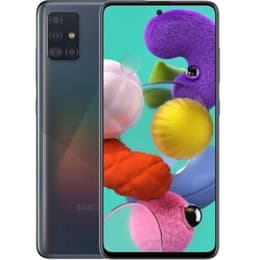
Galaxy A51
Galaxy A51
Starting at

Refurbished price:A$196.16

Versus A$592.00 new

See options
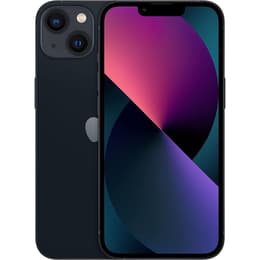
iPhone 13
iPhone 13
Starting at

Refurbished price:A$415.00

Versus A$1,099.00 new

See options

Ratings

The Samsung Galaxy A51, released in early 2020, and the Apple iPhone 13, launched in late 2021, represent different approaches to smartphone design and functionality. While the Galaxy A51 offers a larger display and a versatile camera system within the Android ecosystem, the iPhone 13 provides a more powerful processor and enhanced camera capabilities within Apple's iOS platform. These differences cater to distinct user preferences and priorities.

Scores

Durability

When considering the practical lifespan of these devices, several factors come into play, including their release timelines, software support, and physical resilience.

  • Release Timeline: The Galaxy A51 was released in January 2020, making it an older device compared to the iPhone 13, which launched in September 2021. This difference in release date inherently means the iPhone 13 has a longer potential lifespan for receiving future software updates and security patches.
  • Software Longevity: The Galaxy A51 originally ran Android 10 and received major OS updates up to Android 13, with security updates typically extending beyond that. The iPhone 13, launched with iOS 15, is compatible with the current iOS 26 and is expected to receive software support for several more years, aligning with Apple's history of extended update cycles.
  • Build and Durability: The Galaxy A51 features a plastic back and frame with a Gorilla Glass 3 front, offering a degree of protection against everyday wear. The iPhone 13 incorporates a Ceramic Shield front cover, glass back, and an aluminum frame, along with an IP68 rating for water and dust resistance, suggesting a more robust build for enhanced durability.

Release year

2019

2021

Compatible with latest Update

No

Yes

Operating system

Android

iOS

Foldable

No

No

Performance

The performance of a smartphone impacts how smoothly applications run, how quickly tasks are completed, and the overall responsiveness of the user experience.

  • Processing Power: The Galaxy A51 is equipped with a processor that handles daily tasks and moderate multitasking. However, users have noted that its performance can be on the slower side compared to some contemporaries, with apps and websites taking longer to load and some caching observed with numerous apps open. The iPhone 13 features a more advanced processor, delivering significantly faster performance for demanding applications, complex multitasking, and graphics-intensive gaming.
  • System Responsiveness: The iPhone 13 offers a highly responsive user interface, contributing to a fluid navigation experience. The Galaxy A51 provides a generally smooth experience for typical usage, though some users might notice occasional delays during heavy use or when switching between many applications.
  • Battery Behavior: The Galaxy A51 houses a 4000 mAh battery, which is generally reported to last through a full day of typical use. The iPhone 13, despite having a smaller battery capacity at 3227 mAh, is optimized for power efficiency, offering extended battery life, with up to 19 hours of video playback.

Memory (GB)

6 GB

4 GB

Screen quality

The display is a primary interface for smartphone interaction, and its quality significantly influences the viewing experience.

  • Display Technology and Size: The Galaxy A51 features a 6.5-inch Super AMOLED display, known for its vibrant colors and deep blacks. The iPhone 13 comes with a 6.1-inch Super Retina XDR OLED display, which also delivers rich colors and excellent contrast.
  • Resolution and Clarity: Both devices offer high-resolution displays. The Galaxy A51 has a 1080 x 2400 pixel resolution, providing sharp visuals. The iPhone 13 has a 1170 x 2532 pixel resolution, resulting in a slightly higher pixel density for even finer detail.
  • Brightness and Refresh Rate: The iPhone 13's display offers higher typical brightness of 800 nits and a peak brightness of 1200 nits for HDR content, making it highly visible in various lighting conditions. The Galaxy A51's display also provides good brightness for indoor and outdoor use. Both phones feature a standard 60Hz refresh rate, offering a consistent visual experience.

Resolution

1080 x 2400

1170 x 2532

Screen type

Super AMOLED

Super Retina XDR OLED

Audiovisual

Camera capabilities are a key consideration for many users, influencing the quality of photos and videos captured in various scenarios.

  • Rear Camera System: The Galaxy A51 boasts a versatile quad-camera setup, including a 48MP main sensor, a 12MP ultrawide, a 5MP macro, and a 5MP depth sensor, allowing for a range of photographic styles. The iPhone 13 features a dual 12MP camera system, comprising a main wide lens and an ultrawide lens, both with larger sensors for improved light gathering.
  • Photography Performance: The Galaxy A51 delivers solid camera performance in good lighting conditions, producing sharp images with good color reproduction. The iPhone 13 excels in various lighting situations, particularly in low light, thanks to its larger sensors and advanced computational photography features like Night mode and Smart HDR 4.
  • Video Recording: Both devices are capable of recording 4K video at 30 frames per second. The iPhone 13 further enhances video capabilities with features like Cinematic mode for shallow depth of field effects and HDR video recording with Dolby Vision up to 4K at 60 frames per second.

Main camera

48 megapixels

12 megapixels

Front camera

32 megapixels

12 megapixels

Miscellaneous

Beyond core features, several practical elements contribute to the overall user experience and device utility.

  • Connectivity and Ports: The Galaxy A51 supports 4G LTE connectivity, Wi-Fi 5, and Bluetooth 5.0, and notably includes a 3.5mm headphone jack and a USB-C port. The iPhone 13 offers advanced 5G connectivity, Wi-Fi 6, and Bluetooth 5.0, utilizing Apple's proprietary Lightning port.
  • Biometric Security: For secure access, the Galaxy A51 features an optical in-screen fingerprint sensor. The iPhone 13 relies on Face ID, Apple's facial recognition system, for secure authentication.
  • Design and Handling: The Galaxy A51 measures 158.5 x 73.6 x 7.9 mm and weighs 172 grams, offering a larger screen experience. The iPhone 13 is slightly more compact at 146.7 x 71.5 x 7.65 mm and weighs 174 grams, providing a slightly denser feel in hand.

Weight

172 oz

173 oz

Screen size (in)

6.5

6,1

Network

4G

5G

SIM card

Physical SIM

Physical SIM + eSIM

Carrier compatibility

Unlocked

Unlocked

User sentiment for the Samsung Galaxy A51 often highlights its appealing Super AMOLED display, capable camera system for everyday photos, and the inclusion of a headphone jack as strong points. Common criticisms tend to focus on its performance, which some users found to be less responsive, especially under heavier loads, and its plastic build.

The iPhone 13 is frequently praised for its powerful and efficient processor, excellent camera performance across various conditions, and its robust build quality with Ceramic Shield and water resistance. Some users, particularly those accustomed to higher refresh rates, might note the standard 60Hz display as a point of difference.

Users prioritizing a larger display, a more versatile multi-lens camera setup, and the flexibility of the Android operating system, along with a traditional headphone jack, may find the Galaxy A51 well-suited to their needs. Conversely, users who value top-tier processing power, superior low-light photography and video capabilities, extended software support, and a more durable, water-resistant design will likely lean towards the iPhone 13. Both devices are available as quality-assured refurbished options, offering a sustainable choice for consumers.


See all articles

Our recent comparisons