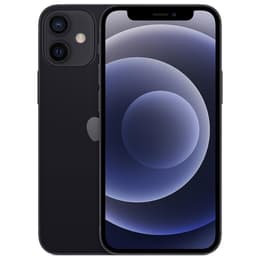

Galaxy A23 vs iPhone 12 mini

Galaxy A23
Galaxy A23
See options
iPhone 12 mini
iPhone 12 mini
Starting at

Refurbished price:A$278.00

Versus A$929.00 new

See options

Ratings

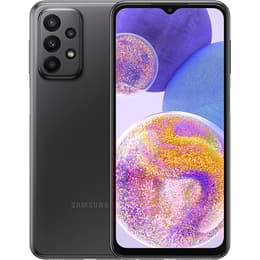
The Samsung Galaxy A23, released in March 2022, and the iPhone 12 Mini, launched in October 2020, represent distinct approaches to smartphone design and user experience. While the Galaxy A23 offers a larger display and the Android operating system, the iPhone 12 Mini provides a compact form factor and runs on Apple's iOS platform. These differences extend to their core specifications, catering to users with varied preferences for screen size, software ecosystem, and overall device handling.

Scores

Durability

When considering the longevity of these devices, several factors come into play, including their release timelines, software support, and physical durability.

  • Release Timeline: The iPhone 12 Mini was released in October 2020, making it older than the Galaxy A23, which launched in March 2022. This difference in release date impacts the remaining period of official software support each device can expect.
  • Software Longevity: Apple typically provides a longer period of iOS updates for its devices compared to Android manufacturers. The iPhone 12 Mini, having launched with iOS 14, has received several major updates and is expected to continue receiving software support for a considerable time. The Galaxy A23 launched with Android 12 and is upgradable to Android 14, with Samsung generally offering a few years of major OS updates and security patches.
  • Physical Durability: The iPhone 12 Mini features a Ceramic Shield front cover, designed for enhanced drop performance, and boasts an IP68 rating for water and dust resistance. The Galaxy A23 features Corning Gorilla Glass 5 protection on its display.

Release year

2022

2020

Compatible with latest Update

Yes

Yes

Operating system

Android

iOS

Foldable

No

No

Performance

The performance of a smartphone is crucial for daily tasks, from browsing to demanding applications. These two devices offer different performance profiles.

  • Everyday Responsiveness: The iPhone 12 Mini, powered by its advanced processor, delivers a very fluid and responsive user experience, handling demanding applications and multitasking with ease. The Galaxy A23, with its octa-core processor, provides smooth performance for general daily use, social media, and moderate multitasking.
  • Gaming and Demanding Apps: Users who frequently engage in graphically intensive gaming or run complex applications will find the iPhone 12 Mini's processing capabilities well-suited for these tasks, offering consistent frame rates and quick load times. The Galaxy A23 can handle many popular games and applications, though it may exhibit slower load times or reduced graphical settings for the most demanding titles.
  • Storage and Multitasking: The iPhone 12 Mini comes with fixed internal storage options, while the Galaxy A23 offers expandable storage via a microSD card, which can be beneficial for users who need significant space for photos, videos, and apps. Both devices offer sufficient RAM for typical multitasking, allowing users to switch between several applications without significant slowdowns.

Memory (GB)

4 GB

4 GB

Screen quality

The display is a primary interface for any smartphone, and these two models present distinct viewing experiences.

  • Display Technology and Clarity: The iPhone 12 Mini features a 5.4-inch Super Retina XDR OLED display, known for its deep blacks, high contrast, and vibrant colors, offering a sharp resolution of 2340 x 1080 pixels. The Galaxy A23 sports a larger 6.6-inch PLS LCD display with a resolution of 1080 x 2408 pixels.
  • Refresh Rate and Smoothness: The Galaxy A23 offers a 120Hz refresh rate (or 90Hz for the LTE variant), contributing to smoother scrolling and a more fluid visual experience, particularly noticeable during fast-paced content or navigation. The iPhone 12 Mini has a standard 60Hz refresh rate.
  • Brightness and Outdoor Visibility: The OLED panel on the iPhone 12 Mini generally provides excellent brightness and contrast, making it suitable for various lighting conditions, including outdoor use. The Galaxy A23's LCD panel also offers good brightness for everyday viewing.

Resolution

1080 x 2408

1080 x 2340

Screen type

PLS LCD

Super Retina XDR OLED

Audiovisual

For many users, the camera system is a key differentiator, and both devices offer capable setups for capturing moments.

  • Rear Camera System: The iPhone 12 Mini features a dual 12MP camera system, including wide and ultrawide lenses, known for producing detailed photos with accurate color reproduction and strong low-light performance. The Galaxy A23 comes with a quad-camera setup, featuring a 50MP main sensor, a 5MP ultrawide, a 2MP macro, and a 2MP depth sensor, offering versatility for different types of shots.
  • Photography Features: The iPhone 12 Mini includes features like Night Mode, Deep Fusion, and Smart HDR 3, enhancing image quality across various scenarios. The Galaxy A23's 50MP main camera often includes Optical Image Stabilization (OIS), which helps in capturing clearer photos and more stable videos.
  • Video Recording and Audio: Both devices are capable of recording high-quality video. The iPhone 12 Mini supports HDR video recording with Dolby Vision up to 4K at 30 fps, and its audio recording is generally well-regarded. The Galaxy A23 records video at 1080p at 30fps.

Main camera

50 megapixels

12 megapixels

Front camera

8 megapixels

12 megapixels

Miscellaneous

Beyond the core features, several practical elements contribute to the overall user experience and device utility.

  • Connectivity and Ports: The iPhone 12 Mini supports 5G connectivity, offering faster mobile data speeds where available, and uses a Lightning port for charging and data transfer. The Galaxy A23 typically supports 4G (with a 5G variant available) and features a USB-C port, which is a widely adopted standard, along with a 3.5mm headphone jack.
  • Biometrics and Security: The iPhone 12 Mini utilizes Face ID for secure facial recognition, while the Galaxy A23 incorporates a side-mounted fingerprint sensor for biometric authentication.
  • Size, Weight, and Handling: The iPhone 12 Mini is notably compact and lightweight, measuring 131.5 x 64.2 x 7.4 mm and weighing 135 grams, making it ideal for one-handed use and pocketability. The Galaxy A23 is a larger device at 165.4 x 76.9 x 8.4 mm and weighs 195 grams, offering a more expansive screen but requiring a two-handed grip for some users.

Weight

195 oz

133 oz

Screen size (in)

6.6

5.4

Network

4G

5G

SIM card

Dual Physical SIM

Physical SIM + eSIM

Carrier compatibility

Unlocked

Unlocked

User feedback for the Galaxy A23 often highlights its large display, long battery life, and the inclusion of a headphone jack and expandable storage as significant advantages. Some users note that while its camera system is versatile, its performance in very challenging lighting conditions might not match higher-end devices, and its processing power is suitable for everyday tasks rather than intensive gaming. The iPhone 12 Mini is frequently praised for its compact size, powerful performance, and excellent camera capabilities, especially for video recording. However, some users find its smaller screen less ideal for extensive media consumption or gaming, and its battery life, while adequate for many, may require more frequent charging for heavy users compared to larger phones.

Users prioritizing a large screen for media, extended battery life, and the flexibility of expandable storage within the Android ecosystem may find the Galaxy A23 to be a suitable choice. Conversely, those who value a highly compact device, robust performance for demanding applications, and a premium camera experience within the iOS ecosystem will likely prefer the iPhone 12 Mini. Both devices offer distinct strengths, catering to different user needs and preferences. For those considering either model, exploring quality-assured refurbished options can provide an eco-friendly alternative to new purchases.

See all articles

Our recent comparisons