
Compare models
Galaxy A34 vs Oppo Find X5 Lite
- 1-year warranty
- Free standard shipping
- Free 30-day returns
Differences at a glance
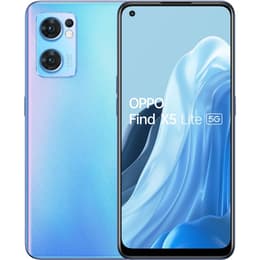
The Samsung Galaxy A34 (2023) and the Oppo Find X5 Lite (2022) are popular mid-range smartphones designed to deliver reliable everyday performance and essential features. While both devices cater to users seeking dependable mobile technology without unnecessary complexity, they differ significantly in their launch timelines, software support longevity, and display characteristics. The Samsung Galaxy A34 operates on Samsung's customized interface built over Android, whereas the Oppo Find X5 Lite runs Oppo's distinct software layer on an earlier version of the Android operating system.
Available Models
Colour
Storage (GB)
Scores
Durability
When evaluating structural longevity and software update cycles, these two smartphones follow distinct paths influenced by their respective release years and manufacturer support commitments.
- Software longevity and updates: The Galaxy A34 benefits from a later release date and a multi-year update policy, providing extended security patches and system upgrades compared to its competitor.
- Repairability and durability ratings: The Galaxy A34 features a higher dust and water resistance rating, whereas the Oppo Find X5 Lite relies on a lighter build with basic splash resistance.
- Expected practical lifespan: Both devices offer solid structural construction using durable plastics and reinforced glass fronts, though software support timelines favor the Samsung model for long-term use.
Release year
2023
2022
Compatible with latest Update
Yes
No
Operating system
Android
Android
Foldable
No
No
Performance
Underneath their exteriors, both models handle everyday tasks like web browsing, social media, and messaging smoothly, though their internal configurations and battery management approaches differ.
- Multitasking and storage capacity: The Oppo Find X5 Lite typically offers generous built-in storage paired with ample working memory, while the Galaxy A34 provides expandable storage via a memory card slot.
- Battery behavior and daily endurance: The Galaxy A34 includes a larger battery capacity designed to comfortably span a full day of mixed use, whereas the Oppo model features a smaller battery paired with exceptionally fast wired charging capabilities.
- System responsiveness: Both handsets manage daily application switching and casual gaming without noticeable lag, thanks to efficient mid-range processing hardware.
Screen quality
Display characteristics vary notably between the two devices in terms of refresh rates, sizing, and maximum brightness output during outdoor viewing.
- Display technology and fluidity: The Galaxy A34 features a slightly larger screen with a fast refresh rate that ensures smooth scrolling, while the Oppo Find X5 Lite uses a compact panel with a standard mid-range refresh rate.
- Outdoor visibility: Samsung's display achieves higher peak brightness levels in bright sunlight, making on-screen text easier to read outdoors compared to the Oppo counterpart.
- Visual clarity: Both models utilize vibrant panel technology with sharp resolutions, delivering clear image reproduction for media streaming and everyday viewing.
Resolution
1080 x 2340
1080 x 2400
Screen type
Super AMOLED
AMOLED
Audiovisual
Photography and media consumption capabilities are handled through distinct multi-lens rear setups and built-in audio hardware configurations.
- Camera system versatility: The Galaxy A34 incorporates image stabilization on its primary sensor to reduce blur in photos and videos, whereas the Oppo Find X5 Lite emphasizes high-resolution main sensor capturing and a dedicated high-pixel front-facing camera.
- Video and low-light performance: Both phones record steady clips in daylight conditions, though users capturing content in dim environments will notice differences in noise handling and detail preservation.
- Audio output quality: The Galaxy A34 is equipped with stereo speakers for media playback, while the Oppo Find X5 Lite features a single loudspeaker alongside the convenience of a traditional headphone jack.
Main camera
48 megapixels
64 megapixels
Front camera
13 megapixels
32 megapixels
Miscellaneous
Practical everyday features, physical dimensions, and connectivity options shape how each phone fits into daily routines and travel requirements.
- Physical handling and weight: The Oppo Find X5 Lite offers a noticeably lighter and slimmer profile that rests easily in smaller hands, whereas the Galaxy A34 has a slightly heavier and thicker build housing its larger power source.
- Connectivity and ports: Both devices support modern mobile networks and fast wireless standards, but the Oppo model retains a wired audio port while Samsung omits it.
- Biometric security: Each smartphone utilizes a responsive optical fingerprint reader embedded directly beneath the display screen for quick authentication.
Weight
199 oz
173 oz
Screen size (in)
6,6
6.43
Network
5G
5G
SIM card
Physical SIM
Dual Physical SIM
Carrier compatibility
Unlocked
Unlocked
What the community thinks
Community feedback from actual users highlights distinct preferences for each device based on everyday priorities. Owners of the Galaxy A34 frequently praise its dependable battery endurance, bright display, and extended software support timeline. Conversely, users of the Oppo Find X5 Lite often appreciate its lightweight ergonomics, rapid charging speeds, and inclusion of a headphone jack. Common criticisms for the Samsung model involve its slightly bulkier frame, while Oppo users occasionally note that the software version is older and lacks future major system updates.
Users prioritizing long-term software updates, outdoor screen visibility, and expandable storage may prefer the Samsung Galaxy A34. Meanwhile, users prioritizing a lighter physical build, fast battery replenishment times, and a traditional headphone jack will lean toward the Oppo Find X5 Lite. For shoppers exploring a quality-assured refurbished option as an eco-friendly alternative, both models offer practical performance without requiring the purchase of brand-new hardware. Choosing between them ultimately depends on whether daily routines benefit more from extended battery capacity or faster charging speeds.