
Galaxy A23 5G vs Galaxy A51

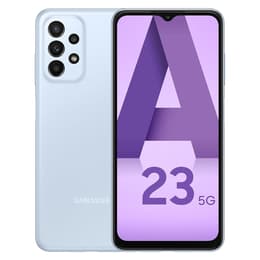
Galaxy A23 5G
Galaxy A23 5G
Starting at

Refurbished price:A$219.00

Versus A$457.00 new

See options
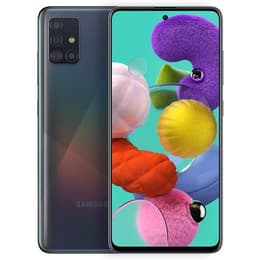
Galaxy A51
Galaxy A51
Starting at

Refurbished price:A$196.16

Versus A$592.00 new

See options

Ratings

The Samsung Galaxy A23 5G, released in August 2022, and the Samsung Galaxy A51, launched in December 2019, represent different generations within Samsung's popular A-series smartphone lineup. While both aim to deliver a balanced smartphone experience, the A23 5G benefits from newer technology, offering 5G connectivity and an improved display, whereas the A51 introduced an AMOLED screen and a versatile camera system for its time. Both devices run on the Android operating system, with the A23 5G starting on a more recent version and thus having a longer expected software support window.

Scores

Durability

When considering the longevity of these devices, their release timelines and subsequent software support are key factors.

  • Release Timeline: The Galaxy A51 was released in December 2019, making it a significantly older device compared to the Galaxy A23 5G, which launched in August 2022. This age difference directly impacts the remaining period of official software and security updates.
  • OS Support Duration: The Galaxy A51 launched with Android 10 and received updates up to Android 13. Samsung typically provides three major OS updates for its A-series phones. The Galaxy A23 5G, launching with Android 12, is expected to receive updates up to Android 15, offering a longer period of current software features and security patches.
  • Repairability: Both devices feature plastic backs and frames, which can offer some resilience against drops compared to glass. User teardowns suggest a similar level of repairability for both, with components generally accessible, though adhesive use is prevalent. The plastic construction of both models contributes to a less shatter-prone design.

Release year

2022

2019

Compatible with latest Update

Yes

No

Operating system

Android

Android

Foldable

No

No

Performance

The performance of a smartphone is largely determined by its internal components, affecting daily responsiveness and handling of demanding applications.

  • Storage Options: Both the Galaxy A23 5G and Galaxy A51 offer internal storage options typically starting at 64GB or 128GB, with the ability to expand storage further using a microSD card. The A23 5G supports microSD cards up to 1TB, while the A51 supports up to 512GB.
  • Battery Behavior: The Galaxy A23 5G is equipped with a larger 5000 mAh battery, providing extended usage times for streaming, sharing, and gaming. The Galaxy A51 features a 4000 mAh battery, which for its time offered sufficient power for a full day of moderate use, though heavy users might find themselves charging more frequently.
  • Overall System Responsiveness: The Galaxy A23 5G features a more modern processor, which translates to smoother operation, faster app loading, and more efficient multitasking, especially with current applications and games. The Galaxy A51's processor, while capable for everyday tasks and light gaming, may show signs of slower performance when handling more intensive applications or numerous apps simultaneously due to its older architecture.

Memory (GB)

4 GB

6 GB

Screen quality

The display is a primary interface for smartphone interaction, and both models offer distinct viewing experiences.

  • Display Technology: The Galaxy A51 features a 6.5-inch Super AMOLED Infinity-O display, known for its vibrant colors, deep blacks, and excellent contrast. The Galaxy A23 5G utilizes a 6.6-inch PLS LCD Infinity-V display. While LCD technology provides good color reproduction, it typically does not achieve the same level of contrast or true blacks as AMOLED panels.
  • Resolution and Clarity: Both devices offer a Full HD+ resolution (1080 x 2400 pixels for A51, 1080 x 2408 pixels for A23 5G), ensuring sharp text and clear images for typical viewing distances.
  • Refresh Rate and Smoothness: A significant difference lies in the refresh rate. The Galaxy A23 5G boasts a 120Hz refresh rate, which provides a noticeably smoother scrolling experience and more fluid animations compared to the Galaxy A51's standard 60Hz refresh rate. This higher refresh rate can enhance the perception of responsiveness during general use and gaming.

Resolution

1080 x 2408

1080 x 2400

Screen type

PLS LCD

Super AMOLED

Audiovisual

Camera capabilities are a key consideration for many users, and both phones offer versatile multi-lens setups.

  • Camera System Capabilities: The Galaxy A23 5G features a quad-camera setup with a 50MP main sensor that includes Optical Image Stabilization (OIS), a 5MP ultrawide, 2MP macro, and 2MP depth sensor. The Galaxy A51 also has a quad-camera system, comprising a 48MP main sensor, a 12MP ultrawide, a 5MP macro, and a 5MP depth sensor. The A51's ultrawide camera offers a wider field of view and higher resolution.
  • Low-light and Everyday Photography: The A23 5G's OIS on its main camera can lead to clearer photos in challenging lighting conditions and more stable video recording by compensating for minor hand movements. The A51's main camera performs well in good lighting, but without OIS, it may struggle more in low-light scenarios.
  • Video Recording Quality: Both devices are capable of recording video up to 4K at 30 frames per second (fps) on their main rear cameras, though the A23 5G's OIS can provide a more stable video output.
  • Front Camera: The Galaxy A51 has a 32MP front-facing camera, offering high-resolution selfies, while the Galaxy A23 5G features an 8MP front camera.

Main camera

50 megapixels

48 megapixels

Front camera

8 megapixels

32 megapixels

Miscellaneous

Beyond core features, several practical elements contribute to the overall user experience.

  • Connectivity Options: A major distinction is 5G connectivity. The Galaxy A23 5G supports 5G networks, offering faster download and upload speeds where available. The Galaxy A51 is limited to 4G LTE connectivity. Both support Wi-Fi 5 and Bluetooth 5.0 or 5.1.
  • Port Types: Both smartphones include a USB-C port for charging and data transfer, and notably, both retain a 3.5mm headphone jack, which is convenient for users with wired audio accessories.
  • Useful Sensors: The Galaxy A23 5G features a side-mounted fingerprint sensor integrated into the power button for secure unlocking. The Galaxy A51 utilizes an optical in-display fingerprint sensor.
  • Weight and Dimensions: The Galaxy A23 5G is slightly larger and heavier at 165.4 x 76.9 x 8.4mm and 197g. The Galaxy A51 measures 158.5 x 73.6 x 7.9mm and weighs 172g, making it a bit more compact and lighter.

Weight

197 oz

172 oz

Screen size (in)

6.6

6.5

Network

5G

4G

SIM card

Physical SIM

Physical SIM

Carrier compatibility

Unlocked

Unlocked

The Samsung Galaxy A23 5G and Galaxy A51 cater to slightly different user priorities, largely due to their generational gap. Users often praise the Galaxy A51 for its vibrant Super AMOLED display and its capable camera system for everyday use, particularly its ultrawide lens and high-resolution front camera. However, common criticisms for the A51 include its 60Hz refresh rate and its 4G-only connectivity, which can feel dated in current network environments.

The Galaxy A23 5G, being a newer model, is frequently lauded for its 5G capabilities, larger battery, and the smoother visual experience provided by its 120Hz display. Its main camera with OIS is also a significant advantage for photography and video stability. Some users might note that its LCD display, while good, doesn't offer the same deep blacks as an AMOLED panel, and its front camera resolution is lower than the A51's.

Users prioritizing future-proofing with 5G connectivity, a smoother screen experience, and longer battery life will find the Galaxy A23 5G well-suited to their needs. Conversely, those who value a more compact design, a superior AMOLED display for media consumption, and a higher-resolution ultrawide and front camera might lean towards the Galaxy A51, especially if 5G is not a critical requirement. Both devices offer a practical and reliable Android experience, and choosing a quality-assured refurbished option for either model can be an eco-friendly alternative for consumers.
See all articles

Our recent comparisons