

Smartphones
Compare models
Differences at a glance
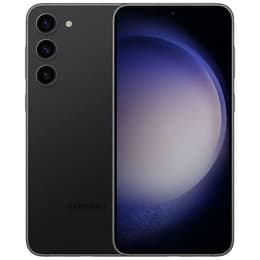
The Samsung Galaxy S23 Plus, released in early 2023, and the Google Pixel 8a, launched in mid-2024, represent distinct approaches to the modern smartphone experience. While both operate on the Android platform, they offer different user interfaces and prioritize varying aspects of performance and features. The Galaxy S23 Plus focuses on a robust hardware suite and a versatile camera system, whereas the Pixel 8a emphasizes advanced computational photography, artificial intelligence capabilities, and extended software support.
Colour
Storage
When considering the longevity of these devices, several factors come into play, including their release timelines, software support, and repairability.
Release year
Compatible with latest Update
Operating system
Foldable
Both smartphones deliver capable performance for daily tasks, but they achieve this through different hardware configurations and optimizations.
The visual experience on both devices is delivered through high-quality displays, though with some distinctions in size and characteristics.
Resolution
Screen type
Both smartphones offer advanced camera systems, but they approach photography with different strengths, catering to distinct user preferences.
Main camera
Front camera
Beyond core performance and camera capabilities, several practical elements differentiate these two smartphones in daily use.
Weight
Screen size (in)
Network
SIM card
Carrier compatibility
User feedback often highlights the Galaxy S23 Plus for its robust, flagship-level performance and premium build quality, making it a strong contender for users who prioritize raw power and a polished hardware experience. Its versatile camera system, including a dedicated telephoto lens, is frequently praised for its flexibility in various photographic situations. Some users might note that while it offers significant power, its design and core features were an evolution rather than a revolution from its predecessor.
The Google Pixel 8a, on the other hand, garners appreciation for its exceptional computational photography, delivering impressive image quality even with its dual-camera setup. Its long-term software support and integration of advanced AI features are significant advantages for users who value a smart, evolving software experience and a clean Android interface. Common observations include its slightly thicker bezels and the use of a plastic back, which some users might perceive as less premium compared to glass-backed flagships, though its matte finish is often seen as a practical benefit for grip and fingerprint resistance.
Users prioritizing a powerful, premium-feeling device with a dedicated telephoto camera and slightly superior water resistance may find the Galaxy S23 Plus well-suited to their needs. Conversely, users who place a higher value on cutting-edge computational photography, a clean Android experience with extensive AI capabilities, and a longer period of software updates will likely lean towards the Google Pixel 8a. Both devices offer compelling features, and considering a quality-assured refurbished option for either model can be an eco-friendly alternative for consumers.