
Galaxy A15 5G vs iPhone 12 mini

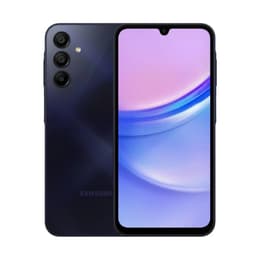
Galaxy A15 5G
Galaxy A15 5G
Starting at

Refurbished price:A$257.00

Versus A$329.00 new

See options
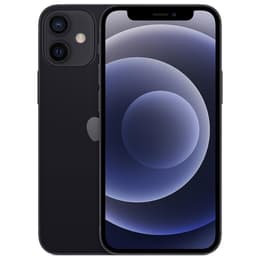
iPhone 12 mini
iPhone 12 mini
Starting at

Refurbished price:A$278.00

Versus A$929.00 new

See options

Ratings

The Samsung Galaxy A15 5G, released in late 2023 and early 2024, and the Apple iPhone 12 Mini, launched in late 2020, represent distinct approaches to smartphone design and functionality. While the Galaxy A15 5G offers a larger display and a comprehensive Android experience, the iPhone 12 Mini provides a compact iOS experience with a focus on premium materials and a powerful internal system. These devices cater to different user preferences, particularly concerning screen size, operating system ecosystem, and overall form factor.

Scores

Durability

The longevity of a smartphone is influenced by its release timeline, software support, and physical durability.

  • Release Timeline: The iPhone 12 Mini was released in November 2020, making it over five years old as of early 2026. The Galaxy A15 5G, released in late 2023 and early 2024, is a much newer device.
  • Software Longevity: The iPhone 12 Mini shipped with iOS 14 and has received updates through iOS 18, with compatibility expected for iOS 26 in 2025, indicating a long software support cycle from Apple. The Galaxy A15 5G launched with Android 14 and is promised four major OS upgrades and five years of security updates, extending its support until approximately 2028 for OS and 2029 for security.
  • Physical Durability: The iPhone 12 Mini features a Ceramic Shield front cover, which Apple states offers enhanced drop performance, and an IP68 rating for water and dust resistance. The Galaxy A15 5G has a plastic build and does not carry an official IP rating for water and dust resistance. Both devices have a repairability score of 6 out of 10 from iFixit for the iPhone 12 Mini, noting modular components but challenges with the glass back.

Release year

2023

2020

Operating system

Android

iOS

Foldable

No

No

Performance

Performance aspects such as processing power, system responsiveness, and battery behavior differ between these two smartphones.

  • Processing Capabilities: The iPhone 12 Mini is equipped with a powerful internal system that handles demanding applications and multitasking smoothly, providing a responsive user experience. The Galaxy A15 5G's processor is designed for everyday tasks and general use, though some users have reported occasional lag during heavy multitasking or demanding applications.
  • Multitasking and Storage: The iPhone 12 Mini typically comes with 4GB of RAM and offers storage options up to 256GB. The Galaxy A15 5G offers more flexible RAM configurations, including 4GB, 6GB, and 8GB options, with storage up to 256GB, which is expandable via a microSD card.
  • Battery Behavior: The Galaxy A15 5G features a larger 5000mAh battery, which generally provides extended usage, often lasting a full day or more for many users. The iPhone 12 Mini has a smaller 2227mAh battery, and user reviews frequently note that its battery life can be a limitation for heavy users, often requiring more frequent charging.

Memory (GB)

8 GB

4 GB

Screen quality

The visual experience on a smartphone is largely defined by its display technology, resolution, and brightness.

  • Display Technology: Both devices feature OLED display technology, offering deep blacks and vibrant colors. The iPhone 12 Mini uses a Super Retina XDR OLED display. The Galaxy A15 5G utilizes a Super AMOLED display.
  • Resolution and Clarity: The iPhone 12 Mini has a 5.4-inch display with a resolution of 2340x1080 pixels, resulting in a high pixel density of 476 ppi, which provides sharp and detailed visuals. The Galaxy A15 5G features a larger 6.5-inch display with a 1080x2340 (FHD+) resolution, offering clear visuals across its larger screen.
  • Brightness and Refresh Rate: The iPhone 12 Mini offers a typical brightness of 625 nits and a peak HDR brightness of 1200 nits, with a standard 60Hz refresh rate. The Galaxy A15 5G provides up to 800 nits of brightness in High Brightness Mode (HBM) and features a smoother 90Hz refresh rate, which can enhance scrolling and animations.

Resolution

1080x2340

1080 x 2340

Audiovisual

The camera systems on these devices offer different capabilities for capturing photos and videos.

  • Rear Camera System: The iPhone 12 Mini features a dual 12MP camera system, including a wide-angle lens with optical image stabilization (OIS) and an ultra-wide-angle lens. The Galaxy A15 5G comes with a triple-camera setup, consisting of a 50MP main sensor, a 5MP ultrawide, and a 2MP macro lens, though its main sensor lacks OIS.
  • Photography Performance: The iPhone 12 Mini is noted for its strong performance in various lighting conditions, including an effective Night Mode available across all cameras, and good detail and dynamic range. The Galaxy A15 5G's 50MP main camera can produce detailed images in good lighting, with colors that are sometimes slightly oversaturated. Its ultrawide and macro lenses offer additional versatility.
  • Video Recording and Audio: The iPhone 12 Mini supports HDR video recording with Dolby Vision up to 4K at 30fps and 4K at 60fps without Dolby Vision, along with cinematic video stabilization. The Galaxy A15 5G records video at FHD (1080p) at 30fps. For audio, the iPhone 12 Mini provides stereo sound recording. The Galaxy A15 5G typically features a single bottom-firing speaker.

Miscellaneous

Beyond core performance and display, several practical features contribute to the overall user experience.

  • Connectivity and Ports: Both devices support 5G cellular communication. The iPhone 12 Mini uses a Lightning port for charging and data transfer, and supports MagSafe for wireless charging and accessories. The Galaxy A15 5G features a USB Type-C port and includes a 3.5mm headphone jack, which is absent on the iPhone.
  • Biometric Security: The iPhone 12 Mini relies on Face ID for secure facial recognition. The Galaxy A15 5G incorporates a side-mounted fingerprint sensor for biometric authentication.
  • Dimensions and Handling: The iPhone 12 Mini is significantly smaller and lighter, measuring 131.5 x 64.2 x 7.4mm and weighing around 133-135g, making it highly pocketable and suitable for one-handed use. The Galaxy A15 5G is a larger device at 160.10 x 76.80 x 8.40mm and 200g, offering a more expansive screen but requiring a different handling approach.

Weight

200 oz

133 oz

Screen size (in)

6.5

5.4

Network

5G

5G

SIM card

Physical SIM

Physical SIM + eSIM

Carrier compatibility

Unlocked

Unlocked

User feedback for the iPhone 12 Mini frequently highlights its compact size and premium build as major advantages, appealing to those who prefer a smaller device that doesn't compromise on core features. Users praise its vibrant OLED display and capable camera system, especially for its size. However, a common criticism revolves around its battery life, which many find insufficient for extended heavy use.

For the Samsung Galaxy A15 5G, users often commend its impressive battery longevity and the quality of its Super AMOLED display, particularly given its market segment. The camera system is generally considered good for everyday photography, and the extended software support is a significant positive. Conversely, some users have noted that its performance can occasionally feel sluggish during demanding tasks, and its plastic build lacks the premium feel of higher-end devices.

Users prioritizing a highly compact device with a premium feel, strong camera performance, and a long-term commitment to software updates may find the iPhone 12 Mini well-suited to their needs, provided they are mindful of its battery capacity. Conversely, individuals seeking a larger display, exceptional battery life, expandable storage, and extensive software support within the Android ecosystem might lean towards the Galaxy A15 5G, accepting its more modest performance and build materials. Both devices offer compelling features for different user profiles, and considering a quality-assured refurbished option can be a sustainable choice for either model.

See all articles

Our recent comparisons