
Galaxy Z Fold4 vs Galaxy Z Fold6

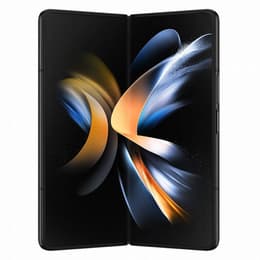
Galaxy Z Fold4
Galaxy Z Fold4
Starting at

Refurbished price:A$734.00

Versus A$3,628.00 new

See options
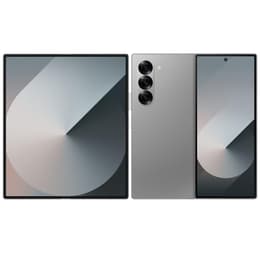
Galaxy Z Fold6
Galaxy Z Fold6
Starting at

Refurbished price:A$1,088.24

Versus A$2,749.00 new

See options

Ratings

The Samsung Galaxy Z Fold4, released in August 2022, and the Samsung Galaxy Z Fold6, launched in July 2024, represent two generations of Samsung's innovative foldable smartphone line. Both devices offer a unique design that transforms a traditional smartphone into a larger, tablet-like display, running on the Android operating system with Samsung's One UI overlay. The Z Fold6 introduces refinements in design, enhanced durability, and updated internal components, building upon the foundation established by its predecessor.

Scores

Durability

When considering the longevity of these foldable devices, several factors come into play, including software support and physical resilience. The Z Fold6 offers a significantly extended support period compared to the Z Fold4.

  • Software Support: The Galaxy Z Fold4 was launched with Android 12L and was promised four major Android OS updates, extending its support up to Android 16, along with five years of security updates until 2027. In contrast, the newer Galaxy Z Fold6 ships with Android 14 and benefits from an extended commitment of seven years of Android OS upgrades and seven years of security updates, offering a longer period of official support until 2031.
  • Physical Durability: The Galaxy Z Fold4 features an Armor Aluminum frame and IPX8 water resistance, meaning it can withstand submersion in water but lacks official dust resistance. User reports for the Z Fold4 have sometimes indicated concerns regarding the inner screen and hinge over extended use, with issues like screen delamination or hinge malfunctions appearing around 17 months of use. The Galaxy Z Fold6 maintains the Armor Aluminum frame but improves upon its predecessor with an IP48 rating, adding a degree of dust resistance alongside water resistance. Its hinge is rated for 200,000 folds, suggesting a robust design for daily use, and early reports indicate a significant drop in micro crack rates and screen protector peeling compared to earlier Fold models.
  • Practical Lifespan: Users of the Z Fold4 have reported varying experiences, with some encountering issues with the inner screen protector peeling or hinge malfunctions after about a year or two. The Z Fold6, being a newer model, incorporates design and material enhancements aimed at improving long-term reliability, with early user feedback suggesting a solid build and improved resistance to dust and hinge-related problems.

Release year

2022

2024

Compatible with latest Update

Yes

Yes

Operating system

Android

Android

Foldable

Yes

Yes

Performance

Both devices are equipped with capable hardware for daily tasks, but the Z Fold6 benefits from more recent advancements in processing power and storage technology.

  • Processor Capabilities: The Galaxy Z Fold4 is powered by a processor that handles demanding applications and multitasking smoothly, providing a responsive user experience for most tasks. The Galaxy Z Fold6 features a newer generation processor specifically tuned for Galaxy devices, offering enhanced performance for intensive applications, advanced AI features, and more efficient power management.
  • Multitasking and Responsiveness: Both devices come with 12GB of RAM, allowing for effective multitasking with multiple applications open simultaneously on their large internal displays. The Z Fold6 benefits from faster internal storage technology (UFS 4.0), which can contribute to quicker app loading times and overall system responsiveness compared to the Z Fold4's UFS 3.1 storage.
  • Battery Behavior: Both the Galaxy Z Fold4 and Z Fold6 are equipped with a 4400mAh battery. While the capacity is the same, the Z Fold6's more efficient processor and software optimizations may lead to slightly improved battery endurance in typical use cases. Some Z Fold6 users have reported initial battery drain issues, which can often be resolved as the device learns usage patterns and through software updates.

Memory (GB)

12 GB

12 GB

Screen quality

Both foldable phones offer impressive display technology, but the Z Fold6 brings notable improvements in brightness and cover screen usability.

  • Display Technology and Clarity: Both the Galaxy Z Fold4 and Z Fold6 feature a 7.6-inch foldable Dynamic AMOLED 2X main display and an external cover screen. These displays provide vibrant colors and deep blacks, with a 120Hz adaptive refresh rate for smooth scrolling and responsiveness. The Z Fold6's inner display also features proper corners, a subtle design refinement.
  • Brightness and Outdoor Visibility: The Galaxy Z Fold4's main display can reach a peak brightness of up to 1200 nits. The Galaxy Z Fold6 significantly improves upon this, with both its main and cover screens capable of reaching up to 2600 nits of peak brightness, offering superior visibility in bright outdoor conditions.
  • Screen Size and Aspect Ratio: The Z Fold4 has a 6.2-inch cover screen with thicker bezels and a narrower aspect ratio. The Z Fold6 features a slightly larger 6.3-inch cover display with thinner bezels and a wider, more traditional aspect ratio, making it more comfortable for one-handed typing and general use when folded.

Resolution

1812 x 2176

1856 x 2160

Screen type

Foldable Dynamic AMOLED 2X

Foldable Dynamic LTPO AMOLED 2X

Audiovisual

While both devices offer versatile camera systems, the Z Fold6 provides minor refinements in image processing, though the core hardware remains largely consistent.

  • Camera System Capabilities: Both the Galaxy Z Fold4 and Z Fold6 feature a triple rear camera system, typically consisting of a 50-megapixel wide-angle main lens, a 12-megapixel ultra-wide lens, and a 10-megapixel telephoto lens with 3x optical zoom. They also include a 10-megapixel selfie camera on the cover screen and a 4-megapixel under-display camera on the main foldable screen.
  • Photography Performance: The main cameras of both devices are comparable, delivering good results in well-lit conditions. The Z Fold6 may offer slight improvements in color processing and detail capture due to software optimizations and the newer processor. However, user sentiment suggests that neither device's camera system matches the performance of Samsung's dedicated flagship slab phones, particularly in low-light scenarios or for advanced photography needs.
  • Video Recording Quality: Both models support high-resolution video recording, offering features suitable for capturing everyday moments. Microphone quality for calls and recording is generally clear on both devices. Speaker output provides a decent media consumption experience, leveraging the large internal display.

Main camera

50 megapixels

50 megapixels

Front camera

4 megapixels

4 megapixels

Miscellaneous

Beyond core specifications, several practical elements differentiate the user experience between these two foldable smartphones.

  • Connectivity Options: Both the Galaxy Z Fold4 and Z Fold6 support 5G connectivity, ensuring fast mobile data speeds. They also feature modern Wi-Fi standards and Bluetooth for wireless connections to accessories.
  • Port Types and Sensors: Both devices utilize a USB-C port for charging and data transfer. Neither includes a traditional headphone jack. For security and convenience, both incorporate fingerprint sensors and face recognition. Both support S Pen input on their main foldable displays, though the S Pen is sold separately and does not have an integrated storage slot.
  • Weight and Dimensions: The Galaxy Z Fold4 weighs 263 grams and has dimensions of 155.1mm H x 67.1mm W x 14.2-15.8mm D when folded. The Galaxy Z Fold6 is noticeably lighter at 239 grams and features a slimmer profile when folded (153.5mm H x 68.1mm W x 12.1mm D). This reduction in weight and thickness, combined with a wider cover screen, makes the Z Fold6 feel more balanced and comfortable to hold and use in its folded state.

Weight

263 oz

239 oz

Screen size (in)

7.6

7.6

Network

5G

5G

SIM card

Physical SIM + eSIM

Dual Physical SIM + eSIM

Carrier compatibility

Unlocked

Unlocked

User feedback for the Galaxy Z Fold4 often praises its innovative large inner display for productivity and media consumption, highlighting its ability to serve as both a phone and a tablet. Common criticisms included its weight, the noticeable crease on the inner screen, and concerns about long-term durability of the hinge and inner display, with some users reporting screen delamination or hinge issues after extended use.

For the Galaxy Z Fold6, initial user sentiment generally appreciates the refined design, lighter build, and the more usable, wider cover screen. The extended software support and improved dust resistance are also seen as significant advantages. However, some users have noted that the camera hardware remains largely unchanged from previous generations, and the crease, while potentially improved, is still visible. Initial reports also mention occasional software glitches like notification delays or early battery drain, which are often addressed with updates.

Users prioritizing long-term software support, enhanced physical durability, and a more comfortable, wider cover screen for one-handed use may find the Galaxy Z Fold6 better suited to their needs. Its newer processor also offers a performance edge for demanding applications and future-proofing. Conversely, users who are content with the Z Fold4's existing form factor and performance, and do not require the absolute latest in software longevity or dust resistance, may find it still meets their requirements. Both devices offer the unique foldable experience, and choosing a quality-assured refurbished option for either model can be a sustainable choice for accessing this technology.

See all articles

Our recent comparisons