Compare models
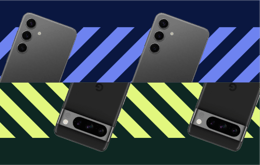
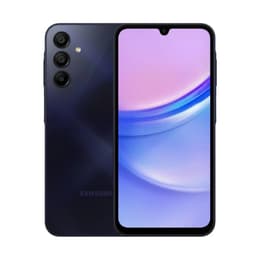
Galaxy A15 5G vs Google Pixel 9a
- 1-year warranty
- Free standard shipping
- Free 30-day returns
Differences at a glance
The Samsung Galaxy A15 5G (2023) and the Google Pixel 9a (2025) represent two different approaches to the everyday smartphone market, balancing core capabilities with distinct software ecosystems. While the Galaxy A15 5G focuses on providing essential features through the Android operating system at a foundational level, the Google Pixel 9a introduces current-generation processing power and advanced system intelligence. Choosing between these two devices depends on how users weigh long-term software support against everyday usability.
Available Models
Colour
Storage
Scores
Durability
When evaluating the lifespan and software support of these two devices, distinct differences emerge regarding update timelines and hardware longevity.
- Software support duration: The Google Pixel 9a benefits from an extended multi-year update commitment, while the Galaxy A15 5G receives a shorter cycle of security and system updates.
- Repairability and build: Both smartphones feature modern builds designed for standard daily wear, though repair infrastructure varies depending on local service availability for each brand.
- Expected practical lifespan: Users seeking an enduring device for long-term daily tasks will find the Pixel's extended software window advantageous, whereas the Galaxy model suits shorter upgrade cycles well.
Release year
2023
2025
Operating system
Android
Android
Foldable
No
No
Performance
Daily operation and multitasking behavior differ noticeably based on the internal hardware configurations housed within each phone.
- App loading and responsiveness: The Google Pixel 9a handles demanding applications and rapid multitasking smoothly, while the Galaxy A15 5G manages standard everyday tasks like web browsing and messaging reliably.
- Storage and memory handling: Both devices offer configurations suitable for holding standard media libraries, with the Pixel providing more headroom for heavy background processes and modern apps.
- Battery behavior: Each smartphone comfortably reaches the end of a typical day under moderate use, though intensive tasks drain the battery faster on the entry-level processing hardware of the Galaxy.
Screen quality
Viewing experiences vary due to differences in panel technology, peak brightness, and refresh rate implementation.
- Display technology: Both models utilize vibrant OLED panels that deliver deep blacks and high contrast, making text sharp and media consumption engaging.
- Brightness and outdoor visibility: The Google Pixel 9a achieves higher peak brightness levels for clear outdoor readability under direct sunlight, while the Galaxy A15 5G performs adequately in standard lighting conditions.
- Refresh rate and smoothness: Both screens support fluid scrolling and interface navigation, though higher refresh rate consistency on the Pixel provides extra visual smoothness during rapid movement.
Resolution
1080x2340
1080x2424
Audiovisual
Media capture and audio-visual output capabilities cater to different user priorities across both models.
- Photography performance: The Google Pixel 9a excels in low-light photography and computational image processing, whereas the Galaxy A15 5G captures dependable everyday photos in standard lighting conditions.
- Video and audio output: Video recording on the Pixel offers stabilization and clarity for casual recording, while both devices deliver clear call audio through built-in microphones and speakers.
- Media consumption: Built-in speaker setups on both phones provide adequate sound output for podcasts and casual video watching without requiring external headphones.
Miscellaneous
Practical physical design elements and connectivity features define how each device handles day-to-day handling and accessories.
- Connectivity and ports: Both models support 5G networks and modern wireless standards, utilizing standard USB-C ports for charging and data transfer.
- Security sensors: The Google Pixel 9a features an under-display fingerprint reader and facial recognition, while the Galaxy A15 5G incorporates a side-mounted fingerprint scanner integrated into the power button.
- Handling and materials: Ergonomic dimensions and durable plastic or glass composite backs ensure both devices sit comfortably in the hand during extended use. Choosing a quality-assured refurbished option for either model provides an eco-friendly alternative that reduces electronic waste.
Weight
200 oz
186 oz
Screen size (in)
6.5
6.3
Network
5G
5G
SIM card
Physical SIM
Physical SIM + eSIM
Carrier compatibility
Unlocked
Unlocked
What the community thinks
Actual user feedback highlights distinct preferences for each device based on everyday requirements. Owners of the Samsung Galaxy A15 5G frequently praise its reliable daily performance for basic messaging, media streaming, and calling, though some note limitations when running heavy applications. Users of the Google Pixel 9a often highlight the high quality of low-light photography and the fluid system responsiveness, while occasional discussions focus on the desire for larger base storage options.
Users prioritizing advanced photography and extended software support will find the Google Pixel 9a well-suited to their needs. Conversely, users seeking a straightforward, reliable device for basic everyday communication may lean toward the Galaxy A15 5G. Opting for a quality-assured refurbished version of either smartphone offers a sustainable choice that extends device lifecycles. Reviewing these practical differences helps match each phone to individual usage habits without relying on promotional claims.