Smartphones
Compare models
Differences at a glance
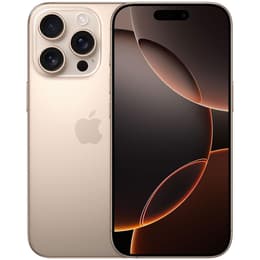
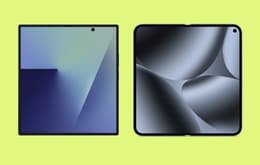
The Google Pixel 9a (2025) and the iPhone 16 Pro (2024) represent different approaches to modern smartphone design, targeting distinct user preferences across the Android and iOS ecosystems. While the Google Pixel 9a focuses on accessible daily utility and streamlined software, the iPhone 16 Pro prioritizes high-end materials, advanced imaging capabilities, and deep processing headroom. Operating on distinct software platforms with unique interface paradigms, these devices offer diverse everyday experiences for users navigating different digital ecosystems.
Colour
Storage
When evaluating the long-term viability of these devices, both manufacturers provide robust software support timelines and durable construction standards that ensure multi-year reliability.
Release year
Foldable
Performance capabilities vary significantly based on internal hardware design, directly influencing how each device manages intensive tasks, memory allocation, and energy consumption.
Display technology shapes the primary viewing experience, affecting everything from media consumption to outdoor legibility under direct sunlight.
Resolution
Screen type
Imaging and audio hardware dictate how each device captures memories and reproduces sound during media playback or communication.
Physical dimensions and connectivity features define how comfortably each device integrates into everyday travel, work, and communication routines.
Weight
Screen size (in)
Network
SIM card
Carrier compatibility
User feedback from online communities highlights distinct praise points for each smartphone. Owners of the Google Pixel 9a frequently commend its straightforward user interface, reliable daily camera performance, and comfortable ergonomics. Conversely, users of the iPhone 16 Pro often praise its premium material construction, advanced video recording tools, and high-end gaming capabilities. Common criticisms for the Google Pixel 9a occasionally mention limitations in optical zoom reach, while iPhone 16 Pro discussions sometimes note the heavier weight and premium positioning.
Users prioritizing a lightweight build, clean software experience, and straightforward daily utility will find the Google Pixel 9a well-suited to their needs. Meanwhile, users prioritizing advanced video production tools, telephoto versatility, and robust processing headroom may lean toward the iPhone 16 Pro. Opting for a quality-assured refurbished version of either model serves as an eco-friendly alternative that reduces electronic waste while delivering fully functional technology. Ultimately, the choice depends on personal ecosystem preferences and specific daily task priorities rather than an objective superiority of one device over the other.