

Compare models
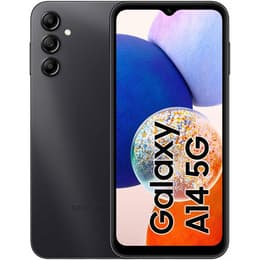
Galaxy A14 5G vs Google Pixel 9a
- 1-year warranty
- Free standard shipping
- Free 30-day returns
Differences at a glance
The Samsung Galaxy A14 5G (2023) and the Google Pixel 9a (2025) are popular choices for users seeking reliable everyday connectivity without investing in high-end flagship devices. While both smartphones run on the Android operating system, they represent different generations and target distinct user priorities through their hardware approaches. The primary differentiators lie in their processing capabilities, display technology, and software longevity, making each device suited to very different daily requirements.
Available Models
Colour
Storage (GB)
Scores
Durability
Evaluating software support schedules and hardware resilience helps determine how long each smartphone will remain practical for daily tasks over the years.
- Software Support Window: The Google Pixel 9a benefits from an extended long-term update commitment spanning seven years of operating system and security patches, whereas the Galaxy A14 5G follows a shorter update timeline typical of its release period.
- Build and Repairability: The Google Pixel 9a features robust dust and water resistance ratings, while the Galaxy A14 5G incorporates traditional plastic build materials with expandable storage options via a microSD card slot.
- Expected Lifespan: Users seeking extended software relevance will find the Pixel 9a's longevity advantageous, while the Galaxy A14 5G serves as a straightforward option for shorter deployment cycles.
Release year
2023
2025
Operating system
Android
Android
Foldable
No
No
Performance
Daily responsiveness and multitasking capabilities vary significantly based on internal hardware allocations and system optimization in each model.
- Multitasking and App Loading: The Google Pixel 9a handles demanding applications, heavy multitasking, and modern software tools smoothly with its current-generation processor and higher RAM allocation, whereas the Galaxy A14 5G manages basic web browsing, messaging, and lighter apps with adequate speed.
- Battery Behavior: Both devices include large battery capacities designed to navigate a full day of standard use, though efficiency improvements in newer internal components allow the Pixel 9a to manage power more effectively during intensive tasks.
- Storage Configurations: The Galaxy A14 5G offers the flexibility of expandable storage via memory cards, while the Pixel 9a relies on fixed internal storage tiers paired with cloud services.
Screen quality
Visual clarity, panel responsiveness, and outdoor legibility differ notably due to the contrasting display technologies utilized by each manufacturer.
- Display Technology: The Google Pixel 9a features an OLED panel that delivers deep blacks, vivid contrast, and a smooth 120Hz refresh rate, while the Galaxy A14 5G utilizes a standard LCD screen with a 90Hz refresh rate.
- Outdoor Brightness: The Pixel 9a reaches higher peak brightness levels, ensuring clearer visibility under direct sunlight compared to the more modest illumination of the Galaxy A14 5G display.
- Viewing Experience: Scrolling through web pages and navigating menus appears noticeably smoother on the Pixel 9a due to its higher refresh rate, whereas the Galaxy A14 5G provides a functional viewing area suitable for basic media consumption.
Resolution
1080 x 2408
1080x2424
Screen type
PLS LCD
P-OLED
Audiovisual
Photography and media recording capabilities reflect the generational gap and distinct sensor technology integrated into each smartphone.
- Main Camera Output: The Google Pixel 9a captures detailed everyday and low-light photographs using advanced computational photography software, while the Galaxy A14 5G relies on a standard multi-lens setup suited for casual daylight snapshots.
- Video Recording: Video capture on the Pixel 9a benefits from advanced stabilization features and higher resolution options, whereas the Galaxy A14 5G records stable standard-definition video clips for casual sharing.
- Audio and Media Output: Media consumption on the Pixel 9a is enhanced by clearer stereo speaker output, while the Galaxy A14 5G retains a traditional physical headphone jack for wired audio connections.
Miscellaneous
Physical design traits, connectivity standards, and daily ergonomics define how comfortably each device fits into regular routines.
- Connectivity Standards: Both devices support 5G connectivity, though the Pixel 9a includes updated Wi-Fi standards and modern Bluetooth versions for faster peripheral pairing.
- Biometric Security: The Pixel 9a uses an in-display fingerprint sensor, whereas the Galaxy A14 5G places its fingerprint reader on the side power button.
- Physical Handling: The Galaxy A14 5G has a slightly heavier and thicker plastic chassis, while the Pixel 9a offers a more compact and balanced form factor that rests easily in one hand.
Weight
205 oz
186 oz
Screen size (in)
6.6
6.3
Network
5G
5G
SIM card
Physical SIM
Physical SIM + eSIM
Carrier compatibility
Unlocked
Unlocked
What the community thinks
Community discussions across forums like Reddit indicate that users appreciate the Google Pixel 9a for its long-term software support, smooth high-refresh-rate screen, and reliable camera performance in varied lighting conditions. Frequent feedback notes that its fixed storage capacity requires careful management, but its overall system fluidity receives widespread praise. Conversely, users value the Galaxy A14 5G for its straightforward functionality, dependable daily battery retention, and the inclusion of expandable storage.
When deciding between these two devices, user priorities serve as the main guide. Users who prioritize fluid screen responsiveness, advanced photography, and extended software updates will find the Google Pixel 9a well-suited to their expectations. On the other hand, users prioritizing expandable storage flexibility and a conventional budget-friendly feature set may lean toward the Samsung Galaxy A14 5G. Exploring a quality-assured refurbished option provides an eco-friendly alternative for acquiring either device while supporting sustainable consumer choices.