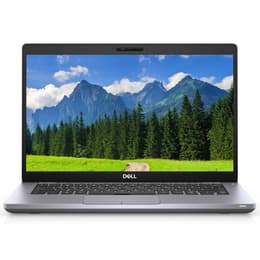
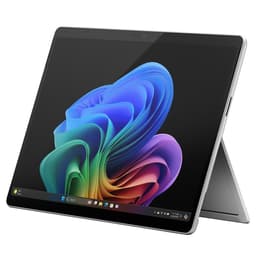

Dell Latitude 5410 14" vs Microsoft Surface Pro 6 12"

Dell Latitude 5410 14"
Starting at

Refurbished price:A$613.00

Versus A$1,425.00 new

See options
Microsoft Surface Pro 6 12"
See options

The Dell Latitude 5410, released in 2020, is a traditional business-oriented laptop, while the Microsoft Surface Pro 6, launched in late 2018, is a 2-in-1 detachable tablet designed for versatility. These devices offer distinct form factors and user experiences, with the Latitude prioritizing a conventional laptop setup and the Surface Pro focusing on portability and touch-first interaction. Both run on the Windows operating system, providing a familiar software environment, but their hardware approaches cater to different user needs.

Scores

Durability

The Dell Latitude 5410 and Microsoft Surface Pro 6, having release dates of 2020 and 2018 respectively, present different expectations for software longevity and practical lifespan.

  • Release Timeline: The Dell Latitude 5410 is a newer device, released in 2020, giving it a two-year advantage over the Microsoft Surface Pro 6, which launched in October 2018. This difference in release year can impact the duration of official software support and the overall practical lifespan of the devices.
  • OS Support: Both devices initially ran Windows 10 and are capable of upgrading to Windows 11. However, recent developments indicate that Microsoft has ceased official support for Intel's 8th, 9th, and 10th generation processors for new OEM systems running Windows 11 version 24H2. While existing users with these processors can still upgrade, the Dell Latitude 5410, with its 10th-generation Intel processors, may face a slightly longer period of unofficial compatibility compared to the Surface Pro 6's 8th-generation processors.
  • Repairability: The Dell Latitude 5410 is designed with business environments in mind, often featuring user-friendly access to internal components like RAM and storage for upgrades and repairs. In contrast, the Microsoft Surface Pro 6 has consistently received low repairability scores from experts, primarily due to its complex construction and the extensive use of adhesive, making self-repairs challenging and risky.

Release year

2020

2017

Last Os Compatibility

Yes

Yes

Operating system

Windows 11

Windows 11

Performance

The performance of these two devices varies due to their different processor generations and design philosophies, impacting how they handle everyday tasks and more demanding applications.

  • Processor Capabilities: The Dell Latitude 5410 features 10th-generation Intel processors, offering a more recent architecture compared to the Microsoft Surface Pro 6's 8th-generation Intel processors. This generally translates to more efficient handling of modern applications and improved responsiveness for daily computing tasks on the Latitude 5410.
  • Multitasking and Storage: The Latitude 5410 supports up to 64GB of DDR4 RAM across two SODIMM slots, allowing for significant multitasking capabilities and potential future upgrades. The Surface Pro 6 offers up to 16GB of LPDDR3 RAM, which is sufficient for many users but less expandable. Both devices utilize SSD storage, providing fast boot times and application loading, though the Latitude 5410 often comes with NVMe SSDs, which can offer faster data transfer speeds.
  • Battery Behavior: The Dell Latitude 5410 typically includes a 42Wh or 68Wh battery, with user reports indicating strong endurance, particularly with the larger battery option, often lasting a full workday. The Surface Pro 6, with a 45Wh battery, generally provides solid battery life for its form factor, with some tests showing over 9 hours of web browsing. However, user experiences suggest that battery life can degrade over time and is not easily replaceable in the Surface Pro 6.

Memory (GB)

16 GB

8 GB

Processor

Core i5 - Gen 10 (U)

Core i7 - Gen 8 (U)

Graphic card

Integrated Graphics

Integrated Graphics

Screen quality

The display characteristics of the Dell Latitude 5410 and Microsoft Surface Pro 6 cater to different viewing preferences and use cases.

  • Display Technology and Resolution: The Dell Latitude 5410 typically features a 14-inch Full HD (1920x1080) IPS LCD display, providing clear visuals and good viewing angles suitable for productivity. The Microsoft Surface Pro 6 boasts a 12.3-inch PixelSense display with a higher resolution of 2736x1824 pixels and a 3:2 aspect ratio, offering a sharper image and more vertical screen real estate, which can be beneficial for document work.
  • Brightness and Clarity: The Latitude 5410 offers various brightness options, including 220 nits and 300 nits, with some panels noted for covering a limited sRGB color gamut. The Surface Pro 6's display is known for its vibrant colors, high brightness, and excellent contrast, making it suitable for both media consumption and detailed work.
  • Touch and Interaction: The Surface Pro 6's display is a multi-touch touchscreen, central to its 2-in-1 tablet functionality, and supports pen input for creative and note-taking tasks. While some configurations of the Latitude 5410 offer touchscreens, it is primarily designed for traditional keyboard and trackpad interaction.

Resolution

1920 x 1080

2736 x 1824

Screen type

IPS

IPS

Camera

Audiovisual

The audio-visual components of these devices are designed with different primary uses in mind, influencing their camera, microphone, and speaker performance.

  • Camera System: The Dell Latitude 5410 includes a 720p IR HD webcam, often with a privacy shutter, suitable for video conferencing and secure facial recognition logins. The Microsoft Surface Pro 6 features a 5-megapixel front-facing camera and an 8-megapixel rear-facing camera, both capable of 1080p HD video recording, offering more versatility for photography and video calls. The front camera also supports Windows Hello facial recognition.
  • Microphone Quality: Both devices incorporate dual microphones, which are generally effective for capturing clear audio during calls and virtual meetings.
  • Speaker Output: The Latitude 5410 has dual 2W speakers, providing adequate sound for general use. The Surface Pro 6 features dual front-facing stereo speakers with Dolby Audio, which users often praise for their clear and pleasant sound quality, enhancing the media consumption experience.

Miscellaneous

Beyond core performance and display, several practical elements differentiate the Dell Latitude 5410 and Microsoft Surface Pro 6, impacting their usability and connectivity.

  • Connectivity Options: The Dell Latitude 5410 offers more modern connectivity, including Wi-Fi 6 and Bluetooth 5.1, with optional LTE for mobile broadband. The Microsoft Surface Pro 6 uses Wi-Fi 5 (802.11ac) and Bluetooth 4.1.
  • Port Types: The Latitude 5410 provides a comprehensive selection of ports, including USB-C with DisplayPort and Power Delivery, multiple USB-A 3.2 Gen 1 ports, HDMI 1.4, RJ-45 Ethernet, and a microSD card reader. The Surface Pro 6 has a more limited selection, featuring a single USB-A 3.0 port, Mini DisplayPort, Surface Connect port, 3.5mm headphone jack, and a microSD card reader, notably lacking a USB-C port.
  • Weight and Dimensions: The Latitude 5410 is a 14-inch laptop, starting at approximately 1.47 kg, making it a standard-weight business notebook. The Surface Pro 6, as a 12.3-inch tablet, is significantly lighter at around 770g without its Type Cover, emphasizing its portability and tablet-first design.
  • Build Materials: The Latitude 5410 features a chassis primarily made of plastic reinforced with carbon fiber and magnesium, designed for durability in a business setting. The Surface Pro 6 uses a magnesium alloy casing, contributing to its premium feel and sleek design.

Weight

7500 oz

1090 oz

Screen size

14

12

The Dell Latitude 5410 and Microsoft Surface Pro 6 cater to distinct user preferences, each excelling in different areas based on their design and intended use. Users frequently praise the Latitude 5410 for its robust build, comprehensive port selection, and strong battery life, making it a reliable workhorse for traditional office environments. Its upgradeability and repair-friendly design are also noted as significant advantages. However, some users have expressed concerns about the quality of certain display panels and its more conventional laptop form factor, which can be less portable than 2-in-1 alternatives.

Conversely, the Surface Pro 6 is often lauded for its exceptional portability, vibrant PixelSense touchscreen display, and versatile 2-in-1 design that seamlessly transitions between tablet and laptop modes. Its premium feel and capable cameras are also frequently highlighted. Criticisms often revolve around its limited port selection, particularly the absence of a USB-C port, and its notoriously difficult repairability, which can make battery replacements or other internal fixes challenging. Some users also find its performance, while adequate for everyday tasks, less suited for demanding applications compared to newer devices.

Users prioritizing a traditional laptop experience with extensive connectivity, easier maintenance, and a focus on sustained productivity will find the Dell Latitude 5410 well-suited to their needs. It is an ideal choice for professionals or students who require a dependable device for desk-bound work, frequent video conferencing, and a preference for a larger screen. On the other hand, individuals who value extreme portability, a high-resolution touchscreen for creative tasks or media consumption, and the flexibility of a tablet-laptop hybrid will likely lean toward the Microsoft Surface Pro 6. It is particularly appealing for those who are often on the go and appreciate a device that can adapt to various interaction styles. Both devices are available as quality-assured refurbished options, offering an eco-friendly alternative for consumers seeking reliable technology.


See all articles

Our recent comparisons