Compare models

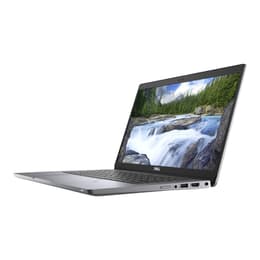
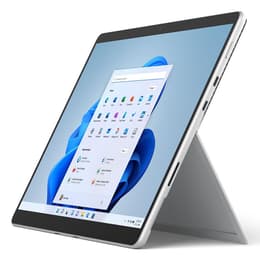
Dell Latitude 5320 13" vs Microsoft Surface Pro 8 13"

  • 1-year warranty
  • Free standard shipping
  • Free 30-day returns
Dell Latitude 5320 13"
Starting at

Refurbished price:A$455.00

Versus A$999.00 new

See options
Microsoft Surface Pro 8 13"
Starting at

Refurbished price:A$787.67

Versus A$2,449.00 new

See options

Differences at a glance

The Dell Latitude 5320 (2021) and the Microsoft Surface Pro 8 (2021) represent two distinct approaches to portable 13-inch computing. While the Latitude 5320 functions as a traditional clamshell business laptop, the Surface Pro 8 adopts a flexible detachable tablet form factor with a built-in kickstand. Both devices run on Windows and target mobile professionals, but their physical designs cater to entirely different working styles.

Available Models

Storage

Processor

Memory

Scores

Durability

Both models arrived on the market around the same time and share similar generation timelines, ensuring they receive standard operating system security updates concurrently. Repairability profiles vary significantly due to their structural designs.

    Software Longevity: Both systems handle modern software efficiently and support standard enterprise security frameworks.
    Repairability: The Dell Latitude 5320 features a conventional laptop chassis that allows straightforward component access, whereas the Microsoft Surface Pro 8 relies heavily on glued assembly, making internal component swaps more complex.
    Practical Lifespan: Both choices offer a reliable multi-year operational window depending on daily workload intensities and battery maintenance.

Release year

2021

2021

Operating system

Windows 11

Windows 11

Performance

Equipped with similar core hardware architectures, both machines handle daily productivity tasks, office suites, and multi-tab web browsing without noticeable friction. Multitasking behavior differs based on internal configuration choices.

    System Responsiveness: Applications launch swiftly and switch seamlessly across background tasks, supported by fast solid-state storage options.
    Multitasking Handling: Configurations with higher random access memory allocations maintain stable performance when running numerous resource-heavy applications simultaneously.
    Thermal Behavior: The traditional laptop layout of the Dell model manages sustained workloads efficiently, while the compact tablet enclosure of the Surface model may throttle performance during prolonged high-demand tasks.

Graphic card

Integrated Graphics

Integrated Graphics

Screen quality

Display characteristics define much of the visual experience between these two devices, balancing traditional widescreen proportions against a taller workspace aspect ratio.

    Panel Technology: The Dell Latitude 5320 uses a standard Full HD liquid crystal display, whereas the Microsoft Surface Pro 8 features a higher-resolution panel with an increased refresh rate for smoother scrolling.
    Aspect Ratio: The Dell model utilizes a traditional widescreen format well-suited for video playback, while the Surface model opts for a taller workspace proportion that accommodates document editing and web reading.
    Outdoor Visibility: Both displays offer adequate brightness levels for indoor office environments, though bright outdoor settings require maximum backlight adjustments on both units.

Resolution

1920 x 1080

2880 x 1920

Screen type

LCD

IPS

Audiovisual

Multimedia capabilities vary to accommodate different communication needs, ranging from routine video conferencing to casual media consumption.

    Webcam Performance: The Microsoft Surface Pro 8 includes a higher-resolution front camera system suited for clear video calls, outperforming the standard basic webcam found on the Dell Latitude 5320.
    Audio Output: Built-in speakers on both machines deliver clear dialogue for virtual meetings and casual video streaming, though external headphones remain preferable for immersive audio.
    Microphone Clarity: Integrated array microphones on both units effectively isolate background noise during voice calls and online conferences.

Miscellaneous

Physical dimensions and connectivity options dictate how each device integrates into mobile workflows and travel setups.

    Port Selection: The Dell Latitude 5320 provides a broad array of built-in connections including traditional USB ports and HDMI, while the Microsoft Surface Pro 8 relies primarily on modern universal connector ports alongside a magnetic charging dock.
    Portability: The Surface model offers a lighter, highly compact profile when detached from its keyboard, whereas the Dell model provides a rigid, all-in-one chassis that rests easily on uneven surfaces like laps.
    Build Materials: The Dell utilizes durable reinforced plastics for a lightweight professional finish, while the Surface employs an anodized metal construction for a rigid outer shell.

Weight

1180 oz

891 oz

Screen size

13

13

What the community thinks

Users prioritizing a traditional lap-friendly typing experience, robust built-in port variety, and straightforward physical upkeep will find the Dell Latitude 5320 well-suited to their routine. Conversely, users valuing pen input support, a high-resolution taller screen, and a lightweight detachable tablet format often gravitate toward the Microsoft Surface Pro 8. Choosing a quality-assured refurbished option provides a sustainable way to acquire either model while reducing electronic waste.


Our recent comparisons