Compare models
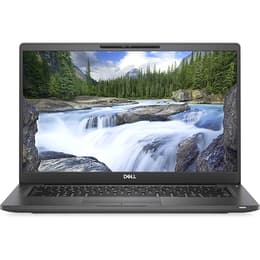
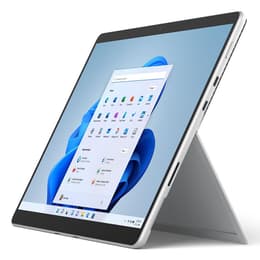
Dell Latitude 7400 14" vs Microsoft Surface Pro 8 13"
- 1-year warranty
- Free standard shipping
- Free 30-day returns
Differences at a glance
The Dell Latitude 7400 (2019) and the Microsoft Surface Pro 8 (2021) represent two distinct approaches to portable computing, combining clamshell enterprise design with a versatile detachable tablet form factor. While the Latitude 7400 operates traditionally as a clamshell laptop running Windows 10 Pro, the Surface Pro 8 functions as a flexible 2-in-1 device running Windows 11. Both machines target mobile users, though their structural formats and operating system baselines create fundamentally different everyday experiences.
Available Models
Storage (GB)
Processor
Memory (GB)
Scores
Durability
Device longevity and software support depend closely on release timelines, component durability, and operating system compatibility for each respective portable computer.
- Software lifecycle: The Surface Pro 8 benefits from a newer release date and native compatibility with current Windows operating systems, whereas the earlier Latitude 7400 relies on preceding hardware generations that may approach update limits sooner.
- Build and maintenance: The Latitude 7400 utilizes a rigid enterprise clamshell chassis designed for heavy commercial deployment, while the Surface Pro 8 employs a slim tablet frame with modular storage options that facilitate component servicing by qualified technicians.
- Practical lifespan: Both units handle daily administrative workloads reliably, but users seeking extended modern operating system support typically lean toward newer hardware generations.
Release year
2018
2021
Last Os Compatibility
Yes
Yes
Operating system
Windows 11
Windows 11
Performance
System responsiveness varies across these devices based on processor architecture, memory configurations, and thermal design during demanding tasks.
- Multitasking and applications: Both laptops handle office applications, web browsing, and heavy document editing smoothly, though newer processor options in the Surface Pro 8 offer efficiency gains for complex background tasks.
- Storage and memory: Configurations span various solid-state drive capacities and random-access memory tiers, ensuring quick file transfers and rapid system boot times.
- Battery behavior: The Latitude 7400 provides sustained power delivery suitable for full-day mobile work sessions, while the Surface Pro 8 manages energy dynamically depending on screen refresh settings and workload intensity.
Graphic card
Integrated Graphics
Integrated Graphics
Screen quality
Visual output differs significantly in panel geometry, maximum refresh rates, and primary interaction methods between the two form factors.
- Display technology: The Latitude 7400 features a traditional 14-inch anti-glare screen built for standard office viewing, whereas the Surface Pro 8 utilizes a 13-inch touch-sensitive panel with an expanded aspect ratio suited for document stacking and digital inking.
- Motion and clarity: The Surface Pro 8 incorporates a high refresh rate mode for smoother scrolling and interface navigation, while the Latitude 7400 focuses on standard clarity and optional privacy filter integrations.
- Outdoor visibility: Both displays offer adequate brightness levels for well-lit environments, though surface reflectivity varies between matte clamshell panels and glossy glass touchscreens.
Resolution
1920 x 1080
2256 x 1504
Screen type
LCD
LED
Camera
Audiovisual
Multimedia capabilities reflect the differing hardware designs, balancing traditional web conferencing tools against versatile multi-camera setups.
- Video conferencing: Both devices include reliable front-facing camera equipment and clear microphone arrays to support virtual meetings and voice calls.
- Secondary capture: The Surface Pro 8 features an additional high-resolution rear camera for capturing documents or environment details, a feature omitted on standard clamshell laptops.
- Media audio: Integrated stereo speakers deliver balanced sound output suitable for casual media streaming and verbal communication.
Miscellaneous
Physical dimensions, peripheral connectivity, and input accessories shape the practical portability and daily ergonomics of each machine.
- Port selection: The Latitude 7400 retains traditional USB-A connections alongside modern USB-C ports, whereas the Surface Pro 8 relies exclusively on USB-C connections and proprietary docking ports.
- Physical handling: The Latitude 7400 functions as a structured laptop with an attached keyboard base, while the Surface Pro 8 offers an ultra-lightweight tablet body that pairs with a detachable keyboard cover.
- Security features: Both models incorporate biometric authentication options including facial recognition for secure and rapid system login.
Weight
1360 oz
2500 oz
Screen size
14
13
What the community thinks
Choosing between the Dell Latitude 7400 and the Microsoft Surface Pro 8 depends primarily on whether a traditional laptop workspace or a modular tablet design better fits daily routines. Users prioritizing a rigid, lap-friendly chassis with legacy port availability often favor the Latitude 7400. Conversely, users valuing maximum portability, touch-based flexibility, and a high-refresh display frequently gravitate toward the Surface Pro 8. For consumers exploring sustainable purchasing habits, choosing a quality-assured refurbished option provides an eco-friendly alternative that extends electronic lifecycles without compromising functional standards.