
Smartphones
Compare models
Differences at a glance
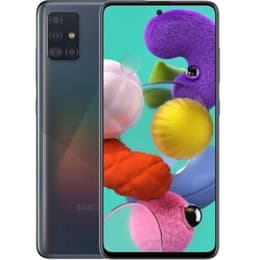
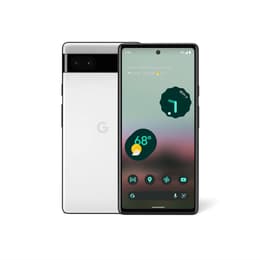
The Samsung Galaxy A51, released in early 2020, and the Google Pixel 6a, launched in mid-2022, are both smartphones designed to offer a balanced experience. While the Galaxy A51 focuses on a versatile camera setup and a large display, the Pixel 6a prioritizes a powerful processor and advanced computational photography. Both devices operate on the Android platform, but they offer distinct user experiences through their respective software interfaces and update policies.
Colour
Storage
When considering the long-term usability of these devices, their release timelines and software support are key factors.
Release year
Compatible with latest Update
Foldable
The performance of a smartphone is largely determined by its internal components and how efficiently its software utilizes them.
The visual experience on a smartphone is heavily influenced by its display technology and specifications.
Resolution
Screen type
The camera systems on these smartphones approach photography with different philosophies, impacting their overall imaging capabilities.
Main camera
Front camera
Beyond the core features, several practical elements contribute to the overall user experience of these smartphones.
Weight
Screen size (in)
SIM card
Carrier compatibility
The Samsung Galaxy A51 and Google Pixel 6a cater to slightly different user priorities, reflecting their respective release years and design philosophies. The Galaxy A51 has been praised for its vibrant Super AMOLED display and the inclusion of a versatile quad-camera system, along with the convenience of a 3.5mm headphone jack and expandable storage. However, some users have noted its performance can be underwhelming for demanding tasks and its software support has concluded.
The Google Pixel 6a is frequently lauded for its powerful processor, which ensures smooth performance across applications, and its exceptional computational photography capabilities, delivering high-quality images even with fewer camera lenses. Its longer software update commitment and IP67 water resistance are also significant advantages. Criticisms sometimes point to its standard 60Hz display and the absence of a headphone jack or expandable storage.
Users prioritizing a larger, vibrant display, expandable storage, and a traditional headphone jack may find the Samsung Galaxy A51 more aligned with their needs. Conversely, those who value a more powerful and future-proof processor, superior camera performance driven by software, longer software support, and water resistance will likely lean towards the Google Pixel 6a. Both devices, especially as quality-assured refurbished options, offer an eco-friendly alternative for consumers seeking reliable smartphones.