
iPhone
Compare models
Differences at a glance
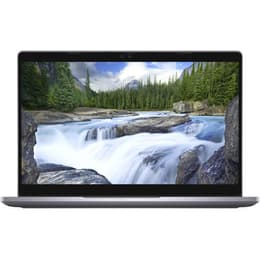
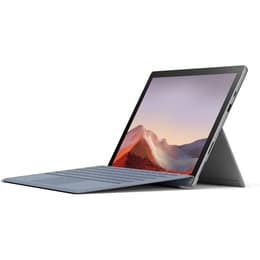
The Dell Latitude 5310, released in 2020, is a business-oriented laptop that also comes in a 2-in-1 convertible form factor. In contrast, the Microsoft Surface Pro 7, launched in late 2019, is primarily a 2-in-1 detachable tablet designed for versatility. Both devices operate on the Windows operating system, offering a familiar software environment, but they cater to different user preferences through their distinct designs and core functionalities.
When considering the long-term usability of these devices, their release timelines and design philosophies play a significant role. The Dell Latitude 5310, being a traditional laptop with some 2-in-1 configurations, offers a more conventional approach to longevity, while the Surface Pro 7's tablet-first design impacts its practical lifespan differently.
Release year
Last Os Compatibility
Operating system
Both the Dell Latitude 5310 and the Microsoft Surface Pro 7 are equipped with 10th Generation Intel Core processors, providing capable performance for everyday tasks. However, their configurations and thermal designs lead to some differences in real-world usage.
Graphic card
The display is a critical component for both laptops and 2-in-1 devices, influencing user experience significantly. The Dell Latitude 5310 and Microsoft Surface Pro 7 offer different display characteristics tailored to their respective form factors.
Resolution
Screen type
In an era of increased virtual communication, the camera and audio capabilities of a device are more important than ever. Both the Dell Latitude 5310 and the Microsoft Surface Pro 7 offer features for communication and media consumption.
Beyond the core performance and display, several practical elements contribute to the overall user experience and suitability for different needs. Connectivity, port selection, and physical design are key differentiators between these two devices.
Weight
Screen size
The Dell Latitude 5310 and Microsoft Surface Pro 7, while both Windows-based devices, cater to distinct user needs through their form factors and feature sets. User feedback for the Latitude 5310 often praises its robust build, comprehensive port selection, and the flexibility offered by its upgradable RAM and storage, making it a solid choice for business and productivity tasks. Some users have noted that it can become warm and noisy under heavy load when plugged in.
The Surface Pro 7 is frequently lauded for its portability, high-resolution touchscreen, and the versatility of its 2-in-1 design, which allows it to function as both a tablet and a laptop with the optional Type Cover. Common criticisms include its battery life, which some users find to be shorter than advertised, and the necessity of purchasing the Type Cover and Surface Pen separately to unlock its full potential. Some users also report occasional software glitches and the device getting warm during intensive use.
Users prioritizing a traditional laptop experience with extensive connectivity, internal upgradability, and a focus on sustained productivity will find the Dell Latitude 5310 well-suited to their needs. Its robust design and optional LTE make it a reliable companion for professionals and students who require a dependable workhorse. Conversely, individuals who value extreme portability, a high-resolution touch display for creative tasks or note-taking, and the flexibility of a tablet form factor will likely lean towards the Microsoft Surface Pro 7. Its integrated kickstand and pen support make it ideal for those who frequently switch between typing and touch-based interactions. Both devices are available as quality-assured refurbished options, providing an eco-friendly alternative for consumers.