
Asus Zenfone 9 vs iPhone 11

Asus Zenfone 9
Asus Zenfone 9
See options
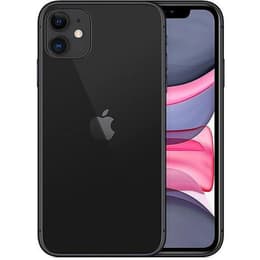
iPhone 11
iPhone 11
Starting at

Refurbished price:A$246.00

Versus A$769.00 new

See options

The Asus Zenfone 9, released in July 2022, and the iPhone 11, launched in September 2019, represent distinct approaches to smartphone design and user experience. While the Zenfone 9 focuses on a compact Android flagship experience with modern internal components, the iPhone 11 offers Apple's iOS ecosystem with a strong emphasis on camera performance and consistent software updates. These devices cater to different preferences, with the Zenfone 9 appealing to those seeking a powerful, pocket-friendly Android device, and the iPhone 11 providing a reliable entry into the Apple ecosystem.

Scores

Durability

When considering the longevity of these devices, several factors come into play, including their release timelines, software support, and physical build.

  • Release Timeline & Age: The Asus Zenfone 9 was released in July 2022, making it a more recent device compared to the iPhone 11, which launched in September 2019. This difference in release date means the Zenfone 9 generally benefits from newer hardware and a longer potential support window from its launch.
  • OS Support & Longevity: The iPhone 11, running iOS, has a reputation for extended software support, having received updates up to iOS 17 and likely iOS 18, with compatibility expected for iOS 26 in 2025. The Zenfone 9, running Android 12 at launch, typically receives fewer major OS updates than iPhones, though it offers a near-stock Android experience.
  • Durability Features: Both devices feature IP68 ratings for dust and water resistance, indicating a good level of protection against environmental elements. The Zenfone 9 uses Gorilla Glass Victus on its front for enhanced screen protection, while the iPhone 11 features Corning-made scratch-resistant glass.

Release year

2022

2019

Compatible with latest Update

Yes

Yes

Operating system

Android

iOS

Foldable

No

No

Performance

The performance of a smartphone is crucial for daily tasks, app usage, and multitasking. Both the Asus Zenfone 9 and the iPhone 11 offer capable performance, though they differ in their underlying architecture and real-world impact.

  • Processing Power: The Zenfone 9 is equipped with a current-generation processor, allowing it to handle demanding applications and multitasking smoothly. The iPhone 11 features Apple's A13 Bionic chip, which provides strong performance for everyday use and gaming, even several years after its release.
  • Storage and Multitasking: The Zenfone 9 offers storage options up to 256GB and RAM configurations up to 16GB, which can contribute to very fluid multitasking and app management. The iPhone 11 comes with 4GB of RAM and storage options up to 256GB, which is sufficient for most users, though heavy multitaskers might notice differences compared to devices with higher RAM.
  • Battery Behavior: The Zenfone 9 houses a 4300 mAh battery, providing good battery life for its compact size, often lasting a full day of use. The iPhone 11, with its 3110 mAh battery, also generally offers a full day of power for typical usage.

Memory (GB)

6 GB

4 GB

Screen quality

The display is a primary interface for any smartphone, and the visual experience can vary significantly between different technologies and specifications.

  • Display Technology and Resolution: The Asus Zenfone 9 features a 5.9-inch AMOLED display with a 1080 x 2400 resolution, offering vibrant colors and deep blacks. The iPhone 11 uses a 6.1-inch Liquid Retina HD IPS LCD display with a resolution of 1792 x 828 pixels, providing accurate color reproduction.
  • Refresh Rate and Brightness: The Zenfone 9 boasts an adaptive 120Hz refresh rate, contributing to smoother scrolling and a more responsive feel, along with a peak brightness of 1100 nits. The iPhone 11 has a standard 60Hz refresh rate and a maximum brightness of 625 nits.
  • Screen Size and Viewing: The Zenfone 9's 5.9-inch screen offers a compact viewing experience, while the iPhone 11's slightly larger 6.1-inch display provides a bit more screen real estate. Both displays are suitable for media consumption, with the Zenfone 9 offering a higher pixel density and smoother visuals.

Resolution

1080 x 2400

828 x 1792

Screen type

Super AMOLED

Liquid Retina IPS LCD

Audiovisual

Camera capabilities are often a key differentiator for smartphones, influencing how users capture and share their experiences.

  • Rear Camera Systems: The Asus Zenfone 9 features a dual-lens rear camera system, including a 50MP main sensor with 6-Axis Hybrid Gimbal OIS and a 12MP ultrawide lens with macro capabilities. The iPhone 11 also has a dual 12MP rear camera setup, comprising a wide lens with optical image stabilization and an ultrawide lens, known for its Night mode and Deep Fusion processing.
  • Photography Performance: The Zenfone 9's main camera is noted for its gimbal stabilization, which can help in capturing steady photos and videos. The iPhone 11's camera system is praised for its consistent image quality, particularly in low-light conditions with Night mode, and its Smart HDR capabilities.
  • Video Recording and Audio: Both phones support 4K video recording at up to 60 frames per second, with the Zenfone 9 also offering 8K recording at 24fps. The iPhone 11 includes features like audio zoom and cinematic video stabilization. For audio output, both devices feature stereo speakers, but the Zenfone 9 uniquely retains a 3.5mm headphone jack.

Main camera

50 megapixels

12 megapixels

Front camera

12 megapixels

12 megapixels

Miscellaneous

Beyond core specifications, various practical elements contribute to the overall user experience and daily convenience of a smartphone.

  • Connectivity and Ports: The Asus Zenfone 9 supports modern connectivity standards like Wi-Fi 6 and features a USB-C port for charging and data transfer. The iPhone 11 also supports Wi-Fi 6 and uses Apple's proprietary Lightning port. The Zenfone 9 includes a 3.5mm headphone jack, a feature absent on the iPhone 11.
  • Biometrics and Sensors: The Zenfone 9 incorporates a side-mounted fingerprint sensor integrated into the power button, which also offers customizable swipe gestures. The iPhone 11 relies on Face ID for secure authentication, utilizing its TrueDepth camera system. Both devices include standard sensors like accelerometers, gyroscopes, and ambient light sensors.
  • Design and Handling: The Zenfone 9 is known for its compact form factor and lighter weight of 169g, featuring a polycarbonate back with a grippy, soft-touch finish and a flat aluminum frame. The iPhone 11, weighing 194g, has a glass front and back with an aluminum frame, offering a premium feel.

Weight

169 oz

194 oz

Screen size (in)

5.9

6.1

Network

5G

4G

SIM card

Dual Physical SIM

Physical SIM + eSIM

Carrier compatibility

Unlocked

Unlocked

Connector

USB-C + Jack 3.5mm

Lightning

The Asus Zenfone 9 and iPhone 11 cater to users with differing priorities, reflecting their distinct design philosophies and ecosystems. Users often praise the Zenfone 9 for its compact size, powerful performance for its category, and the inclusion of a headphone jack. Some common discussions around the Zenfone 9 include its potential for thermal management under heavy load and the consistency of its camera's exposure.

Conversely, the iPhone 11 is frequently lauded for its robust camera system, particularly its Night mode and video capabilities, as well as Apple's long-term software support. Criticisms often point to its LCD display technology compared to OLED alternatives and the presence of a display notch.

Users prioritizing a highly portable Android device with modern processing power and a smooth, high-refresh-rate display may find the Asus Zenfone 9 well-suited to their needs. Its physical headphone jack and customizable side button also appeal to those who value specific hardware features. On the other hand, individuals deeply integrated into the Apple ecosystem or those who prioritize consistent camera performance, extended software longevity, and Face ID security might lean towards the iPhone 11. Both devices offer a quality-assured refurbished option, providing an eco-friendly alternative for consumers.


See all articles

Our recent comparisons