
Galaxy A73 5G vs iPhone 11 Pro

Galaxy A73 5G
Galaxy A73 5G
See options
iPhone 11 Pro
iPhone 11 Pro
Starting at

Refurbished price:A$327.00

Versus A$1,029.00 new

See options

Ratings

The Samsung Galaxy A73 5G, released in March 2022, and the iPhone 11 Pro, launched in September 2019, represent distinct approaches to smartphone design and functionality from their respective manufacturers. While the Galaxy A73 operates on the Android ecosystem, the iPhone 11 Pro runs on iOS, offering different user experiences. Key differentiators include their display technologies, camera systems, and overall design philosophies, catering to varied user preferences.

Scores

Durability

When considering the long-term usability of these devices, their release timelines and software support policies are important factors.

  • Release Timeline: The Galaxy A73 5G is a newer device, released in March 2022, while the iPhone 11 Pro launched significantly earlier in September 2019. This difference in age directly impacts their remaining software support.
  • OS Support Duration: Samsung typically provides four years of major Android OS updates and five years of security updates for the A73 5G, with security updates expected to continue until April 2027. The iPhone 11 Pro, having launched with iOS 13, has received updates up to iOS 17 and is expected to continue receiving major iOS updates for approximately five to six years from its release, with security patches extending even longer. This suggests the iPhone 11 Pro's major OS update cycle may be nearing its end, while the A73 5G still has some years of major updates remaining.
  • Practical Lifespan & Repairability: Both devices are built with a degree of durability. The Galaxy A73 5G features Gorilla Glass 5 on the front and an IP67 rating for dust and water resistance. The iPhone 11 Pro has a stainless steel frame, glass front and back, and an IP68 rating, indicating slightly better water resistance. Repairability scores vary, with the Galaxy A73 5G noted for relatively accessible battery and screen, though adhesive can make repairs challenging. The iPhone 11 Pro also has a moderate repairability score.

Release year

2022

2019

Compatible with latest Update

Yes

Yes

Operating system

Android

iOS

Foldable

No

No

Performance

The performance of a smartphone is crucial for daily tasks, app usage, and multitasking. These two devices offer different experiences in this regard.

  • System Responsiveness: The iPhone 11 Pro, powered by its A13 Bionic chip, delivers a fluid and highly responsive user experience, handling demanding applications and multitasking with ease. The Galaxy A73 5G, with its Snapdragon 778G 5G processor, provides smooth performance for everyday use and can manage most applications and games effectively, though some users might notice a difference in the most intensive tasks compared to higher-end chipsets.
  • Battery Behavior: The Galaxy A73 5G is equipped with a larger 5000 mAh battery, often providing extended usage, with many users reporting it can last a full day or even two with moderate use. The iPhone 11 Pro, with a 3046 mAh battery, was noted for significantly improved battery life compared to its predecessors, often lasting a full day for heavy users.
  • Storage and Multitasking: The iPhone 11 Pro offers storage options up to 512GB, while the Galaxy A73 5G provides 128GB or 256GB, with the added flexibility of expandable storage via a microSD card, a feature absent on the iPhone. Both devices offer sufficient RAM for smooth multitasking in typical scenarios.

Memory (GB)

6 GB

4 GB

Screen quality

The display is a primary interface for smartphone interaction, and both models offer distinct visual experiences.

  • Display Technology and Clarity: Both devices feature OLED displays, known for deep blacks and vibrant colors. The iPhone 11 Pro has a 5.8-inch Super Retina XDR OLED display with a resolution of 2436 x 1125 pixels, offering high pixel density and sharp visuals. The Galaxy A73 5G boasts a larger 6.7-inch Super AMOLED+ display with a resolution of 2400 x 1080 pixels.
  • Refresh Rate and Smoothness: A significant difference lies in their refresh rates. The Galaxy A73 5G features a 120Hz refresh rate, contributing to smoother scrolling and a more fluid visual experience, particularly noticeable during gaming or navigating interfaces. The iPhone 11 Pro has a standard 60Hz refresh rate, which is still smooth for general use but does not offer the same level of fluidity.
  • Brightness and Viewing Experience: Both displays offer good brightness levels for outdoor visibility. The iPhone 11 Pro's Super Retina XDR display is capable of high peak brightness, especially for HDR content. The larger screen size of the Galaxy A73 5G provides a more expansive viewing area, which can be beneficial for media consumption and productivity.

Resolution

1080 x 2400

1125 x 2436

Screen type

Super AMOLED Plus

Super Retina XDR OLED

Audiovisual

Camera capabilities are a key consideration for many users, and these phones approach photography with different strengths.

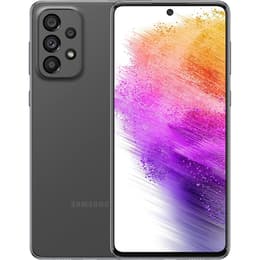
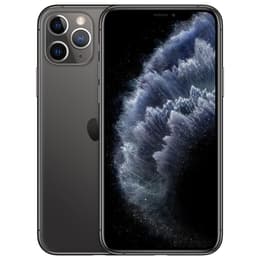
  • Rear Camera Systems: The Galaxy A73 5G features a quad-camera setup with a 108 MP main sensor, a 12 MP ultrawide, a 5 MP macro, and a 5 MP depth sensor. The 108 MP main camera is capable of capturing detailed images, and users report good dynamic range and color accuracy in daylight. The iPhone 11 Pro has a versatile triple 12 MP camera system, including wide, ultrawide, and telephoto lenses.
  • Low-Light and Everyday Photography: The iPhone 11 Pro introduced a significantly improved Night Mode, enhancing low-light performance and bringing it closer to competitors. Its camera system is praised for consistent image quality across its lenses and excellent video recording. The Galaxy A73 5G's main camera performs well in good lighting, but its low-light performance and macro lens have received mixed reviews, with some noting a lack of detail in certain conditions.
  • Video Recording and Audio: Both devices are capable of recording 4K video at 30 frames per second. The iPhone 11 Pro is particularly noted for its high-quality video capture. For audio, both offer decent speaker output for media consumption and clear microphone quality for calls.

Main camera

108 megapixels

12 megapixels

Front camera

32 megapixels

12 megapixels

Miscellaneous

Beyond core features, several practical elements contribute to the overall user experience of these smartphones.

  • Connectivity and Ports: The Galaxy A73 5G supports 5G connectivity, Wi-Fi 6, and Bluetooth 5.0, offering modern wireless standards. It uses a USB-C port for charging and data transfer. The iPhone 11 Pro supports LTE, Wi-Fi 6, and Bluetooth 5.0, but lacks 5G capability. It utilizes Apple's proprietary Lightning port.
  • Biometric Security: The Galaxy A73 5G features an optical under-display fingerprint sensor for secure unlocking. The iPhone 11 Pro relies on Face ID, Apple's facial recognition system, for biometric authentication.
  • Design and Handling: The Galaxy A73 5G has a plastic frame with a Gorilla Glass 5 front, weighing 181 grams and measuring 7.6 mm thick. The iPhone 11 Pro features a more premium stainless steel frame and glass construction, weighing 188 grams and measuring 8.1 mm thick. Despite its slightly higher weight, the iPhone 11 Pro is a more compact device, which some users find easier for one-handed use.

Weight

181 oz

188 oz

Screen size (in)

6.7

5.8

Network

5G

4G

SIM card

Dual Physical SIM

Physical SIM + eSIM

Carrier compatibility

Unlocked

Unlocked

The Samsung Galaxy A73 5G and iPhone 11 Pro cater to different user priorities, reflecting their respective ecosystems and release timelines. Users often praise the Galaxy A73 5G for its large, vibrant 120Hz AMOLED display, excellent battery life, and the flexibility of expandable storage. Its camera system, particularly the high-megapixel main sensor, is also a frequent highlight for everyday photography. Some criticisms include its plastic build feeling less premium than some rivals and its low-light camera performance not always matching the best.

The iPhone 11 Pro is frequently lauded for its robust performance, compact size, and the consistent quality of its triple-camera system, especially its improved low-light capabilities and video recording. Its premium build materials and the long-term software support from Apple are also strong points. Common concerns for the iPhone 11 Pro include its 60Hz display, the absence of 5G connectivity, and the proprietary Lightning port.

Users prioritizing a large, high-refresh-rate display, extensive battery life, and the flexibility of Android with expandable storage may find the Galaxy A73 5G well-suited to their needs. Conversely, those who value a compact form factor, a highly optimized user experience, consistent camera performance across lenses, and long-term software updates within the iOS ecosystem might lean towards the iPhone 11 Pro. Both devices are available as quality-assured refurbished options, providing an eco-friendly alternative for consumers.


See all articles

Our recent comparisons