
Asus Zenfone 9 vs Galaxy Z Fold6

Asus Zenfone 9
Asus Zenfone 9
See options
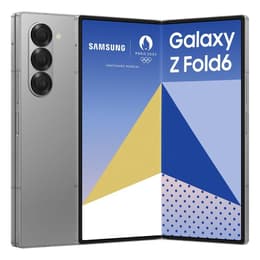
Galaxy Z Fold6
Galaxy Z Fold6
Starting at

Refurbished price:A$1,088.24

Versus A$2,749.00 new

See options

The Asus Zenfone 9, released in July 2022, and the Samsung Galaxy Z Fold6, launched in July 2024, represent distinct approaches to smartphone design and functionality. While the Zenfone 9 offers a compact, traditional smartphone experience, the Galaxy Z Fold6 provides a large, foldable display for enhanced productivity and media consumption. Both devices operate on the Android platform, though they differ significantly in their form factors and target user experiences.

Scores

Durability

The expected practical lifespan and software support differ considerably between these two devices, primarily due to their release timelines and manufacturer policies.

  • Release Timeline: The Asus Zenfone 9 was released in July 2022, making it an older model compared to the Samsung Galaxy Z Fold6, which became available in July 2024. This two-year difference impacts their remaining software support and overall longevity.
  • Software Support: The Zenfone 9 typically received two major Android OS updates and three years of security updates from its launch, meaning its official software support would have concluded around July 2025. In contrast, the Galaxy Z Fold6 launched with Android 14 and is promised seven years of Android OS upgrades and security updates, extending its support well into the future.
  • Physical Durability: The Zenfone 9 features a traditional slate design with an IP68 rating for dust and water resistance and Gorilla Glass Victus protection on its display. The Galaxy Z Fold6, as a foldable device, incorporates a more complex design with an IPX8 water resistance rating, Armor Aluminum frame, and specialized glass for its cover and inner foldable displays. The durability of the hinge mechanism is a key consideration for foldable phones.

Release year

2022

2024

Compatible with latest Update

Yes

Yes

Operating system

Android

Android

Foldable

No

Yes

Performance

Both devices deliver robust performance, though the Galaxy Z Fold6 benefits from a newer generation of internal components optimized for its unique form factor.

  • Processing Power: The Asus Zenfone 9 is equipped with a powerful processor from its release era, capable of handling demanding applications and multitasking smoothly. The Galaxy Z Fold6 features a more recent, top-tier processor specifically designed for its ecosystem, providing enhanced speed and efficiency, particularly for complex tasks and multi-window operations across its larger displays.
  • Multitasking and Responsiveness: The Zenfone 9 offers a responsive user experience for everyday tasks and gaming, supported by ample RAM configurations. The Galaxy Z Fold6, with its advanced processor and substantial RAM, excels in multitasking, allowing users to run multiple applications simultaneously on its expansive inner screen without noticeable slowdowns.
  • Storage Capabilities: Both devices offer various internal storage options, utilizing fast storage technologies for quick app loading and data access. The Galaxy Z Fold6 typically provides higher maximum storage capacities and uses a newer generation of storage technology.
  • Battery Behavior: The Zenfone 9, despite its compact size, is noted for its efficient battery usage, often lasting through a full day for many users. The Galaxy Z Fold6, with its larger and dual-screen setup, manages its battery effectively to provide a full day of use, though heavy utilization of the main foldable display can lead to more frequent charging.

Memory (GB)

6 GB

12 GB

Screen quality

The display experience is a primary differentiator, with the Zenfone 9 offering a traditional, high-quality panel and the Galaxy Z Fold6 providing a versatile dual-screen setup.

  • Display Technology and Clarity: The Asus Zenfone 9 features a 5.9-inch AMOLED display, known for its deep blacks, vibrant colors, and sharp resolution, providing a clear viewing experience for a compact device. The Galaxy Z Fold6 boasts two Dynamic AMOLED 2X displays: a 6.3-inch cover screen and a 7.6-inch main foldable screen, both offering high resolution and exceptional clarity.
  • Brightness and Refresh Rate: Both devices offer high peak brightness levels, ensuring good visibility even in bright outdoor conditions. The Zenfone 9's display has a 120Hz refresh rate, contributing to smooth scrolling and animations. The Galaxy Z Fold6's displays also feature an adaptive 120Hz refresh rate, providing a fluid visual experience across both screens.
  • Viewing Experience: The Zenfone 9's compact screen is ideal for one-handed use and users who prefer a smaller form factor. The Galaxy Z Fold6's large inner display transforms the device into a tablet-like experience, suitable for immersive media consumption, detailed work, and extensive multitasking.

Resolution

1080 x 2400

1856 x 2160

Screen type

Super AMOLED

Foldable Dynamic LTPO AMOLED 2X

Audiovisual

Both smartphones offer capable camera systems, but they cater to different photographic needs and preferences.

  • Rear Camera Systems: The Asus Zenfone 9 features a dual-camera setup, highlighted by a 50-megapixel main sensor with a 6-axis gimbal stabilization system, which aids in capturing stable photos and videos, particularly in challenging conditions. It also includes a 12-megapixel ultrawide lens. The Samsung Galaxy Z Fold6 comes with a versatile triple-camera system, typically including a 50-megapixel wide-angle lens with optical image stabilization, a 12-megapixel ultrawide lens, and a 10-megapixel telephoto lens for optical zoom capabilities.
  • Photography Performance: The Zenfone 9 is praised for its main camera's detail and low-light performance, with the gimbal stabilization being a significant asset for video recording. The Galaxy Z Fold6's camera system delivers consistent and high-quality images across its lenses, benefiting from advanced image processing and the flexibility of a telephoto lens for zoomed shots.
  • Front-Facing Cameras and Video: The Zenfone 9 has a 12-megapixel front camera with autofocus. The Galaxy Z Fold6 includes a 10-megapixel camera on its cover screen and a 4-megapixel under-display camera on its main screen, designed for video calls and facial recognition. Both devices are capable of high-resolution video recording, with the Zenfone 9's gimbal offering particularly smooth video capture.

Main camera

50 megapixels

50 megapixels

Front camera

12 megapixels

4 megapixels

Miscellaneous

Beyond core specifications, several practical elements distinguish the user experience of these two devices.

  • Connectivity and Ports: The Asus Zenfone 9 supports Wi-Fi 6E and Bluetooth 5.2, and notably includes a 3.5mm headphone jack, a feature less common in modern smartphones. It uses a USB-C 2.0 port. The Galaxy Z Fold6 features more advanced connectivity with Wi-Fi 7 and Bluetooth 5.3/5.4, along with a USB-C port, but it does not include a headphone jack.
  • Biometric Security: Both devices incorporate side-mounted fingerprint sensors for secure and convenient unlocking. The Galaxy Z Fold6 also utilizes its front-facing cameras for facial recognition.
  • Form Factor and Handling: The Zenfone 9 is designed for compact, one-handed use, weighing approximately 169 grams and featuring a traditional candy bar shape. The Galaxy Z Fold6, while lighter and thinner than its predecessors, is a larger and heavier device at 239 grams, offering a unique foldable design that transforms from a conventional smartphone to a small tablet.
  • Additional Features: The Zenfone 9 offers stereo speakers and a customizable 'Smart Key' integrated into its power button. The Galaxy Z Fold6 supports S Pen input on its main display, enhancing its utility for note-taking and creative tasks, though the stylus is sold separately.

Weight

169 oz

239 oz

Screen size (in)

5.9

7.6

Network

5G

5G

SIM card

Dual Physical SIM

Dual Physical SIM + eSIM

Carrier compatibility

Unlocked

Unlocked

The Asus Zenfone 9 and Samsung Galaxy Z Fold6 cater to distinct user preferences, each excelling in different areas based on their design philosophy and release timelines.

Users frequently praise the Zenfone 9 for its compact size, making it comfortable for one-handed operation and easy pocketability. Its strong performance for its generation and impressive battery life for a smaller device are also commonly highlighted. The inclusion of a 3.5mm headphone jack is a notable positive for many. However, common criticisms often revolve around its limited software update policy compared to other Android flagships, and some users find its camera processing can be inconsistent.

The Galaxy Z Fold6 is widely lauded for its innovative foldable design, offering a large, immersive screen for productivity and media consumption. Its top-tier performance, extended software support, and versatile camera system are frequently praised. Users appreciate the enhanced multitasking capabilities and the S Pen support for creative and professional tasks. Some common concerns include the visibility of the crease on the main display and the camera performance, while solid, may not always offer the 'wow factor' of dedicated camera-centric flagships.

Users prioritizing a compact, traditional smartphone experience with strong performance and a headphone jack may find the Asus Zenfone 9 well-suited to their needs. Its smaller form factor is ideal for those who value portability and ease of one-handed use. Conversely, individuals who require a large, adaptable screen for productivity, immersive media, and advanced multitasking, along with long-term software support, will likely lean towards the Samsung Galaxy Z Fold6. This device is particularly beneficial for professionals and students who can leverage the expansive display and S Pen functionality. Both devices, whether new or as a quality-assured refurbished option, offer compelling features for their respective audiences, enabling informed and sustainable choices.


See all articles

Our recent comparisons