
Asus Zenfone 9 vs iPhone 13

Asus Zenfone 9
Asus Zenfone 9
See options
iPhone 13
iPhone 13
Starting at

Refurbished price:A$413.00

Versus A$1,099.00 new

See options

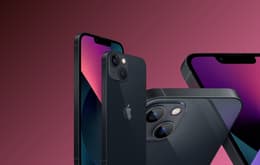
The Asus Zenfone 9, an Android smartphone released in July 2022, and the Apple iPhone 13, an iOS device launched in September 2021, offer distinct approaches to the premium smartphone experience. While both provide robust performance and capable cameras, key differentiators lie in their operating systems, physical design, and specific hardware features. This comparison aims to highlight these practical differences to help users make an informed decision.

Scores

Durability

The practical lifespan of a smartphone is influenced by its release timeline, software support, and physical resilience. The Asus Zenfone 9 and iPhone 13, while both durable, present different longevity expectations.

  • Release Timeline: The iPhone 13 was released in September 2021, preceding the Asus Zenfone 9, which launched in July 2022. This difference in release date means the iPhone 13 has already received more software updates and is closer to its end-of-support cycle compared to the Zenfone 9.
  • Software Longevity: Apple is known for providing extended software support for its devices, typically offering five to six years of major iOS updates. The Asus Zenfone 9, running Android, generally receives fewer major OS updates, with initial guarantees often extending for about two years from release, impacting its long-term software relevance.
  • Physical Durability: Both devices feature robust builds. The iPhone 13 incorporates a Ceramic Shield front cover and an IP68 rating for water and dust resistance. The Asus Zenfone 9 also boasts an IP68 rating and Gorilla Glass Victus protection on its display, alongside an aluminum frame and a polymer back.

Release year

2022

2021

Compatible with latest Update

Yes

Yes

Operating system

Android

iOS

Foldable

No

No

Performance

Evaluating performance involves looking beyond raw specifications to understand how each device handles daily tasks, demanding applications, and multitasking scenarios.

  • Processing Power: The iPhone 13 is equipped with a powerful chip designed for efficient performance across iOS applications, ensuring smooth operation for everyday use and graphically intensive tasks. The Asus Zenfone 9 features a current-generation processor that handles demanding apps and multitasking smoothly, providing a responsive experience for gaming and productivity.
  • Multitasking and Responsiveness: The iPhone 13 offers a fluid user experience, with applications launching quickly and transitions feeling seamless. The Asus Zenfone 9, with its generous RAM options, allows for extensive multitasking, keeping numerous applications open in the background without significant slowdowns.
  • Battery Behavior: The Asus Zenfone 9 is noted for its impressive battery longevity, often lasting a day and a half or even two days with average use, a significant advantage for users who prioritize extended time away from a charger. The iPhone 13 also delivers good battery life, representing a notable improvement over its predecessor and typically lasting a full day for most users.

Memory (GB)

6 GB

4 GB

Screen quality

The display is a primary interface for user interaction, and both devices offer high-quality viewing experiences with distinct characteristics.

  • Display Technology and Clarity: Both the Asus Zenfone 9 and the iPhone 13 feature vibrant OLED displays, which provide deep blacks and excellent contrast. The iPhone 13's Super Retina XDR OLED display offers a resolution of 1170x2532 pixels, resulting in sharp and detailed visuals. The Zenfone 9's AMOLED display has a resolution of 1080x2400 pixels, also delivering clear images.
  • Refresh Rate and Smoothness: A key difference is the refresh rate; the Asus Zenfone 9 features an adaptive 120Hz refresh rate, contributing to smoother scrolling and a more responsive feel during gaming or fast-paced content. The iPhone 13 maintains a standard 60Hz refresh rate.
  • Brightness and Viewing Experience: Both phones offer high brightness levels, with the iPhone 13 reaching 800 nits typical and 1200 nits peak for HDR content, ensuring good visibility outdoors. The Zenfone 9 also achieves a peak brightness of 1100 nits, providing a bright and clear viewing experience in various lighting conditions.

Resolution

1080 x 2400

1170 x 2532

Screen type

Super AMOLED

Super Retina XDR OLED

Audiovisual

Camera capabilities are a significant factor for many users, and both the Asus Zenfone 9 and iPhone 13 offer advanced systems for capturing photos and videos.

  • Rear Camera Systems: The Asus Zenfone 9 features a dual-camera setup with a 50MP main sensor that includes a unique 6-axis gimbal stabilization system, enhancing video stability and low-light photography. It also has a 12MP ultrawide camera. The iPhone 13 comes with a dual 12MP camera system, comprising a wide lens with sensor-shift optical image stabilization and an ultrawide lens, both designed for excellent image quality, particularly in challenging lighting.
  • Photography Performance: The Zenfone 9's main camera captures detailed images with accurate colors, and its low-light performance is generally strong, though some users have noted occasional inconsistencies in processing. The iPhone 13 is praised for its consistent image quality, vibrant colors, and strong performance in various lighting conditions, including low light.
  • Video Recording and Audio: The Zenfone 9 supports video recording up to 8K at 24fps and 4K at 60fps, with its gimbal stabilization providing very steady footage. The iPhone 13 offers Cinematic mode for video, which adds a shallow depth of field effect, and supports HDR video recording with Dolby Vision up to 4K at 60fps. Both devices offer capable microphone quality for calls and recordings, and stereo speakers for media consumption.

Main camera

50 megapixels

12 megapixels

Front camera

12 megapixels

12 megapixels

Miscellaneous

Beyond core features, practical elements like connectivity, physical design, and additional functionalities contribute to the overall user experience.

  • Connectivity and Ports: The Asus Zenfone 9 supports 5G, Wi-Fi 6E, and Bluetooth 5.2, and notably includes a 3.5mm headphone jack and a USB-C port. The iPhone 13 also offers 5G connectivity (sub-6 GHz), Wi-Fi 6, and Bluetooth 5.0, but uses Apple's proprietary Lightning port and lacks a headphone jack.
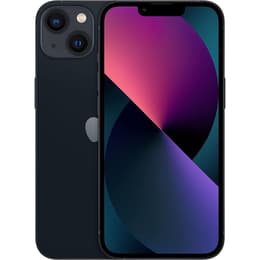
  • Biometrics and Design: The Zenfone 9 features a side-mounted fingerprint sensor integrated into the power button, which also supports gesture controls. Its compact 5.9-inch display and textured back contribute to comfortable one-handed use. The iPhone 13 relies on Face ID for biometric authentication and features a 6.1-inch display with a slightly smaller notch compared to its predecessor.
  • Build Materials and Handling: The Zenfone 9 combines an aluminum frame with a polymer back, offering a secure grip. The iPhone 13 features an aluminum frame with a glass back, providing a premium feel. Both devices are designed to be comfortable for daily handling, though the Zenfone 9's smaller form factor might appeal more to users preferring a compact device.

Weight

169 oz

173 oz

Screen size (in)

5.9

6,1

Network

5G

5G

SIM card

Dual Physical SIM

Physical SIM + eSIM

Carrier compatibility

Unlocked

Unlocked

Connector

USB-C + Jack 3.5mm

Lightning

User feedback for the Asus Zenfone 9 often highlights its exceptional battery life for a compact device and its powerful performance, making it a strong contender for users seeking a smaller Android phone without compromising on speed. Criticisms sometimes point to inconsistencies in camera processing and a shorter software update commitment compared to some competitors. The inclusion of a 3.5mm headphone jack is frequently praised by users.

The iPhone 13 receives consistent praise for its reliable camera system, long-term software support, and improved battery life over previous iPhone models, providing a dependable experience within the Apple ecosystem. Some users express a desire for a higher refresh rate display, a feature reserved for the Pro models in its generation. The Lightning port, while familiar to Apple users, is sometimes seen as a limitation compared to the more universal USB-C standard.

Users prioritizing a compact Android device with outstanding battery life, a high refresh rate display, and a traditional headphone jack may find the Asus Zenfone 9 well-suited to their needs. Conversely, users who value long-term software support, a consistent camera experience, and integration within the iOS ecosystem will likely lean towards the iPhone 13. Both devices offer robust performance and durability, and considering a quality-assured refurbished option for either model can be an eco-friendly alternative for making an informed choice.


See all articles

Our recent comparisons