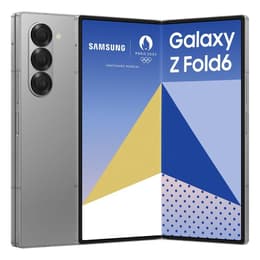
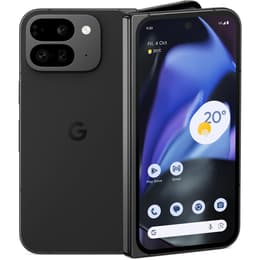

Galaxy Z Fold6 vs Google Pixel 9 Pro Fold

Galaxy Z Fold6
Galaxy Z Fold6
Starting at

Refurbished price:A$1,088.24

Versus A$2,749.00 new

See options
Google Pixel 9 Pro Fold
See options

Ratings

The Samsung Galaxy Z Fold6 and the Google Pixel 9 Pro Fold represent two distinct approaches to the foldable smartphone experience, both released in 2024. While both devices offer the versatility of a large, tablet-like inner display and a more conventional outer screen, they differentiate themselves through design philosophy, software integration, and hardware priorities. The Galaxy Z Fold6, launched in July 2024, builds on Samsung's established foldable lineage with refinements to its form factor and an emphasis on a robust ecosystem. The Google Pixel 9 Pro Fold, released in September 2024, showcases Google's vision for a foldable device, integrating its proprietary processing and a focus on a clean Android experience with advanced computational photography.

Scores

Durability

Evaluating the practical lifespan of foldable devices involves considering both physical resilience and software support longevity.

  • Release Timeline and Software Support: The Galaxy Z Fold6, released in July 2024, benefits from Samsung's commitment to seven years of software updates, including OS upgrades and security patches. The Pixel 9 Pro Fold, launched in September 2024, also offers a comparable long-term software support policy, ensuring both devices receive timely updates for an extended period.
  • Physical Durability: The Galaxy Z Fold6 features an enhanced Armor Aluminum frame and Corning Gorilla Glass Victus 2 on its cover screen and back panel, with an Ultra-Thin Glass (UTG) inner display. It carries an IP48 rating for dust and water resistance, marking Samsung's first foldable with certified dust protection. User reports indicate the inner screen, while improved, remains susceptible to scratches from sharp objects. The Pixel 9 Pro Fold introduces a redesigned hinge that allows it to fold completely flat, a notable improvement over its predecessor, and features a thinner chassis. It is also expected to offer IPX8 water resistance.
  • Repairability and Practical Lifespan: Both devices, as high-end foldables, present complex repair scenarios compared to traditional smartphones. Samsung offers a screen protector replacement and discounted screen repairs for the Z Fold6 within the first two years. The hinge on the Z Fold6 is rated for 200,000 folds, suggesting a durable mechanical component for typical usage. The Pixel 9 Pro Fold's improved hinge design aims to enhance long-term mechanical reliability.

Release year

2024

2024

Compatible with latest Update

Yes

Yes

Operating system

Android

Android

Foldable

Yes

Yes

Performance

The performance of these foldable smartphones is driven by their respective processors, influencing everything from app responsiveness to multitasking capabilities.

  • Processing Power and Responsiveness: The Galaxy Z Fold6 is equipped with a current-generation processor tuned for its ecosystem, providing smooth operation across demanding applications and multitasking scenarios. This allows for efficient handling of complex tasks and graphically intensive games. The Pixel 9 Pro Fold integrates Google's proprietary processor, designed to optimize performance for AI-driven features and a fluid Android experience. It is paired with a substantial amount of RAM, contributing to seamless app switching and background process management.
  • Multitasking and App Handling: Both devices are designed for robust multitasking, leveraging their large inner displays. The Galaxy Z Fold6's processor and 12GB of RAM enable users to run multiple applications simultaneously without significant slowdowns, making it suitable for productivity and content creation. The Pixel 9 Pro Fold, with its 16GB of RAM, offers ample headroom for heavy multitasking, ensuring a responsive experience even with numerous apps open.
  • Battery Performance in Use: The Galaxy Z Fold6 features a 4400 mAh battery, providing an average of over 10 hours of mixed usage, with strong performance in 3D gaming scenarios. The Pixel 9 Pro Fold is equipped with a 4650 mAh battery, which, combined with its efficient processor, aims to deliver reliable power for a full day of use.

Memory (GB)

12 GB

16 GB

Screen quality

The display experience is central to foldable phones, and both the Galaxy Z Fold6 and Pixel 9 Pro Fold offer advanced screen technologies.

  • Display Technology and Clarity: The Galaxy Z Fold6 features Dynamic AMOLED 2X technology for both its 6.3-inch cover display and 7.6-inch main display. These screens offer deep blacks, vibrant colors, and high resolution, providing a clear viewing experience for various content. The Pixel 9 Pro Fold utilizes OLED technology for its 6.24-inch cover display and 8.0-inch inner display, designed to deliver rich visuals and sharp text.
  • Brightness and Outdoor Visibility: Both devices boast high peak brightness levels, with the Galaxy Z Fold6 reaching up to 2600 nits. This ensures good visibility even in bright outdoor conditions, making content readable under direct sunlight. The Pixel 9 Pro Fold also offers enhanced brightness, with its inner display reaching up to 2700 nits peak brightness, improving outdoor usability and HDR content viewing.
  • Refresh Rate and Viewing Experience: Both the Galaxy Z Fold6 and Pixel 9 Pro Fold feature adaptive 120Hz refresh rates on their displays. This results in smooth scrolling, fluid animations, and a more responsive touch experience. The Galaxy Z Fold6's cover display has a slightly taller aspect ratio compared to its predecessor, making it more comfortable for one-handed use and typing when folded. The Pixel 9 Pro Fold's larger inner display and redesigned aspect ratio provide an expansive canvas for media consumption and productivity.

Resolution

1856 x 2160

2076 x 2152

Screen type

Foldable Dynamic LTPO AMOLED 2X

Foldable LTPO OLED

Audiovisual

Both foldable phones offer versatile camera systems, though with different approaches to image processing and sensor configurations.

  • Rear Camera System: The Galaxy Z Fold6 features a triple rear camera setup, including a 50 MP wide-angle lens with optical image stabilization (OIS), a 12 MP ultra-wide lens, and a 10 MP telephoto lens with 3x optical zoom and OIS. This configuration allows for a range of photographic styles, from expansive landscapes to detailed zoomed-in shots. The Pixel 9 Pro Fold also comes with a triple rear camera system, comprising a 48 MP main sensor, a 10.5 MP ultra-wide lens, and a 10.8 MP telephoto lens with 5x optical zoom. Google's strength in computational photography enhances image quality across its sensors.
  • Photography Performance: The Galaxy Z Fold6 delivers clear and sharp photos in good lighting conditions, with natural color reproduction. Its low-light performance is generally good, especially with the main sensor, though the ultra-wide can show more noise. The Pixel 9 Pro Fold leverages Google's advanced image processing algorithms to produce detailed and well-exposed photos, often excelling in challenging lighting and dynamic range. Its 5x optical zoom offers greater reach for distant subjects compared to the Z Fold6's 3x optical zoom.
  • Video Recording and Selfie Cameras: The Galaxy Z Fold6 supports 8K video recording at 30 frames per second from its main camera, and 4K at 60 frames per second from all its rear cameras. It has a 10 MP selfie camera on the cover screen and a 4 MP under-display camera on the main screen. The Pixel 9 Pro Fold is expected to offer high-quality video recording, benefiting from Google's video processing. It features a 10 MP cover selfie camera and a 10 MP inner selfie camera, with the inner camera integrated into a cut-out on the display.

Main camera

50 megapixels

48 megapixels

Front camera

4 megapixels

10 megapixels

Miscellaneous

Beyond core performance and displays, several practical features contribute to the overall user experience of these foldable devices.

  • Connectivity and Ports: Both the Galaxy Z Fold6 and Pixel 9 Pro Fold support 5G connectivity, ensuring fast mobile data speeds. They also include modern Wi-Fi standards and Bluetooth for wireless connections. The Galaxy Z Fold6 features a USB-C port for charging and data transfer. The Pixel 9 Pro Fold also uses a USB-C port and includes Ultra-Wideband (UWB) support and is Thread certified, enhancing its capabilities for smart home integration and precise location tracking.
  • Biometric Security and Handling: The Galaxy Z Fold6 incorporates a side-mounted fingerprint scanner for secure unlocking. Its dimensions, when folded, are 153.5 x 68.1 x 12.1 mm, and it weighs 239 grams, offering a relatively compact form factor for one-handed use. The Pixel 9 Pro Fold, at 10.5mm folded and weighing 257 grams, is notably thinner than its predecessor and offers a more pocketable design. It is expected to feature a fingerprint sensor, likely under the display or side-mounted.
  • Build Materials and Additional Features: The Galaxy Z Fold6 uses an enhanced Armor Aluminum frame and Gorilla Glass Victus 2 for its exterior, contributing to its premium feel and durability. It supports S Pen input, though without an integrated slot. The Pixel 9 Pro Fold continues Google's design language with refinements, and its ability to fold completely flat is a significant design and usability enhancement.

Weight

239 oz

257 oz

Screen size (in)

7.6

8.0

Network

5G

5G

SIM card

Dual Physical SIM + eSIM

Physical SIM + eSIM

Carrier compatibility

Unlocked

Unlocked

Choosing between the Samsung Galaxy Z Fold6 and the Google Pixel 9 Pro Fold involves weighing their distinct strengths and how they align with individual user needs. Both devices offer the transformative experience of a foldable screen, providing a large canvas for productivity and entertainment.

Users often praise the Galaxy Z Fold6 for its refined hardware, robust multitasking capabilities, and the extensive Samsung ecosystem, including S Pen support and Galaxy AI features. Its displays are consistently lauded for their brightness and vibrant colors, making it an excellent device for media consumption and detailed work. Some common criticisms, however, include the persistent crease on the inner display and concerns about dust ingress into the hinge, despite its IP48 rating.

The Google Pixel 9 Pro Fold is frequently commended for its clean Android experience, powerful computational photography, and the integration of Google's AI features. Its redesigned hinge, allowing it to fold completely flat, is a significant improvement that users appreciate for a more seamless tablet-like experience. The larger inner display and improved aspect ratio also receive positive feedback for enhanced usability. Potential concerns might revolve around the relative newness of Google's foldable line compared to Samsung's more mature offerings, and some users might find its camera hardware, while excellent with software, not always matching the raw sensor capabilities of some competitors.

Users prioritizing a mature foldable ecosystem with extensive features, S Pen integration, and a powerful, gaming-capable processor may find the Galaxy Z Fold6 well-suited to their needs. Conversely, users who value a pure Android experience, cutting-edge computational photography, and a design that folds completely flat, along with Google's AI advancements, may lean toward the Pixel 9 Pro Fold. Both devices offer a quality-assured refurbished option, providing an eco-friendly alternative for those seeking advanced foldable technology.


See all articles

Our recent comparisons