
Galaxy Z Fold6 vs iPhone 13 Pro

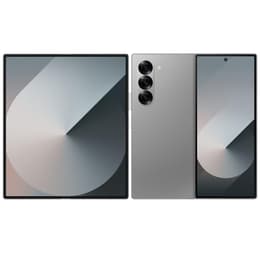
Galaxy Z Fold6
Galaxy Z Fold6
Starting at

Refurbished price:A$1,088.24

Versus A$2,749.00 new

See options
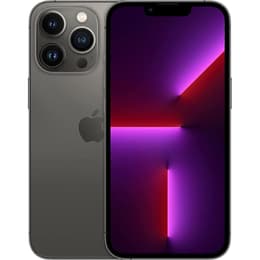
iPhone 13 Pro
iPhone 13 Pro
Starting at

Refurbished price:A$549.00

Versus A$1,539.00 new

See options

Ratings

The Samsung Galaxy Z Fold6, released in July 2024, and the Apple iPhone 13 Pro, launched in September 2021, represent distinct approaches to high-end smartphone design. The primary differentiator lies in their form factor: the Z Fold6 offers a unique foldable display that transforms a compact device into a larger tablet-like screen, while the iPhone 13 Pro maintains a traditional, rigid smartphone design. Both devices operate on different ecosystems, with the Z Fold6 running Android and the iPhone 13 Pro running iOS, influencing their software experience and feature sets.

Scores

Durability

When considering the longevity of these devices, their respective release timelines and software support policies are key factors. The Galaxy Z Fold6, being a newer device from 2024, benefits from a longer expected period of major operating system updates compared to the iPhone 13 Pro, which was released in 2021. Samsung typically provides several years of Android updates for its flagship devices, extending the Z Fold6's software lifespan well into the future.

  • Software Support: The Galaxy Z Fold6 is expected to receive major Android updates for a longer duration due to its more recent release, potentially offering up to seven years of OS support. The iPhone 13 Pro, while still receiving updates, has a shorter remaining support window, typically around five to six years from its launch.
  • Physical Durability: The iPhone 13 Pro features a Ceramic Shield front cover and a robust stainless steel frame, contributing to its overall durability in a traditional slab design. The Galaxy Z Fold6, as a foldable, incorporates a refined hinge design and Gorilla Glass Victus 3 on its cover screen, alongside an Ultra-Thin Glass for the main foldable display.
  • Repairability: Both devices present challenges for repair. The iPhone 13 Pro received an iFixit repairability score of 5 out of 10, with display and battery replacements being more straightforward, though software limitations can complicate third-party repairs. The Galaxy Z Fold6 also has an iFixit score of 5 out of 10, which is considered average for foldable devices, noting the delicate nature of the foldable screen and complex hinge repairs.

Release year

2024

2021

Compatible with latest Update

Yes

Yes

Operating system

Android

iOS

Foldable

Yes

No

Performance

The performance capabilities of the Galaxy Z Fold6 and iPhone 13 Pro reflect their different generations and operating systems, impacting how they handle demanding applications and multitasking.

  • Processing Power: The Galaxy Z Fold6 is equipped with a current-generation processor, paired with 12 GB of RAM, enabling smooth operation for intensive tasks, advanced multitasking, and efficient handling of its dual-screen interface. The iPhone 13 Pro, while featuring a powerful processor for its time with 6 GB of RAM, still delivers a highly responsive user experience for everyday applications and gaming, though it is an older generation.
  • Storage Options: Both devices offer a range of internal storage configurations, from 256 GB up to 1 TB for the Z Fold6, and 128 GB up to 1 TB for the iPhone 13 Pro, providing ample space for apps, media, and documents.
  • Battery Behavior: The Galaxy Z Fold6 houses a 4400 mAh battery, which, despite powering two displays, offers decent endurance for a foldable, with users reporting around 10-12 hours in browsing tests and 7 hours for video streaming. The iPhone 13 Pro, with its 3095 mAh battery, was noted for its excellent battery life at launch, often lasting a full day for many users, achieving around 11-12 hours in web surfing tests.

Memory (GB)

12 GB

6 GB

Screen quality

The display experience is a major point of divergence between these two smartphones, primarily due to the Z Fold6's innovative foldable design.

  • Display Technology and Size: The Galaxy Z Fold6 features two Dynamic AMOLED 2X displays: a 7.6-inch foldable main screen and a 6.3-inch cover screen. This allows for a versatile experience, switching between a traditional smartphone form and a larger tablet-like canvas. The iPhone 13 Pro has a single 6.1-inch Super Retina XDR OLED display.
  • Resolution and Clarity: The Z Fold6's main display offers a resolution of 2160 x 1856 pixels, while its cover screen has 968 x 2376 pixels, both providing sharp visuals. The iPhone 13 Pro's display has a resolution of 2532 x 1170 pixels at 460 pixels per inch, delivering crisp and detailed images.
  • Brightness and Refresh Rate: Both devices offer high brightness levels for good outdoor visibility. The Z Fold6's displays can reach up to 2,600 nits peak brightness, and both support an adaptive 120Hz refresh rate for smooth scrolling and responsiveness. The iPhone 13 Pro features a ProMotion display with an adaptive refresh rate from 10Hz to 120Hz, and a peak HDR brightness of 1200 nits, with typical brightness at 1000 nits.

Resolution

1856 x 2160

1170 x 2532

Screen type

Foldable Dynamic LTPO AMOLED 2X

Super Retina XDR OLED

Audiovisual

Both the Galaxy Z Fold6 and the iPhone 13 Pro offer advanced camera systems, though their strengths and capabilities cater to slightly different user expectations and photographic styles.

  • Rear Camera Systems: The Galaxy Z Fold6 is equipped with a triple rear camera setup, including a 50 MP wide-angle lens with optical image stabilization, a 12 MP ultra-wide lens, and a 10 MP telephoto lens with 3x optical zoom. The iPhone 13 Pro also features a triple 12 MP camera system, comprising a telephoto, wide, and ultra-wide lens, with 3x optical zoom in and sensor-shift optical image stabilization on the wide lens.
  • Photography Performance: The Z Fold6's camera system is considered strong for a foldable device, offering good performance in various conditions, though some reviews suggest it may not match the absolute best traditional flagships in all scenarios, particularly in low light with the ultra-wide lens. The iPhone 13 Pro's camera is highly regarded for its consistent image quality, excellent low-light performance, and features like Macro mode.
  • Video Capabilities: The Galaxy Z Fold6 can record 8K video at 30 frames per second from its primary camera and 4K at 60 frames per second from most cameras. The iPhone 13 Pro offers HDR video recording with Dolby Vision up to 4K at 60 frames per second, and includes features like Cinematic mode for shallow depth-of-field effects and ProRes video recording for professional workflows.

Main camera

50 megapixels

12 megapixels

Front camera

4 megapixels

12 megapixels

Miscellaneous

Beyond core performance and display, several practical elements differentiate the user experience of the Galaxy Z Fold6 and the iPhone 13 Pro.

  • Connectivity and Ports: The Galaxy Z Fold6 supports 5G connectivity and features a USB-C port for charging and data transfer. The iPhone 13 Pro also supports 5G, but utilizes Apple's proprietary Lightning port. The Z Fold6 likely supports newer Wi-Fi and Bluetooth standards given its later release.
  • Biometric Security: The Z Fold6 typically includes a side-mounted fingerprint sensor and facial recognition for secure unlocking. The iPhone 13 Pro relies on Face ID, Apple's advanced facial recognition system, for biometric authentication.
  • Physical Design and Handling: The Galaxy Z Fold6, when folded, is thicker and heavier than the iPhone 13 Pro, weighing 239 grams and measuring 12.1 mm thick. When unfolded, it becomes a much larger, thinner device. The iPhone 13 Pro is a more compact and lighter device at 204 grams and 7.65 mm thick, offering a more traditional one-handed smartphone experience.

Weight

239 oz

203 oz

Screen size (in)

7.6

6,1

Network

5G

5G

SIM card

Dual Physical SIM + eSIM

Physical SIM + eSIM

Carrier compatibility

Unlocked

Unlocked

The choice between the Samsung Galaxy Z Fold6 and the iPhone 13 Pro hinges significantly on user priorities, particularly regarding form factor and ecosystem preference. Users frequently praise the Galaxy Z Fold6 for its innovative foldable display, which offers unparalleled screen real estate for productivity and media consumption in a portable format. However, some users note that while its camera system is excellent for a foldable, it might not always compete with the absolute best traditional smartphones in specific scenarios.

The iPhone 13 Pro, on the other hand, is often lauded for its consistent and reliable performance, highly capable camera system, and the seamless integration within the Apple ecosystem. Users appreciate its robust build and optimized software experience. Some common feedback points to its traditional design as a preference for those not seeking a foldable device.

Users prioritizing a large, adaptable screen for multitasking, content creation, or immersive media viewing may find the Galaxy Z Fold6 well-suited to their needs. Its newer processor and longer expected software support also make it a compelling choice for those seeking the latest technology. Conversely, users who value a compact, highly refined smartphone experience with a top-tier camera and a long-standing reputation for software longevity and ecosystem integration may lean towards the iPhone 13 Pro. Both devices offer a premium experience, and for those considering a more sustainable choice, quality-assured refurbished options are available for both models, providing an eco-friendly alternative.

See all articles

Our recent comparisons