
Compare models

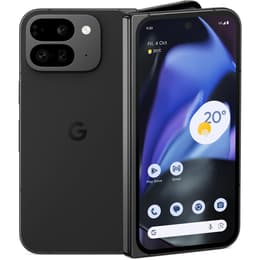
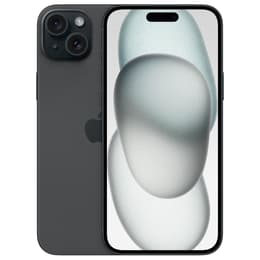
Google Pixel 9 Pro Fold vs iPhone 15 Plus

  • 1-year warranty
  • Free standard shipping
  • Free 30-day returns
Google Pixel 9 Pro Fold
Starting at

Refurbished price:A$1,047.00

Versus A$2,697.00 new

See options
iPhone 15 Plus
iPhone 15 Plus
Starting at

Refurbished price:A$719.00

Versus A$1,399.00 new

See options

Differences at a glance

The Google Pixel 9 Pro Fold, released in September 2024, and the iPhone 15 Plus, launched in September 2023, represent distinct approaches to modern smartphone design and functionality. While the Pixel 9 Pro Fold offers a versatile foldable form factor running on Android, the iPhone 15 Plus provides a traditional large-screen experience powered by iOS. Key differentiators include their display technologies, camera systems, and overall user interaction paradigms.

Scores

Durability

When considering the long-term usability of these devices, their release timelines and software support policies are important factors.

  • Release Timeline: The iPhone 15 Plus was released in September 2023, making it a year older than the Google Pixel 9 Pro Fold, which debuted in September 2024. This difference in launch dates impacts their respective software support cycles. [1, 17]
  • OS Support: Google has committed to providing seven years of OS and security updates for the Pixel 9 Pro Fold, extending support until 2031. The iPhone 15 Plus, while receiving consistent iOS updates, typically has a software support window of around five to six years from its release. [1, 11, 17]
  • Physical Durability: The iPhone 15 Plus features a Ceramic Shield front and an IP68 rating for dust and water resistance, offering robust protection against everyday elements. The Pixel 9 Pro Fold, as a foldable device, has an IPX8 water resistance rating but lacks official dust resistance, and some durability tests have shown its thinner frame can be a point of weakness under significant pressure, though its hinge is noted as sturdy. [2, 15, 18, 24, 34, 38, 44]

Release year

2024

2023

Compatible with latest Update

Yes

Yes

Operating system

Android

iOS

Foldable

Yes

No

Performance

Both devices are engineered to deliver smooth performance for daily tasks, though they achieve this through different hardware architectures.

  • Processing Power: The iPhone 15 Plus is equipped with the A16 Bionic chip, which provides efficient performance for demanding applications and multitasking. The Pixel 9 Pro Fold features Google's Tensor G4 chip, designed to optimize AI-driven features and deliver a responsive Android experience. [2, 3, 4, 5, 6, 17, 25]
  • Multitasking and Storage: The Pixel 9 Pro Fold comes with 16 GB of RAM, offering substantial capacity for extensive multitasking and running numerous applications simultaneously. The iPhone 15 Plus includes 6 GB of RAM, which is optimized by iOS for efficient app management and smooth transitions. Both devices offer storage options up to 512 GB. [3, 4, 5, 6, 12, 17]
  • Battery Behavior: The iPhone 15 Plus, with its 4383 mAh battery, is recognized for its extended battery life, often lasting up to two days with moderate use and comfortably through a full day of heavy usage. The Pixel 9 Pro Fold houses a 4650 mAh battery, and users generally report it can last a full day with typical use, though some find its charging speeds to be slower. [3, 4, 11, 13, 19, 20, 21, 28, 40]

Memory (GB)

16 GB

6 GB

Screen quality

The display experience on these two smartphones differs significantly due to their form factors and underlying technologies.

  • Display Technology and Size: The iPhone 15 Plus features a 6.7-inch Super Retina XDR OLED display, offering vibrant colors and deep blacks in a traditional slab phone design. The Pixel 9 Pro Fold provides a dual-screen experience with an 8.0-inch foldable OLED inner display and a 6.3-inch OLED cover display, allowing for a larger canvas when unfolded. [1, 2, 5, 6, 14, 16, 18, 26, 31, 34, 37]
  • Resolution and Clarity: The iPhone 15 Plus has a resolution of 2796 x 1290 pixels at 460 pixels per inch (ppi), ensuring sharp and detailed visuals. The Pixel 9 Pro Fold's inner display offers a resolution of 2152 x 2076 pixels, while its cover display is 1080 x 2424 pixels, both providing clear imagery suitable for their respective sizes. [1, 2, 5, 6, 14, 18, 31, 34, 37]
  • Brightness and Refresh Rate: Both devices offer high peak brightness levels for good outdoor visibility, with the iPhone 15 Plus reaching up to 2000 nits for outdoor use. The Pixel 9 Pro Fold's inner and cover displays both support a 120Hz refresh rate for smoother scrolling and animations, whereas the iPhone 15 Plus maintains a standard 60Hz refresh rate. [1, 2, 14, 18, 26, 31, 34, 37]

Resolution

2076 x 2152

1290 x 2796

Screen type

Foldable LTPO OLED

Super Retina XDR OLED

Audiovisual

Both smartphones offer advanced camera systems designed to capture high-quality images and videos, each with its own strengths.

  • Rear Camera Systems: The iPhone 15 Plus features a dual-camera setup with a 48 MP main sensor and a 12 MP ultrawide lens, capable of 2x optical-quality zoom. The Pixel 9 Pro Fold boasts a triple-camera system, including a 48 MP main sensor, a 10.5 MP ultrawide lens, and a 10.8 MP telephoto lens with 5x optical zoom. [2, 8, 18, 23, 25, 33, 34, 36]
  • Photography Features: The iPhone 15 Plus incorporates features like Night Mode, Deep Fusion, Smart HDR 5, and Cinematic mode for video, delivering detailed photos and videos with strong computational photography. The Pixel 9 Pro Fold leverages Google's renowned computational photography for excellent image processing, particularly in areas like low-light performance and detail retention, building on the strengths of previous Pixel devices. [8, 16, 23, 29, 34, 39]
  • Video Recording and Front Cameras: Both devices support 4K video recording, with the iPhone 15 Plus offering Dolby Vision HDR. For selfies and video calls, the iPhone 15 Plus has a 12 MP TrueDepth front camera with autofocus, while the Pixel 9 Pro Fold features 10 MP front cameras on both its cover and inner displays. [2, 23, 33, 34, 39]

Main camera

48 megapixels

48 megapixels

Front camera

10 megapixels

12 megapixels

Miscellaneous

Beyond core specifications, several practical elements contribute to the overall user experience of these devices.

  • Connectivity and Ports: Both the Pixel 9 Pro Fold and iPhone 15 Plus support 5G connectivity and modern Wi-Fi standards. A notable change for the iPhone 15 Plus is the adoption of a USB-C port, aligning it with the Pixel 9 Pro Fold, which also uses USB-C for charging and data transfer. [15, 21, 25, 34]
  • Biometric Security: The iPhone 15 Plus relies on Face ID for secure facial recognition. The Pixel 9 Pro Fold typically uses a fingerprint sensor for biometric authentication, offering a different method of secure access.
  • Design and Handling: The iPhone 15 Plus has a traditional large-screen design, measuring 160.9 x 77.8 x 7.8 mm and weighing 201 grams. The Pixel 9 Pro Fold, when folded, measures 155.2 x 77.1 x 10.5 mm and weighs 257 grams, offering a more compact form factor when closed but a heavier feel due to its foldable nature. When unfolded, it provides a larger screen for immersive viewing. [2, 9, 10, 12, 15, 18, 26, 27, 34, 37]

Weight

257 oz

201 oz

Screen size (in)

8.0

6.7

Network

5G

5G

SIM card

Physical SIM + eSIM

Physical SIM + eSIM

Carrier compatibility

Unlocked

Unlocked

What the community thinks

The Google Pixel 9 Pro Fold and the iPhone 15 Plus cater to different user preferences, each excelling in specific areas. User sentiment for the iPhone 15 Plus frequently highlights its exceptional battery life and the reliability of the iOS ecosystem. Many appreciate its large, bright display and the introduction of the Dynamic Island, which enhances interaction. Some common feedback points include the 60Hz refresh rate, which some users find less fluid compared to higher refresh rate displays on other devices. [1, 19, 20, 21, 30]

For the Pixel 9 Pro Fold, users often praise its innovative foldable design, offering a large internal screen for productivity and media consumption, and Google's commitment to long-term software support. The camera system, with its advanced computational photography, is also a strong point. However, concerns have been raised regarding its overall durability as a foldable device, particularly the inner screen's fragility and the lack of dust resistance, as well as some mixed opinions on battery life and charging speed. [17, 24, 28, 35, 38, 40, 42, 44]

Users prioritizing a consistently long battery life, a robust traditional smartphone design, and the established iOS ecosystem may find the iPhone 15 Plus well-suited to their needs. Conversely, individuals seeking a versatile device with a large, immersive foldable display, extensive software support, and Google's AI-powered features will likely lean towards the Pixel 9 Pro Fold. Both devices are available as quality-assured refurbished options, providing an eco-friendly alternative for consumers looking to make informed and sustainable choices.