Compare models
Galaxy A34 vs Galaxy S20 FE
- 1-year warranty
- Free standard shipping
- Free 30-day returns
Differences at a glance
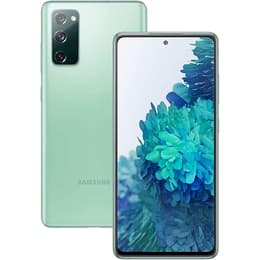
The Samsung Galaxy A34 (2023) and the Samsung Galaxy S20 FE (2020) represent two distinct approaches to accessible smartphone design within Samsung's expansive lineup. While the Galaxy A34 focuses on modern efficiency, a later release year, and extended software support, the Galaxy S20 FE brings flagship-tier historical origins with a heavier emphasis on high-end performance foundations. Both devices run on the Android operating system with Samsung's custom interface, though they occupy different generations of hardware development. Choosing between them depends on whether users prioritize extended software longevity and modern design or versatile processing power and legacy flagship features.
Available Models
Colour
Storage
Scores
Durability
When evaluating the long-term viability and software support of these two devices, release timing and update schedules create distinct differences in lifespan expectations.
- Release timeline and update support: The Galaxy A34 launched significantly later than the Galaxy S20 FE, granting it a much longer window of remaining operating system updates and security patches. Users seeking maximum software longevity will find the newer release model better aligned with long-term ownership.
- Repairability and durability expectations: Both handsets feature sturdy construction, but the Galaxy A34 benefits from newer manufacturing techniques and standardized parts availability. Expected practical lifespans favor the Galaxy A34 primarily due to its extended software support cycle from the manufacturer.
Release year
2023
2020
Compatible with latest Update
Yes
No
Operating system
Android
Android
Foldable
No
No
Performance
Daily usage experiences vary between these two models based on their processing configurations, memory allocations, and thermal behaviors.
- Everyday responsiveness and multitasking: Both devices handle standard communication, web browsing, and media streaming smoothly. The Galaxy S20 FE benefits from a higher-tier historical processor class that manages demanding applications and intensive gaming with strong frame stability, while the Galaxy A34 relies on a newer, efficiency-focused processor that keeps daily navigation fluid.
- Battery behavior and storage: Battery capacities are generous on both models, easily lasting through a full day of standard use under mixed conditions. Users who store large offline media libraries or heavy applications will find expandable storage options useful on both devices, paired with efficient RAM management for switching between multiple open programs.
Screen quality
Visual output and display responsiveness play a major role in the daily user experience of both smartphones.
- Display technology and clarity: Both models feature vibrant OLED panels with deep contrast levels and sharp resolutions suitable for reading, video streaming, and photo viewing. The Galaxy A34 offers a slightly larger canvas with high peak brightness levels for outdoor legibility, while the Galaxy S20 FE delivers comparable pixel density and color reproduction.
- Smoothness and refresh rates: Both devices support high refresh rate capabilities, ensuring that scrolling through menus and web pages appears fluid and responsive. Screen protection and touch sensitivity remain reliable on both variants across varied lighting conditions.
Resolution
1080 x 2340
1080 x 2400
Screen type
Super AMOLED
Super AMOLED
Audiovisual
Imaging and multimedia capabilities differ notably, reflecting the distinct market positioning of each device family during their respective release years.
- Camera system versatility: The Galaxy S20 FE features a dedicated telephoto lens for optical zoom clarity, alongside capable main and ultra-wide sensors. The Galaxy A34 opts for a main, ultra-wide, and macro sensor configuration, omitting optical zoom in favor of standard wide-angle versatility.
- Video and audio performance: Both smartphones capture detailed video footage with digital stabilization and clear audio recording. Speaker output on both models utilizes stereo configurations that provide adequate volume for casual media consumption and hands-free calls.
Main camera
48 megapixels
12 megapixels
Front camera
13 megapixels
32 megapixels
Miscellaneous
Physical dimensions, connectivity standards, and daily handling characteristics help define the ergonomic profile of each smartphone.
- Build materials and handling: The Galaxy A34 features a plastic rear panel and a slightly heavier build profile, whereas the Galaxy S20 FE incorporates a frosted plastic back with aluminum framing. Both devices include water and dust resistance ratings for everyday protection against accidental spills.
- Connectivity and sensors: Modern 5G connectivity, Wi-Fi standards, and Bluetooth protocols are supported across both models. Biometric security is handled via optical in-display fingerprint scanners and facial recognition features on both handsets.
Weight
199 oz
108 oz
Screen size (in)
6,6
6.5
Network
5G
4G
SIM card
Physical SIM
Physical SIM
Carrier compatibility
Unlocked
Unlocked
What the community thinks
Community feedback from actual users highlights distinct preferences for each device based on individual daily needs. Owners of the Galaxy A34 frequently praise its dependable battery life, bright display, and the peace of mind that comes with extended software update timelines. Conversely, users of the Galaxy S20 FE often highlight its stronger historical processing capabilities and the inclusion of a dedicated telephoto camera lens as primary advantages for photography and gaming.
Users prioritizing long-term software support, modern display brightness, and extended update schedules may prefer the Galaxy A34. Meanwhile, users prioritizing versatile camera zoom options and heavier processing power for gaming may lean toward the Galaxy S20 FE. For those looking to make a sustainable choice, a quality-assured refurbished option from Back Market provides a reliable, eco-friendly alternative that extends device lifecycles while reducing electronic waste. Ultimately, weighing software longevity against processing power will guide the right decision for your specific use case.