
Galaxy A35 vs Motorola Edge 30 Fusion

Galaxy A35
Galaxy A35
See options
Motorola Edge 30 Fusion
Starting at

Refurbished price:A$257.46

Versus A$1,352.00 new

See options

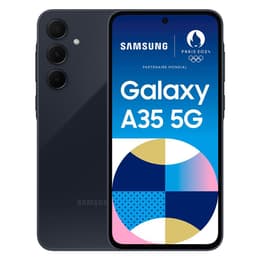
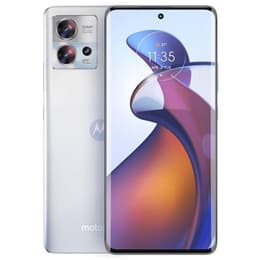
The Samsung Galaxy A35 and the Motorola Edge 30 Fusion are two smartphones that cater to different user priorities, despite both offering a comprehensive Android experience. The Galaxy A35, released in March 2024, focuses on extended software support and a robust battery, while the Motorola Edge 30 Fusion, launched in September 2022, emphasizes a high refresh rate display and rapid charging capabilities. Both devices run on the Android operating system, providing access to a wide ecosystem of applications and services.

Scores

Durability

When considering the long-term usability of a smartphone, factors like release date, software support, and physical durability play a significant role. These aspects determine how long a device remains functional and secure.

  • Release Timeline: The Samsung Galaxy A35 was released in March 2024, making it a newer device compared to the Motorola Edge 30 Fusion, which launched in September 2022. This difference in release dates impacts their respective software support cycles.
  • Software Longevity: The Galaxy A35 is promised four major Android OS upgrades and five years of security updates, extending its software support until approximately 2029. In contrast, the Motorola Edge 30 Fusion received two major OS upgrades (up to Android 14) and three years of security patches from its release.
  • Durability Features: The Galaxy A35 features an IP67 rating for dust and water resistance, along with Corning Gorilla Glass Victus Plus for screen protection. The Edge 30 Fusion offers splash and dust resistance with an IP52 rating and Corning Gorilla Glass 5.

Release year

2024

2022

Operating system

Android

Android

Foldable

No

No

Performance

The performance of a smartphone is crucial for daily tasks, from navigating apps to engaging in more demanding activities like gaming. Both devices offer capable hardware, but their real-world responsiveness can differ.

  • System Responsiveness: The Motorola Edge 30 Fusion, with its capable processor, generally provides a very smooth and responsive user experience for everyday tasks and multitasking. The Galaxy A35 also offers smooth performance for daily use, though some users have reported occasional minor lags when opening heavier applications.
  • Multitasking and Storage: Both phones are available with 8GB of RAM, which is sufficient for handling multiple applications simultaneously. The Galaxy A35 offers 128GB or 256GB of internal storage and supports microSD card expansion up to 1TB, providing flexibility for users who need more space. The Edge 30 Fusion comes with 128GB, 256GB, or 512GB storage options but does not support expandable storage.
  • Battery Behavior: The Galaxy A35 is equipped with a larger 5000mAh battery, which generally provides decent battery life, with some users reporting it lasting through a full day of average use. The Motorola Edge 30 Fusion has a 4400mAh battery, and while smaller, many users find its battery life to be solid, especially with its 68W fast charging capability.

Memory (GB)

6 GB

8 GB

Screen quality

The display is a primary interface for smartphone interaction, and both the Galaxy A35 and Edge 30 Fusion offer vibrant viewing experiences with distinct characteristics.

  • Display Technology and Clarity: The Samsung Galaxy A35 features a 6.6-inch Super AMOLED display, known for its deep blacks and vibrant colors, with a resolution of 2340x1080 pixels. The Motorola Edge 30 Fusion sports a 6.55-inch P-OLED display, offering similar benefits in color reproduction and contrast, with a resolution of 2400x1080 pixels.
  • Refresh Rate and Smoothness: The Galaxy A35 provides a 120Hz refresh rate, contributing to smooth scrolling and a fluid visual experience. The Edge 30 Fusion surpasses this with a 144Hz refresh rate, which can result in even smoother animations and a more responsive feel, particularly noticeable during fast-paced content or gaming.
  • Brightness and Viewing Experience: Both displays offer good brightness levels for indoor use. The Galaxy A35's display is generally considered vibrant, though some users note that outdoor visibility can be impacted by washed-out colors in direct sunlight. The Edge 30 Fusion's P-OLED display is praised for its brightness and vibrant output, making it suitable for various lighting conditions.

Resolution

1080x2340

1080 x 2400

Audiovisual

Camera capabilities are a significant consideration for many users, and both smartphones offer versatile camera systems for capturing photos and videos.

  • Rear Camera System: The Samsung Galaxy A35 features a triple rear camera setup, including a 50MP main sensor with Optical Image Stabilization (OIS), an 8MP ultrawide lens, and a 5MP macro lens. The Motorola Edge 30 Fusion also has a triple rear camera system, comprising a 50MP main sensor with OIS, a 13MP ultrawide lens, and a 2MP depth sensor.
  • Photography Performance: The Galaxy A35 generally produces good daylight photos with vibrant, saturated colors, and its main camera performs well. The Edge 30 Fusion's main camera also takes good pictures, with users often praising its overall performance, though some find the ultrawide and low-light performance to be less consistent.
  • Front Camera and Video: For selfies, the Galaxy A35 is equipped with a 13MP front camera. The Edge 30 Fusion offers a higher resolution 32MP front camera, which can capture more detailed selfies. Both devices are capable of recording video in 4K resolution at 30 frames per second with their main cameras.

Miscellaneous

Beyond core features, several practical elements contribute to the overall user experience, including connectivity, physical design, and additional functionalities.

  • Connectivity and Ports: Both the Galaxy A35 and Edge 30 Fusion support 5G connectivity for fast mobile data. The Galaxy A35 features Bluetooth 5.3, while the Edge 30 Fusion uses Bluetooth 5.2. Both devices utilize a USB Type-C port for charging and data transfer, though the Edge 30 Fusion's USB version (v3.1) is generally faster than the A35's (v2.0). Neither phone includes a traditional 3.5mm headphone jack.
  • Physical Design and Handling: The Galaxy A35 measures 161.70 x 78.00 x 8.20mm and weighs 209g, featuring a metal body. Some users find it to be a bit bulky or heavy. The Edge 30 Fusion is more compact and lighter at 158.48 x 71.99 x 7.45mm and 168g, with a sleek design and matte aluminum sides.
  • Security and Other Features: Both phones include an in-display fingerprint sensor for secure unlocking. The Galaxy A35 also supports expandable storage via microSD, a feature absent in the Edge 30 Fusion.

Weight

209 oz

168 oz

Screen size (in)

6.6

6,55

Network

5G

5G

SIM card

Physical SIM + eSIM

Dual Physical SIM

Carrier compatibility

Unlocked

Unlocked

The Samsung Galaxy A35 and Motorola Edge 30 Fusion present distinct propositions for Android smartphone users. User feedback for the Galaxy A35 often highlights its vibrant display, good daylight camera performance, and the benefit of extended software support. Some common criticisms include occasional performance stutters and a potentially bulky feel. Users appreciate its robust build with IP67 water and dust resistance.

Conversely, the Motorola Edge 30 Fusion is frequently praised for its premium build quality, exceptionally smooth 144Hz display, and rapid charging capabilities. Its performance is generally considered very fluid, though some users have noted that its camera performance in low light or with the ultrawide lens can be inconsistent, and RAM management has been a point of discussion.

Users prioritizing long-term software updates and a larger battery capacity, along with expandable storage and enhanced water resistance, may find the Samsung Galaxy A35 to be a more suitable choice. Its newer release date also provides a longer window for future updates. On the other hand, individuals who value a sleeker, lighter design, a higher refresh rate display for an ultra-smooth visual experience, and significantly faster charging will likely lean towards the Motorola Edge 30 Fusion. Both devices offer a compelling Android experience, and considering a quality-assured refurbished option for either model can provide an eco-friendly alternative to new purchases.


See all articles

Our recent comparisons