
Galaxy A23 vs Nokia X30

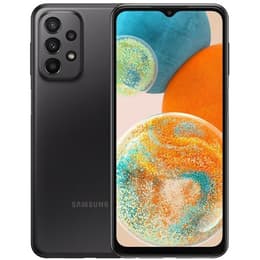
Galaxy A23
Galaxy A23
See options
Nokia X30
Nokia X30
Starting at

Refurbished price:A$299.00

Versus A$965.00 new

See options

The Samsung Galaxy A23 and the Nokia X30 are both mid-range smartphones released in 2022, offering distinct approaches to design, performance, and user experience. While the Galaxy A23 focuses on a large display and extensive battery capacity, the Nokia X30 emphasizes a more compact form factor, an advanced display, and a commitment to software longevity.

Scores

Durability

The expected lifespan of a smartphone is influenced by its release date, software support, and physical durability. Both devices launched with Android 12, but their update policies differ.

  • Release Timeline: The Samsung Galaxy A23 was released in March 2022, while the Nokia X30 followed in September 2022. This six-month difference means the Nokia X30 is a slightly newer device.
  • Software Longevity: The Galaxy A23 (specifically the 5G variant) has received updates up to Android 15 and is expected to receive four years of security updates. The Nokia X30 launched with a promise of three years of OS updates and monthly security updates, and has been updated to Android 14, though Android 15 is reportedly not coming. This suggests the Galaxy A23 may offer a longer period of major Android version support.
  • Repairability: The Samsung Galaxy A23 has a repairability score of 6.75 out of 10 or 8.1 out of 10, indicating it is relatively repairable, particularly for components like the battery and back plate. Nokia as a brand generally shows a higher fix rate compared to Samsung in overall repair data.

Release year

2022

2022

Compatible with latest Update

Yes

No

Operating system

Android

Android

Foldable

No

No

Performance

Performance in daily use is a key differentiator, impacting how smoothly applications run and how effectively users can multitask.

  • Everyday Responsiveness: The Nokia X30, powered by a current-generation processor, generally offers a smooth experience for everyday tasks and moderate multitasking. The Galaxy A23, depending on its variant, can handle basic tasks, but some users have reported noticeable lag and sluggishness, especially with the 4GB RAM versions or when multitasking heavily.
  • Storage and Multitasking: Both devices offer various RAM and storage configurations. The Galaxy A23 is available with 4GB, 6GB, or 8GB of RAM and 64GB or 128GB of internal storage, with expandable storage via microSD. The Nokia X30 comes with 6GB or 8GB of RAM and 128GB or 256GB of storage, but lacks a microSD card slot. Users who frequently switch between many applications or require extensive local storage might find the Nokia X30's higher base RAM and storage options beneficial, while the Galaxy A23 offers the flexibility of expandable storage.
  • Battery Behavior: The Samsung Galaxy A23 features a larger 5000mAh battery, which users often report provides excellent endurance, frequently lasting a full day or even two with moderate use. The Nokia X30 has a 4200mAh battery, which also provides good battery life, typically lasting a full day of moderate usage. Both support fast charging, with the Nokia X30 offering 33W charging and the Galaxy A23 supporting up to 25W.

Memory (GB)

4 GB

8 GB

Screen quality

The display is the primary interface for smartphone interaction, and differences in technology and specifications can significantly affect the viewing experience.

  • Display Technology and Clarity: The Nokia X30 features a 6.43-inch AMOLED display, known for its deep blacks, vibrant colors, and good contrast. The Samsung Galaxy A23 uses a 6.6-inch PLS TFT LCD panel. While the Galaxy A23's display offers a large viewing area and a good resolution of 1080x2408 pixels, the Nokia X30's AMOLED technology generally provides a more visually engaging experience.
  • Brightness and Refresh Rate: Both devices offer a 90Hz refresh rate, contributing to smoother scrolling and a more fluid user interface. The Nokia X30's display can reach a peak brightness of 700 nits, which aids visibility in brighter outdoor conditions. The Galaxy A23's LCD panel, while generally bright enough for indoor use, may not match the outdoor visibility of the Nokia X30's AMOLED screen.
  • Screen Protection: The Nokia X30 benefits from Corning Gorilla Glass Victus for enhanced scratch and drop resistance. The Samsung Galaxy A23 is protected by Corning Gorilla Glass 5.

Resolution

1080 x 2408

1080 x 2400

Screen type

PLS LCD

AMOLED

Audiovisual

Camera capabilities are a significant factor for many users, with both devices offering multi-lens setups for varied photography.

  • Main Camera Performance: Both phones feature a 50MP main camera. The Samsung Galaxy A23's 50MP main sensor includes Optical Image Stabilization (OIS). The Nokia X30 also has a 50MP main camera with OIS, and users have praised its performance in both daylight and low-light conditions, noting good detail and natural colors.
  • Low-Light and Video Quality: The Nokia X30 is noted for its impressive low-light photography, utilizing features like 'Dark Vision' mode to capture detail in very dim environments. The Galaxy A23's camera performs decently in good lighting, but images can appear grainy in low-light situations. For video recording, both devices support 1080p resolution at 30 frames per second, with the Nokia X30 also offering 1080p at 60fps on its main camera. Neither phone supports 4K video recording.
  • Additional Lenses and Front Camera: The Galaxy A23 includes a 5MP ultrawide, 2MP macro, and 2MP depth sensor, alongside an 8MP front camera. The Nokia X30 has a 13MP ultrawide camera and a 16MP front camera. The Nokia X30's ultrawide camera is noted for its ability to combine information from the main sensor for sharper results.

Main camera

50 megapixels

50 megapixels

Front camera

8 megapixels

16 megapixels

Miscellaneous

Beyond core features, several practical elements contribute to the overall user experience and device utility.

  • Connectivity and Ports: The Nokia X30 supports 5G connectivity and Wi-Fi 6, offering faster mobile data and wireless internet speeds. The Samsung Galaxy A23 is available in both 4G and 5G variants, with Wi-Fi 5 support. Both devices feature a USB-C 2.0 port. The Galaxy A23 retains a 3.5mm headphone jack, which is absent on the Nokia X30.
  • Biometric Security: The Nokia X30 incorporates an under-display optical fingerprint sensor. The Samsung Galaxy A23 features a side-mounted fingerprint sensor, integrated into the power button.
  • Build Materials and Durability: The Nokia X30 features an aluminum frame and a plastic back, with an IP67 rating for dust and water resistance, meaning it can withstand submersion in up to 1 meter of water for 30 minutes. It also incorporates recycled materials in its construction. The Samsung Galaxy A23 has a plastic frame and back, with no official IP rating. The Nokia X30 is slightly lighter at 185g compared to the Galaxy A23's 195g.

Weight

195 oz

185 oz

Screen size (in)

6.6

6.43

Network

4G

5G

SIM card

Dual Physical SIM

Dual Physical SIM

Carrier compatibility

Unlocked

Unlocked

Choosing between the Samsung Galaxy A23 and the Nokia X30 involves weighing different priorities in smartphone usage. User feedback for the Galaxy A23 often highlights its strong battery life and large display as positive aspects. However, some users have expressed concerns about its performance, describing it as slow or laggy, particularly with lower RAM configurations, and have noted that the camera can struggle in low light.

The Nokia X30 generally receives praise for its vibrant AMOLED display, impressive camera performance, especially in low light, and its more robust build quality with an IP67 rating. Criticisms sometimes point to its performance not being competitive for its segment, the absence of a headphone jack and expandable storage, and the reported deviation from its initial software update promise.

Users prioritizing extended battery life, a larger screen, and the flexibility of expandable storage may find the Samsung Galaxy A23 better suited to their needs. Conversely, those who value a superior display, enhanced low-light photography, a more premium and water-resistant build, and a commitment to using recycled materials might lean towards the Nokia X30. Both devices offer a solid foundation for daily use, and considering a quality-assured refurbished option for either model can be a sustainable choice for consumers.
See all articles

Our recent comparisons