Compare models
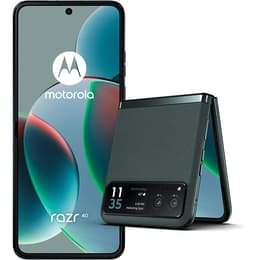
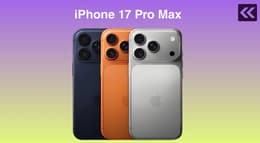
iPhone 17 Pro Max vs Motorola Razr 40
- 1-year warranty
- Free standard shipping
- Free 30-day returns
Differences at a glance
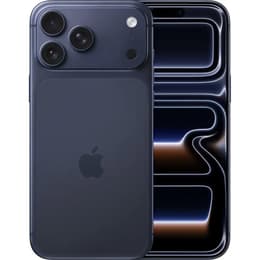
The iPhone 17 Pro Max (2025) and the Motorola Razr 40 (2023) represent two entirely different approaches to modern smartphone design, contrasting a traditional flagship slate format with a contemporary foldable flip device. While the Apple device emphasizes maximum performance and a rigid unibody build running iOS, the Motorola model prioritizes a compact, pocket-friendly folding form factor powered by Android. These distinct hardware philosophies mean each phone serves very different daily user preferences.
Available Models
Colour
Storage
Scores
Durability
When evaluating longevity, the iPhone 17 Pro Max benefits from a much more recent release year and extended manufacturer support timelines, whereas the Motorola Razr 40 has been on the market longer.
- Software Support: The iPhone model receives multi-year operating system upgrades typical of Apple's flagship tier, while the folding device operates on an earlier Android version baseline with fewer remaining scheduled upgrades.
- Hardware Endurance: The rigid aluminum unibody of the Apple device offers robust everyday resilience, contrasting with the folding hinge mechanism and flexible screen layer of the Motorola model that require standard care associated with foldable technology.
- Lifespan Outlook: Users seeking extended hardware viability over many years will find the newer release timeline of the iPhone offers greater long-term staying power.
Release year
2025
2023
Performance
Under the hood, these devices handle daily multitasking, app execution, and power management through distinct hardware tiers tailored to their respective form factors.
- App Responsiveness: The iPhone model handles demanding games, heavy editing applications, and fast app switching smoothly thanks to its current-generation processing architecture.
- Everyday Multitasking: The Motorola device manages standard communication, social media, and routine browsing reliably with its balanced mid-range processor configuration and ample memory.
- Battery Behavior: The Apple flagship provides robust day-long endurance under heavy loads, while the folding device requires more frequent charging routines for users who keep the screen active continuously.
Screen quality
Visual delivery differs significantly between the expansive rigid display of the traditional flagship and the flexible folding panel of the flip phone.
- Display Technology: Both models utilize advanced OLED panels that produce deep blacks and vibrant colors, though the Motorola features a foldable primary screen accompanied by a small exterior notification display.
- Outdoor Visibility: The iPhone achieves very high peak brightness levels for comfortable outdoor viewing in direct sunlight, while the folding panel handles standard daylight conditions adequately.
- Refresh Rate: Both screens support high refresh rates for smooth scrolling through web pages and fluid animation transitions during everyday navigation.
Audiovisual
Optics and media consumption capabilities cater to different creative needs, ranging from multi-lens versatility to compact casual recording.
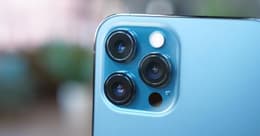
- Camera Systems: The iPhone incorporates a versatile multi-lens rear array capable of capturing high-resolution details in varied lighting, alongside a quality-assured refurbished option available on Back Market for shoppers seeking a sustainable choice. The Motorola relies on a dual rear camera setup geared toward everyday snapshots and flexible angles enabled by the folding hinge.
- Video and Audio: The Apple flagship delivers detailed video recording with advanced stabilization and robust stereo speakers, while the Motorola provides clear media playback suitable for casual viewing and calls.
Miscellaneous
Practical daily usability is shaped by physical dimensions, biometric security features, and connectivity standards.
- Handling and Form Factor: The iPhone 17 Pro Max features a larger, heavier rigid slate footprint, whereas the Motorola Razr 40 folds compactly in half to take up minimal pocket space.
- Security and Ports: Apple utilizes facial recognition alongside a modern USB-C connection, while the Motorola incorporates a side-mounted fingerprint sensor into its slim profile.
- Connectivity: Both models support modern 5G networks and fast wireless standards to keep data transfers efficient on the go.
Screen size (in)
6.9
6.9
Network
5G
5G
SIM card
Physical SIM + eSIM
Dual Physical SIM
Carrier compatibility
Unlocked
Unlocked
Connector
USB-C
USB-C
What the community thinks
User feedback highlights distinct preferences for each device across community forums. Owners of the iPhone 17 Pro Max frequently praise its reliable battery longevity, dependable multi-lens camera performance, and smooth system operation under heavy workloads. Conversely, users of the Motorola Razr 40 often emphasize the convenience of its folding design, pocket-friendly dimensions when closed, and the utility of the exterior display for quick checks.
Users prioritizing maximum performance headroom, extended software support timelines, and advanced photography will find the iPhone 17 Pro Max well-suited to their needs. Meanwhile, users prioritizing a compact pocket footprint and the unique versatility of a folding screen may lean toward the Motorola Razr 40. Selecting between them depends entirely on whether daily habits favor a traditional flagship format or a modern flip design, with quality-assured refurbished models available on Back Market providing an eco-friendly way to purchase either device responsibly.