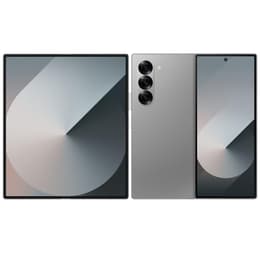

Galaxy S21 5G vs Galaxy Z Fold6

Galaxy S21 5G
Galaxy S21 5G
Starting at

Refurbished price:A$318.00

Versus A$1,369.00 new

See options
Galaxy Z Fold6
Galaxy Z Fold6
Starting at

Refurbished price:A$1,088.24

Versus A$2,749.00 new

See options

Ratings

The Samsung Galaxy S21 5G, released in January 2021, is a traditional smartphone that offers a premium experience in a compact form factor. In contrast, the Samsung Galaxy Z Fold6, launched in July 2024, represents a significant evolution in mobile technology with its innovative foldable design. These devices cater to different user preferences, with the S21 5G focusing on a conventional, streamlined smartphone experience and the Z Fold6 providing an expansive, tablet-like display for enhanced productivity and media consumption.

Scores

Durability

The expected practical lifespan of a smartphone is influenced by its physical durability and the duration of software support it receives.

  • Release Timeline: The Galaxy S21 5G was released in early 2021, while the Galaxy Z Fold6 launched in mid-2024. This three-and-a-half-year difference means the Z Fold6 benefits from a significantly longer period of ongoing software and security updates.
  • Software Longevity: The Galaxy S21 5G received approximately three major Android operating system updates and four years of security updates. The Galaxy Z Fold6, being a more recent flagship, is promised seven years of software and security updates, extending its usable life well into the future.
  • Physical Resilience: The Galaxy S21 5G features Gorilla Glass Victus protection on its display and an IP68 rating for dust and water resistance. The Galaxy Z Fold6 incorporates an enhanced Armor Aluminum frame and Gorilla Glass Victus 2 on its cover screen, offering robust protection. However, its foldable inner screen, made of Ultra Thin Glass (UTG) and plastic, is more susceptible to scratches than a traditional glass display. The Z Fold6 has an IPX8 water resistance rating, meaning it can withstand submersion but lacks official dust resistance, a common characteristic of foldable devices.

Release year

2021

2024

Compatible with latest Update

Yes

Yes

Operating system

Android

Android

Foldable

No

Yes

Performance

Both devices are equipped with powerful processors designed to handle demanding applications, though their capabilities reflect their respective release eras.

  • Processing Power: The Galaxy S21 5G is powered by a high-performance processor from its generation, enabling smooth operation for everyday tasks, multitasking, and mobile gaming. The Galaxy Z Fold6 features a current-generation processor optimized for Galaxy devices, delivering significantly faster CPU, GPU, and NPU performance compared to its predecessors. This results in exceptionally fluid performance for intensive applications, advanced multitasking, and integrated artificial intelligence features.
  • Multitasking and Storage: The Galaxy S21 5G typically comes with 8GB of RAM and storage options up to 256GB, sufficient for most users. The Galaxy Z Fold6 is equipped with 12GB of RAM and offers storage configurations up to 1TB, providing ample capacity for extensive multitasking and storing large files and applications.
  • Battery Behavior: The Galaxy S21 5G houses a 4000 mAh battery, generally providing a full day of moderate use. The Galaxy Z Fold6 has a 4400 mAh battery, which, despite powering two displays, is designed to last a full day for most users, with performance similar to its immediate predecessor.

Memory (GB)

8 GB

12 GB

Screen quality

The display experience on these two devices differs significantly due to their fundamental design philosophies.

  • Display Technology and Size: The Galaxy S21 5G features a 6.2-inch Dynamic AMOLED 2X flat display, offering vibrant colors and deep blacks. The Galaxy Z Fold6, on the other hand, boasts two Dynamic LTPO AMOLED 2X displays: a 6.3-inch cover screen and a large 7.6-inch foldable inner screen. The wider aspect ratio of the Z Fold6's cover screen makes it more usable for daily tasks when folded, while the expansive inner screen provides a tablet-like viewing area.
  • Resolution and Brightness: The S21 5G's display has a Full HD+ resolution (2400 x 1080 pixels) and a peak brightness of 1300 nits, ensuring clear visuals and good outdoor visibility. The Z Fold6's displays offer higher resolutions (2376 x 968 for the cover, 2160 x 1856 for the main) and a significantly brighter peak of 2600 nits, enhancing visibility even in direct sunlight.
  • Refresh Rate: Both devices feature an adaptive 120Hz refresh rate, providing smooth scrolling and responsive interactions.

Resolution

1080 x 2400

1856 x 2160

Screen type

Dynamic AMOLED 2X

Foldable Dynamic LTPO AMOLED 2X

Audiovisual

Both smartphones offer versatile camera systems, though the Z Fold6 benefits from more recent advancements in image processing and sensor technology.

  • Rear Camera Systems: The Galaxy S21 5G includes a triple camera setup with a 12MP main, 12MP ultrawide, and 64MP telephoto lens, capable of 3x hybrid optical zoom and 8K video recording. The Galaxy Z Fold6 also features a triple rear camera system, comprising a 50MP main sensor with optical image stabilization (OIS), a 12MP ultrawide, and a 10MP telephoto lens with 3x optical zoom and OIS.
  • Photography Performance: The S21 5G delivers strong performance for everyday photography and video, with features like Director's View and Pro Video mode. The Z Fold6's camera system is competent, capturing good detail and vibrant colors in most situations, with an improved ultrawide camera for better low-light performance. However, some users note that while capable, the Z Fold6's cameras may not match the absolute best in terms of zoom or low-light performance when compared to dedicated slab-style flagship phones.
  • Front-Facing Cameras: The S21 5G has a 10MP front camera. The Z Fold6 features a 10MP cover camera and a 4MP under-display camera on the main screen, offering flexibility for selfies and video calls.

Main camera

12 megapixels

50 megapixels

Front camera

10 megapixels

4 megapixels

Miscellaneous

Beyond core specifications, several practical elements differentiate these two Samsung devices, impacting daily usability and connectivity.

  • Connectivity and Ports: Both devices support 5G connectivity. The Galaxy S21 5G includes Wi-Fi 6 and Bluetooth 5.0. The newer Galaxy Z Fold6 upgrades to Wi-Fi 6E and Bluetooth 5.3, offering potentially faster and more stable wireless connections. Both utilize a USB-C port for charging and data transfer, with the Z Fold6 featuring USB-C 3.2. Neither device includes a 3.5mm headphone jack.
  • Biometric Security: The Galaxy S21 5G uses an in-display ultrasonic fingerprint sensor. The Galaxy Z Fold6 integrates a side-mounted fingerprint sensor into the power button. Both also offer face recognition for unlocking.
  • Design and Handling: The Galaxy S21 5G has a conventional smartphone form factor, weighing 169g and featuring a plastic back. The Galaxy Z Fold6 is a significantly larger and heavier device at 239g, with a unique foldable design that transforms from a compact phone to a tablet. It supports S Pen input, though the stylus is sold separately and does not have an integrated storage slot.

Weight

169 oz

239 oz

Screen size (in)

6.2

7.6

Network

5G

5G

SIM card

Physical SIM + eSIM

Dual Physical SIM + eSIM

Carrier compatibility

Unlocked

Unlocked

The Samsung Galaxy S21 5G and Galaxy Z Fold6 cater to distinct user needs, reflecting their different design philosophies and release timelines. Users often praise the Galaxy S21 5G for its balanced performance, capable camera system, and comfortable, traditional smartphone form factor. Its compact size and reliable operation made it a popular choice for those seeking a premium, non-foldable device. Some common criticisms, particularly in later years, revolved around its plastic back panel and the eventual end of major software updates.

The Galaxy Z Fold6, conversely, is frequently lauded for its innovative foldable design, offering an expansive screen for multitasking and media consumption that significantly enhances productivity and entertainment. Users appreciate the wider and more usable cover screen, the powerful performance for demanding applications, and the extended software support. However, some user concerns include the continued presence of a visible crease on the inner display, the camera system not always matching the absolute best in traditional flagships, and its larger, heavier build compared to standard smartphones.

Users prioritizing a familiar, pocketable form factor with solid performance and a reliable camera for everyday use may find the Galaxy S21 5G well-suited to their needs. It remains a capable device for communication, social media, and general productivity. For individuals who require a larger screen for immersive media, extensive multitasking, or creative work, and who value the cutting-edge technology of a foldable device, the Galaxy Z Fold6 presents a compelling option. Its enhanced processing power and long-term software support also make it a strong choice for those seeking a device with extended longevity. Both models are available as quality-assured refurbished options, providing an eco-friendly alternative for consumers.
See all articles

Our recent comparisons