
Compare models

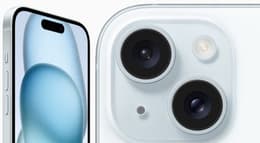
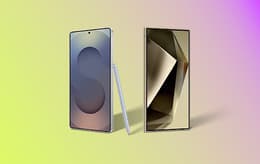
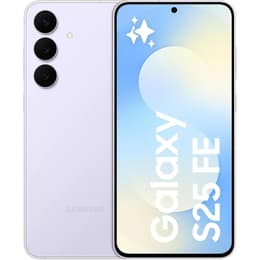
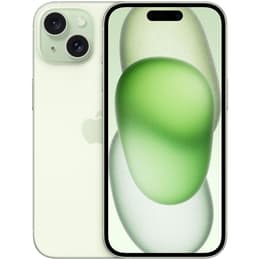
Galaxy S25 FE vs iPhone 15

  • 1-year warranty
  • Free standard shipping
  • Free 30-day returns
Galaxy S25 FE
Starting at

Refurbished price:A$699.00

Versus A$1,199.00 new

See options
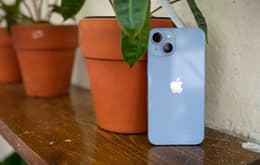
iPhone 15
Starting at

Refurbished price:A$663.00

Versus A$1,249.00 new

See options

Differences at a glance

The Samsung Galaxy S25 FE (2025) and the Apple iPhone 15 (2023) represent two popular smartphone choices occupying the space between standard models and flagship releases. While the iPhone 15 runs on Apple's proprietary software ecosystem, the Galaxy S25 FE operates on Google's Android platform, offering different user interfaces and customization options. Deciding between these two devices often comes down to personal software preferences and screen size choices.

Available Models

Colour

Storage (GB)

Scores

Durability

When examining longevity and software support, both devices are built to receive long-term updates, though their release schedules place them at slightly different points in their lifecycles.

  • Software Support Duration: Both manufacturers provide multi-year operating system updates and security patches, helping maintain software compatibility and security over several years of daily ownership.
  • Repairability and Build Longevity: Both phones utilize sturdy construction materials with dust and water resistance ratings, though repair options vary depending on local service availability and quality-assured refurbished parts providers.

Release year

2025

2023

Operating system

Android

iOS

Foldable

No

No

Performance

Both smartphones handle demanding daily applications, web browsing, and casual gaming smoothly, though their memory management and multitasking capabilities differ slightly under heavy use.

  • Multitasking and Responsiveness: Each model switches between apps without noticeable lag, supported by optimized hardware and sufficient memory allocation for everyday workflows.
  • Battery Behavior: Both devices generally manage power efficiently enough to last through a standard day of mixed use, though heavy media consumption or navigation may require a midday recharge.

Screen quality

The visual experience differs primarily in physical dimensions and display technology implementation between the two manufacturers.

  • Display Technology: Both models utilize vibrant panels with deep contrast levels and high peak brightness capabilities, ensuring clear visibility under direct sunlight.
  • Refresh Rates and Smoothness: Scrolling and animation rendering appear fluid on both screens, contributing to a responsive visual experience during everyday interactions.

Resolution

1080x2340

1179 x 2556

Audiovisual

Photography and media capture capabilities vary in processing style and lens configurations across both handset options.

  • Main and Supplementary Lenses: Both systems capture detailed photographs in well-lit environments and offer reliable stabilization for video recording, while handling low-light scenes using automated processing.
  • Audio and Media Output: Built-in stereo speakers deliver clear sound for hands-free calls and casual video viewing, complemented by responsive microphones that isolate background noise during voice calls.

Miscellaneous

Practical physical and connectivity traits define how each device integrates into daily travel and accessory ecosystems.

  • Connectivity and Ports: Both models support modern fifth-generation cellular networks and standard wireless protocols, utilizing universally adopted charging port standards for wired connections.
  • Physical Handling: Weight distribution and body dimensions differ, making one model feel slightly more compact in smaller hands while the other provides a more expansive viewing area.

Weight

190 oz

171 oz

Screen size (in)

6.7

6.1

Network

5G

5G

SIM card

Physical SIM + eSIM

Physical SIM + eSIM

Carrier compatibility

Unlocked

Unlocked

What the community thinks

User feedback from online communities highlights distinct preferences for each device. Owners of the iPhone 15 frequently praise its streamlined operating system, reliable camera performance, and compact physical footprint. Conversely, Galaxy S25 FE users often emphasize appreciation for the larger display area, flexible customization features, and integration with broader Android accessory ecosystems. Common concerns for both models typically center on battery degradation over years of heavy use and the absence of expandable storage slots.

Users prioritizing a streamlined ecosystem and smaller form factor may prefer the iPhone 15, while users prioritizing screen estate and operating system flexibility often lean toward the Galaxy S25 FE. Exploring a quality-assured refurbished option can also provide a sustainable choice for buyers looking to reduce electronic waste. Selecting the right model ultimately depends on which operating environment aligns best with daily habits and personal preferences.