
iPhone
Compare models
Differences at a glance
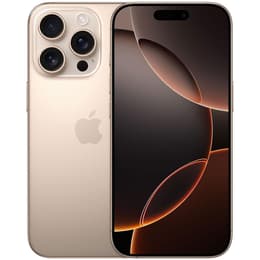
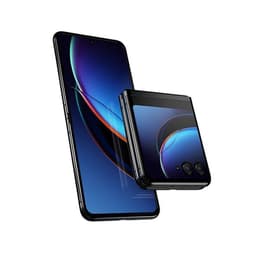
The iPhone 16 Pro, released in September 2024, represents Apple's latest iteration of its high-end smartphone line, offering a traditional slab design with advanced internal components. In contrast, the Motorola Razr 40 Ultra, launched in July 2023, stands out with its distinctive foldable clamshell form factor, bringing a blend of nostalgia and modern technology to the Android ecosystem. These devices cater to different user preferences, primarily differing in their physical design and operating system experiences.
Colour
Storage
When considering the practical lifespan of these devices, several factors come into play, including software support, physical resilience, and the inherent nature of their designs.
Release year
Compatible with latest Update
Foldable
The performance of a smartphone is crucial for daily tasks, from app usage to demanding multimedia. Both devices offer capable performance, though they approach it with different hardware generations.
The display is a primary interface for any smartphone, and these two devices offer distinct visual experiences, particularly due to their form factors.
Resolution
Screen type
Camera capabilities are a significant consideration for many users, and both devices offer advanced systems, albeit with different strengths and features.
Main camera
Front camera
Beyond core performance and display, several practical elements contribute to the overall user experience and daily utility of these smartphones.
Weight
Screen size (in)
Network
SIM card
Carrier compatibility
The iPhone 16 Pro and Motorola Razr 40 Ultra cater to distinct user needs, each excelling in different areas. Users often praise the iPhone 16 Pro for its consistent performance, advanced camera system, and the robust, long-term software support provided by Apple. Its display quality and overall system responsiveness are frequently highlighted as strong points. Some common criticisms, if any, tend to be around its incremental design changes or the closed nature of its ecosystem for those accustomed to more customization.
The Motorola Razr 40 Ultra receives considerable acclaim for its innovative foldable design and the highly functional external display, which many users find incredibly convenient for quick interactions without opening the device. Its compact form factor when folded is a significant draw. However, some users have noted that its camera performance, while good for casual use, may not match the advanced capabilities of traditional flagships, and concerns about the long-term durability of foldable screens, though improving, can still be a consideration for some.
Users prioritizing a cutting-edge camera system, extended software longevity, and a consistently powerful, traditional smartphone experience may find the iPhone 16 Pro well-suited to their needs. Its robust build and ecosystem integration are also strong factors. Conversely, users who value a unique, compact form factor, a highly interactive external display, and the flexibility of a foldable device will likely lean towards the Motorola Razr 40 Ultra. It offers a fresh approach to smartphone interaction and portability. Both devices represent excellent choices within their respective categories, and opting for a quality-assured refurbished option can be an eco-friendly alternative for either model.