Compare models
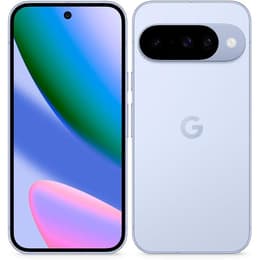
Galaxy S26 vs Google Pixel 10
- 1-year warranty
- Free standard shipping
- Free 30-day returns
Differences at a glance
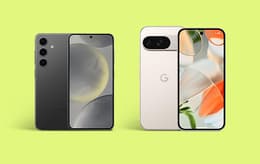
The Samsung Galaxy S26 (2026) and the Google Pixel 10 (2025) represent leading approaches to modern Android smartphones, balancing daily utility with advanced software integration. While both run on Android, they differ distinctly in hardware architecture, camera processing philosophies, and hardware design. These differences shape how each device fits into distinct everyday workflows.
Available Models
Colour
Storage
Scores
Durability
Evaluating the lifespan and durability of these devices involves examining their software update roadmaps and build resilience for long-term daily use.
- Software longevity: Both smartphones offer extended software update commitments spanning multiple years, ensuring ongoing system security and feature updates. Build materials: Each model features robust glass and metal construction alongside high water-resistance ratings to withstand daily environmental exposure. Repair ecosystem: Both manufacturers provide structured repair frameworks, making quality-assured refurbished options a sustainable choice for environmentally conscious consumers seeking extended device longevity.
Release year
2026
2025
Operating system
Android
Android
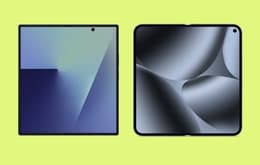
Foldable
No
No
Performance
Performance capabilities dictate how smoothly each device handles multitasking, demanding applications, and power management during intensive daily use.
- Multitasking and responsiveness: Both devices come equipped with ample memory capacity, allowing seamless switching between multiple active applications without noticeable lag. Storage configurations: Users can select from varying storage tiers to accommodate large media libraries and offline documents. Battery endurance: Each model incorporates optimized power management to sustain a full day of typical usage, though heavy users may need occasional midday top-ups depending on screen-on time.
Screen quality
Display characteristics define the visual experience for media consumption, outdoor legibility, and everyday navigation.
- Panel technology: Both phones utilize advanced OLED display panels that deliver deep contrast levels, sharp resolution, and vivid color reproduction. Brightness and outdoor visibility: High peak brightness levels ensure the screens remain easily readable under direct sunlight. Refresh rate fluidity: Smooth high refresh rates provide fluid scrolling through web pages and responsive touch feedback during gaming.
Resolution
1080x2340
1080x2424
Audiovisual
Camera systems and multimedia performance impact everyday photography, video recording, and audio playback quality.
- Imaging hardware: Both models feature capable multi-lens camera arrays that handle low-light environments and wide-angle scenes effectively. Video and audio: High-resolution video recording and clear microphone arrays ensure reliable performance for video calls and content creation. Media consumption: Integrated stereo speakers deliver balanced sound output suitable for streaming videos and listening to podcasts without external speakers.
Miscellaneous
Practical daily usability is shaped by connectivity standards, physical dimensions, and ergonomic design choices.
- Connectivity and ports: Both devices support rapid 5G networks, modern Wi-Fi protocols, and rely on standard USB-C ports for charging and data transfer. Security sensors: Biometric authentication is handled via responsive under-display fingerprint sensors and secure facial recognition. Physical handling: Slim profiles and carefully balanced weights make both phones comfortable for single-handed operation during long commutes.
Weight
167 oz
204 oz
Screen size (in)
6.3
6.3
Network
5G
5G
SIM card
Physical SIM + eSIM
Physical SIM + eSIM
Carrier compatibility
Unlocked
Unlocked
What the community thinks
When deciding between the Galaxy S26 and the Google Pixel 10, user priorities play the deciding role. Community feedback highlights the Galaxy S26 for its polished hardware integration and fine-tuned display capabilities, while users frequently praise the Google Pixel 10 for its clean software interface and reliable computational photography. Users who prioritize deep customization options and robust ecosystem continuity may prefer the Galaxy S26, while users prioritizing straightforward software experiences and streamlined photo capture often lean toward the Google Pixel 10. For those exploring sustainable tech habits, choosing a quality-assured refurbished option provides an eco-friendly alternative that reduces electronic waste without compromising on modern smartphone performance.