Galaxy S23 vs Motorola Edge 30 Pro

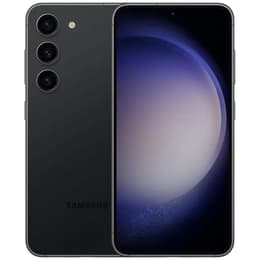
Galaxy S23
Galaxy S23
Starting at

Refurbished price:A$489.00

Versus A$1,349.00 new

See options
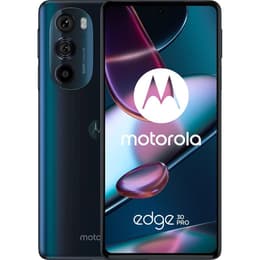
Motorola Edge 30 Pro
Starting at

Refurbished price:A$288.72

Versus A$2,709.00 new

See options

The Samsung Galaxy S23, released in February 2023, and the Motorola Edge 30 Pro, launched in early 2022, are both Android smartphones that offer distinct experiences. While the Galaxy S23 emphasizes a compact design with robust software support and a refined camera system, the Motorola Edge 30 Pro focuses on a larger, high-refresh-rate display and rapid charging capabilities. Both devices run on the Android operating system, but they differ in their approach to software updates and user interface.

Scores

Durability

When considering the long-term usability of these devices, their release timelines and software support policies are key factors. The Samsung Galaxy S23, being a more recent release, benefits from a longer guaranteed support period compared to the Motorola Edge 30 Pro.

  • Release Timeline: The Samsung Galaxy S23 was released in February 2023, making it approximately a year newer than the Motorola Edge 30 Pro, which launched in February/March 2022. This difference in release date directly impacts their expected software longevity.
  • OS Support Duration: Samsung has committed to providing the Galaxy S23 with four generations of Android operating system upgrades and five years of security updates, extending support until at least 2028. In contrast, the Motorola Edge 30 Pro has received criticism for its more limited software support, which can lead to a shorter practical lifespan for users prioritizing the latest features and security.
  • Repairability and Build: The Galaxy S23 features a glass and metal construction with an IP68 rating for dust and water resistance, offering a higher level of protection against environmental elements. The Motorola Edge 30 Pro has a plastic frame with glass on the front and back, and an IP52 splash-resistant rating, indicating less robust protection against water immersion.

Release year

2023

2022

Compatible with latest Update

Yes

Yes

Operating system

Android

Android

Foldable

No

No

Performance

Both smartphones are equipped with powerful processors designed to handle demanding applications and multitasking, though they belong to different generations of chip technology.

  • Processor Capabilities: The Samsung Galaxy S23 is powered by a current-generation processor specifically optimized for Galaxy devices, which contributes to efficient performance and improved power management. This allows for smooth operation across various tasks, from everyday browsing to intensive gaming. The Motorola Edge 30 Pro features a previous-generation high-end processor, which also delivers strong performance for most applications. However, some users have reported that this processor can experience heating under heavy load, potentially affecting sustained performance and battery efficiency.
  • Storage and Responsiveness: The Galaxy S23 offers storage options including 128GB and 256GB, with the 256GB variant utilizing faster storage technology for quicker app loading and data transfers. The Edge 30 Pro provides more varied storage options, including 128GB, 256GB, and 512GB, paired with ample RAM (8GB or 12GB) to support fluid multitasking. Both devices generally offer responsive user experiences, with apps opening quickly and transitions feeling smooth.
  • Battery Behavior: The Galaxy S23 includes a 3900 mAh battery, which, combined with its efficient processor and display technology, is designed to provide a full day of use for many users, with some reporting 5-7 hours of screen-on time under heavy usage. The Motorola Edge 30 Pro has a larger 4800 mAh battery and supports rapid wired charging. While it can last a full day for moderate use, some heavy users have noted that the processor's thermal characteristics can lead to more frequent charging.

Memory (GB)

8 GB

8 GB

Screen quality

The visual experience on both devices is delivered through high-quality OLED panels, but they differ in size, refresh rate, and brightness capabilities.

  • Display Technology and Clarity: Both the Galaxy S23 and the Motorola Edge 30 Pro feature OLED displays, known for their deep blacks and vibrant colors. The Galaxy S23 has a 6.1-inch Dynamic AMOLED 2X display with a resolution of 2340x1080 pixels, providing a sharp viewing experience. The Edge 30 Pro offers a larger 6.7-inch FHD+ OLED display with a 2400x1080 pixel resolution, which is also clear and detailed.
  • Brightness and Outdoor Visibility: The Galaxy S23's display can reach a peak brightness of 1750 nits, making it highly visible even in bright outdoor conditions. The Motorola Edge 30 Pro's display has a maximum brightness of approximately 658 nits, which is sufficient for most indoor and outdoor use but may be less comfortable in direct sunlight compared to the Galaxy S23.
  • Refresh Rate and Smoothness: The Motorola Edge 30 Pro boasts a 144Hz refresh rate, offering an exceptionally smooth scrolling and gaming experience. The Galaxy S23 features an adaptive 120Hz refresh rate, which also provides a fluid visual experience and can dynamically adjust to conserve battery life.

Resolution

1080 x 2340

1080 x 2400

Screen type

Dynamic AMOLED 2X

OLED

Audiovisual

The camera systems on these smartphones offer different strengths, catering to varying user preferences for photography and videography.

  • Rear Camera Systems: The Samsung Galaxy S23 is equipped with a versatile triple-camera setup, including a 50MP main sensor with optical image stabilization (OIS), a 12MP ultrawide lens, and a 10MP telephoto lens capable of 3x optical zoom. This configuration allows for a wide range of photographic scenarios, from expansive landscapes to detailed zoomed-in shots. The Motorola Edge 30 Pro features a dual 50MP rear camera system, comprising a 50MP main sensor with OIS and a 50MP ultrawide lens that also functions for macro photography, alongside a 2MP depth sensor. It lacks a dedicated telephoto lens, relying on digital zoom.
  • Photography Performance: The Galaxy S23 generally produces pleasing photos with vibrant colors, performing well in various lighting conditions. Its low-light performance on the main lens is strong, though quality can decrease when using the ultrawide or telephoto lenses in very dim environments. User feedback for the Motorola Edge 30 Pro indicates that while its main camera can capture decent images in good light, its low-light performance is often criticized for a lack of detail and increased noise.
  • Video and Audio: The Galaxy S23 offers high-quality video recording with good stabilization. The Motorola Edge 30 Pro is capable of recording 8K video, but some users note limitations in its overall video recording capabilities and microphone quality. Both devices include stereo speakers, with the Edge 30 Pro featuring Dolby Atmos support for an enhanced audio experience.

Main camera

50 megapixels

50 megapixels

Front camera

12 megapixels

60 megapixels

Miscellaneous

Beyond the core features, several practical elements contribute to the overall user experience and differentiate these two devices.

  • Connectivity and Ports: Both smartphones support 5G connectivity and modern Wi-Fi standards, including Wi-Fi 6E, ensuring fast and reliable wireless connections. The Galaxy S23 uses a USB-C port for charging and data transfer. The Motorola Edge 30 Pro also features a USB-C port and offers a unique 'Ready For' desktop mode, allowing users to connect their phone to an external display for a PC-like experience.
  • Biometric Security: The Samsung Galaxy S23 incorporates an ultrasonic in-screen fingerprint sensor for secure unlocking. The Motorola Edge 30 Pro utilizes a side-mounted fingerprint sensor, often integrated into the power button. Both devices also offer face recognition for convenient access.
  • Physical Characteristics: The Galaxy S23 is a more compact device, weighing 168 grams with a 6.1-inch display, making it suitable for one-handed use. The Motorola Edge 30 Pro is larger and heavier at 196 grams with a 6.7-inch display, which might appeal to users who prefer a more expansive screen. The Edge 30 Pro's build materials include a plastic frame, which some users perceive as less premium than the glass and metal construction of the S23.

Weight

227 oz

196 oz

Screen size (in)

6.1

6,7

Network

5G

5G

SIM card

Physical SIM + eSIM

Dual Physical SIM

Carrier compatibility

Unlocked

Unlocked

User feedback for the Samsung Galaxy S23 often praises its balanced performance, excellent display, and reliable camera system, particularly its ability to capture vibrant photos. Many appreciate its compact form factor and the extended software support provided by Samsung. Some minor criticisms include occasional image over-processing in the 50MP camera mode, leading to yellowish tones in certain conditions.

The Motorola Edge 30 Pro is frequently lauded for its exceptionally smooth 144Hz OLED display and its powerful processor, which delivers a fast and responsive user experience. Its rapid 68W wired charging is also a significant advantage. However, common criticisms revolve around its camera performance, especially in low light, which many users describe as average or disappointing compared to other devices in its class. The device's battery life, while generally considered solid for a day, can be impacted by the processor's thermal characteristics under heavy use. Additionally, Motorola's software update policy is a frequent point of concern for users seeking long-term support.

Users prioritizing a compact device with a highly capable and versatile camera system, robust software support, and a very bright display will find the Samsung Galaxy S23 well-suited to their needs. Its premium build and higher water resistance also contribute to its appeal for those seeking a durable and refined experience. Conversely, users who value a larger, ultra-smooth display, faster wired charging, and a near-stock Android experience may lean towards the Motorola Edge 30 Pro. It offers strong performance for general use and gaming, making it a compelling option for those who are less focused on photographic prowess or extended software longevity.

For those considering either of these devices, exploring quality-assured refurbished options can provide an eco-friendly alternative to purchasing new, allowing access to these features in a sustainable way.


See all articles

Our recent comparisons