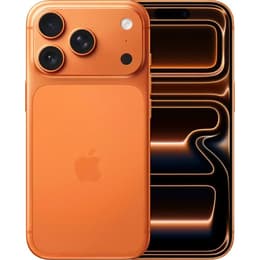

Compare models
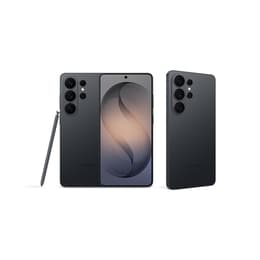
Galaxy S26 Ultra vs iPhone 17 Pro
- 1-year warranty
- Free standard shipping
- Free 30-day returns
Differences at a glance
The Samsung Galaxy S26 Ultra (2026) and the Apple iPhone 17 Pro (2025) represent the pinnacle of mobile technology for their respective software ecosystems. Operating on Android and iOS respectively, both flagship devices target users seeking high-tier performance, advanced display technology, and versatile toolsets. While they share high-end positioning, they differ fundamentally in screen dimensions, input methods, and software environments, making each uniquely suited to different user preferences.
Available Models
Colour
Storage (GB)
Scores
Durability
Both flagships are built to remain functional and secure for many years, though their update cycles and physical durability profiles vary slightly based on their manufacturing materials and operating system frameworks.
- Software Support: The Galaxy S26 Ultra receives up to seven major operating system upgrades, matching the extended multi-year support window provided by Apple's iOS update track.
- Build and Repairability: Both models utilize robust titanium-infused frames and hardened glass front covers designed to withstand daily wear, alongside standardized repair pathways supported by each manufacturer.
- Expected Lifespan: Thanks to powerful internal hardware and long-term software maintenance, both devices maintain high performance headroom suitable for a multi-year practical lifecycle.
Release year
2026
2025
Operating system
Android
iOS
Foldable
No
No
Performance
Handling demanding daily tasks, heavy multitasking, and graphic-intensive mobile gaming is seamless on both models due to advanced internal processing architecture and ample system memory.
- Multitasking and Responsiveness: Both devices switch between resource-heavy applications instantly, maintaining smooth frame rates and responsive system navigation under heavy loads.
- Battery Behavior: Battery capacities easily sustain a full day of standard mixed usage, supported by efficient energy management that reduces power draw during idle periods.
- Storage Configurations: Generous baseline storage options ensure ample space for large media libraries, high-resolution video files, and extensive application data without requiring external expansion cards.
Screen quality
Visual immersion is a primary focus for both devices, featuring bright, high-contrast panels that remain legible under direct sunlight and vibrant during media playback.
- Display Technology: Both utilize advanced organic light-emitting diode panels capable of producing deep black levels, rich color reproduction, and high peak brightness levels for outdoor use.
- Refresh Rates: Adaptive refresh rates scaling up to 120Hz ensure ultra-smooth scrolling through web pages, fluid system animations, and responsive touch feedback during gaming.
- Size and Format: The Galaxy S26 Ultra provides a sprawling workspace with integrated stylus support, whereas the iPhone 17 Pro offers a more compact footprint that is easier to handle with one hand.
Resolution
1440x3120
2622x1206
Audiovisual
Photography and videography capabilities are exceptionally robust on both handsets, delivering crisp detail, accurate color science, and strong low-light performance.
- Lens Versatility: The Galaxy S26 Ultra features a versatile quad-lens array emphasizing extended optical zoom capabilities, while the iPhone 17 Pro utilizes a triple-lens system optimized for balanced single-shot fidelity and seamless switching.
- Video Recording: Both devices capture professional-grade video with advanced stabilization features, high-resolution output formats, and dedicated log profiles suited for content creators.
- Audio and Media Output: Stereo speaker setups on both models deliver clear, room-filling sound with balanced high frequencies and noticeable depth during media consumption or conference calls.
Miscellaneous
Practical daily features, connectivity standards, and ergonomic details define how each device integrates into a user's routine accessories and environment.
- Connectivity: Both models support modern wireless standards including fast 5G connectivity, advanced Wi-Fi protocols, and precise location-tracking sensors.
- Physical Ports: Universal USB-C connection standards are utilized across both lineups for charging and data transfer, streamlining cable management.
- Authentication and Security: Secure biometric options are built into each device, utilizing facial recognition systems or fingerprint sensors embedded directly beneath the display glass.
Weight
214 oz
206 oz
Screen size (in)
6.9
6.3
Network
5G
5G
SIM card
Physical SIM + eSIM
eSIM
Carrier compatibility
Unlocked
Unlocked
What the community thinks
Community discussions and user feedback indicate that consumer satisfaction largely depends on existing ecosystem familiarity and specific workflow requirements. Users frequently praise the Galaxy S26 Ultra for its expansive display canvas, precise stylus integration, and multi-lens zoom flexibility, while noting that its large physical footprint can feel heavy during extended one-handed use. Conversely, users highlight the iPhone 17 Pro for its comfortable ergonomics, refined video capture tools, and smooth integration within the broader Apple ecosystem, though some mention that storage upgrades can carry rigid limitations.
Users prioritizing productivity tools, deep system customisation, and versatile telephoto reach may prefer the Galaxy S26 Ultra, while users who value compact handling, streamlined video workflows, and iOS integration will likely lean toward the iPhone 17 Pro. For buyers seeking a sustainable choice, exploring a quality-assured refurbished option provides an eco-friendly alternative to purchasing newly manufactured hardware. Ultimately, evaluating personal software preferences and physical size requirements will guide the most appropriate device selection.