
iPhone 15 Pro vs iPhone SE (2020)

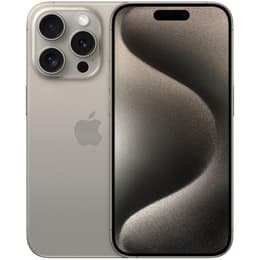
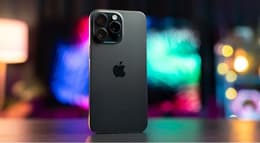
iPhone 15 Pro
iPhone 15 Pro
Starting at

Refurbished price:A$873.00

Versus A$1,849.00 new

See options
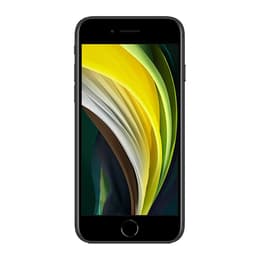
iPhone SE (2020)
iPhone SE (2020)
Starting at

Refurbished price:A$108.00

Versus A$529.00 new

See options

Ratings

The iPhone 15 Pro, released in September 2023, and the iPhone SE 2020, launched in April 2020, represent distinct offerings within Apple's smartphone lineup. While both operate on Apple's iOS ecosystem, the iPhone 15 Pro introduces a modern design, advanced camera capabilities, and a significantly more powerful internal architecture, contrasting with the iPhone SE 2020's classic form factor and more modest specifications. These differences cater to varying user needs and preferences.

Scores

Durability

The expected lifespan and software support differ considerably between these two devices due to their respective release dates.

  • Release Timeline and OS Support: The iPhone 15 Pro, being a much newer device, launched with iOS 17 and is compatible with subsequent major iOS versions, including iOS 18 and iOS 26. It is expected to receive software updates for a minimum of five years, extending to at least 2028. In contrast, the iPhone SE 2020, released in 2020 with iOS 13.4, is upgradable to iOS 26.3, indicating a shorter remaining period of guaranteed major software updates. [7, 14, 16, 18]
  • Repairability: The iPhone SE 2020 generally receives a repairability score of 6 out of 10 from iFixit, noted for its relatively straightforward access to the display and battery, and some parts being compatible with the iPhone 8. [5, 8, 21, 30] The iPhone 15 Pro initially received a provisional iFixit score of 4 out of 10, though some reports suggest improvements to 7 out of 10 with updates to Apple's repair assistant, allowing for easier part installation and calibration. [3, 6, 13, 29, 43]
  • Expected Practical Lifespan: Users seeking the longest possible software longevity and access to the latest features will find the iPhone 15 Pro more suitable. The iPhone SE 2020, while still functional, is nearing the end of its major software update cycle, which could impact its compatibility with future applications and security features.

Release year

2023

2020

Compatible with latest Update

Yes

Yes

Operating system

iOS

iOS

Foldable

No

No

Performance

Performance is a key area where the two iPhones diverge significantly, impacting everything from app responsiveness to demanding tasks.

  • Processor Capabilities: The iPhone 15 Pro features a current-generation processor designed for high-performance tasks, enabling smooth operation for demanding applications, advanced gaming, and complex multitasking. [1, 4, 9, 12, 24, 33] The iPhone SE 2020 is equipped with an older, though still capable, processor that handles everyday tasks and most applications efficiently, but may show limitations with graphically intensive games or heavy multitasking compared to newer devices. [7, 10, 18]
  • System Responsiveness and Multitasking: Users of the iPhone 15 Pro report a very responsive and fluid experience, with apps launching quickly and seamless transitions between tasks. [2, 23, 34] The iPhone SE 2020 provides a generally smooth user experience for typical daily usage, but its older architecture means it may exhibit slower loading times or occasional stutters when handling multiple intensive applications simultaneously.
  • Storage Options: The iPhone 15 Pro offers a wider range of storage configurations, starting from 128GB and going up to 1TB, providing ample space for extensive media libraries and applications. [9, 24] The iPhone SE 2020 offers storage options from 64GB to 256GB, which may be sufficient for users with moderate storage needs. [7, 10, 18]
  • Battery Behavior: The iPhone 15 Pro generally offers robust battery life, with many users reporting it comfortably lasts a full day of moderate to heavy use, and some even extending to two days. [2, 22, 34, 37, 38, 41] The iPhone SE 2020, with its smaller battery capacity and older components, typically requires more frequent charging, especially for users with high usage patterns. [10, 18]

Memory (GB)

8 GB

3 GB

Screen quality

The visual experience on these two iPhones presents a clear distinction, primarily due to advancements in display technology.

  • Display Technology and Clarity: The iPhone 15 Pro features a 6.1-inch Super Retina XDR OLED display, offering deep blacks, vibrant colors, and a high resolution of 2556x1179 pixels at 460 pixels per inch (ppi). [1, 9, 12, 14, 15] This provides a sharp and immersive viewing experience. The iPhone SE 2020 has a 4.7-inch IPS LCD display with a resolution of 1334x750 pixels at 326 ppi, which delivers clear visuals for everyday use but lacks the contrast and color depth of an OLED panel. [10, 17, 18]
  • Brightness and Outdoor Visibility: The iPhone 15 Pro boasts significantly higher brightness levels, with a typical maximum of 1000 nits and a peak outdoor brightness of up to 2000 nits, ensuring excellent visibility even in bright sunlight. [1, 12, 15] The iPhone SE 2020 offers a peak brightness of 625 nits, which is adequate for most indoor conditions but may struggle more in direct outdoor light. [17, 18]
  • Refresh Rate and Smoothness: A notable difference is the refresh rate. The iPhone 15 Pro includes ProMotion technology, allowing for an adaptive refresh rate up to 120Hz, which results in smoother scrolling, more fluid animations, and a more responsive feel. [1, 12, 14] The iPhone SE 2020 has a standard 60Hz refresh rate, providing a consistent but less fluid visual experience compared to the ProMotion display. [15]
  • Screen Size and Features: The iPhone 15 Pro's larger, edge-to-edge display with Dynamic Island offers a more expansive viewing area and modern interface elements. [1, 12, 14] The iPhone SE 2020 retains the classic iPhone design with thicker bezels and a physical Home button, resulting in a smaller screen-to-body ratio. [7, 16]

Resolution

1179 x 2556

750 x 1334

Screen type

LTPO Super Retina XDR OLED

Retina IPS LCD

Audiovisual

The camera systems on the iPhone 15 Pro and iPhone SE 2020 cater to different levels of photographic ambition, with the Pro model offering a more versatile and advanced setup.

  • Rear Camera System: The iPhone 15 Pro features a sophisticated triple-camera system, including a 48MP Main camera with a wide f/1.78 aperture and second-generation sensor-shift optical image stabilization, a 12MP Ultra Wide camera with a 120° field of view, and a 12MP 3x Telephoto camera with optical image stabilization. This setup provides a 6x optical zoom range and enhanced low-light performance. [1, 9, 12, 19, 25, 27, 36] The iPhone SE 2020 has a single 12MP wide rear camera with an f/1.8 aperture and optical image stabilization, capable of good everyday photos. [10, 11, 18, 20, 40, 44]
  • Photography Features: The iPhone 15 Pro benefits from advanced computational photography, offering features like improved Smart HDR, better low-light performance, and the ability to capture super-high-resolution photos. [19, 25, 36] The iPhone SE 2020 includes Smart HDR and a software-based Portrait Mode, though it is limited to detecting people and does not support Night mode. [11, 20, 35]
  • Video Recording: Both devices can record 4K video at up to 60 frames per second. [11, 20, 40] However, the iPhone 15 Pro offers more advanced video capabilities, including ProRes video recording, which is beneficial for professional workflows, and enhanced video stabilization. [1, 12, 31]
  • Front Camera: The iPhone 15 Pro features a 12MP front camera with advanced capabilities for selfies and video calls. [1, 12] The iPhone SE 2020 has a 7MP front camera, which is suitable for standard video calls and selfies. [11, 18, 40]

Main camera

48 megapixels

12 megapixels

Front camera

12 megapixels

7 megapixels

Miscellaneous

Beyond core performance and display, several practical elements differentiate these two iPhone models.

  • Connectivity and Ports: The iPhone 15 Pro features a modern USB-C port, supporting USB 3 speeds of up to 10Gb/s, which allows for faster data transfer and broader compatibility with accessories. It also supports 5G cellular connectivity and Wi-Fi 6E. [1, 9, 12, 14, 28, 32, 33, 39, 42] The iPhone SE 2020 uses the Lightning port, offers 4G LTE connectivity, and supports Wi-Fi 6. [16, 18]
  • Biometric Security: The iPhone 15 Pro utilizes Face ID for secure facial recognition, integrated into its Dynamic Island. [1, 12] The iPhone SE 2020 features a physical Home button with Touch ID for fingerprint authentication. [7, 16]
  • Build Materials and Durability: The iPhone 15 Pro incorporates a titanium frame, contributing to a lighter yet durable design, and features Ceramic Shield front cover for enhanced drop protection, along with an IP68 rating for water and dust resistance. [9, 14, 23, 24, 33] The iPhone SE 2020 has an aluminum frame and a glass back, with an IP67 rating for water and dust resistance. [7, 16, 17, 18]
  • Physical Design and Controls: The iPhone 15 Pro introduces a customizable Action Button, replacing the traditional mute switch, offering quick access to various functions. [1, 12, 33] Its design is more contemporary with slimmer bezels. The iPhone SE 2020 maintains the classic iPhone design with a Home button and larger bezels. [7, 16]

Weight

187 oz

148 oz

Screen size (in)

6.1

4.7

Network

5G

4G

SIM card

Physical SIM + eSIM

Physical SIM + eSIM

Carrier compatibility

Unlocked

Unlocked

Connector

USB-C (USB 3)

Lightning

The iPhone 15 Pro and iPhone SE 2020 cater to distinct user needs, reflecting their different generations and design philosophies. User feedback for the iPhone 15 Pro often praises its exceptional camera capabilities, powerful performance, and the fluidity of its 120Hz display. [2, 23, 34, 38] The shift to USB-C and the versatile Action Button are also frequently highlighted as significant improvements. [33, 39] Some users have noted mixed experiences with battery life, though many find it sufficient for a full day, and occasional software bugs have been reported, albeit less frequently than with previous Pro models. [2, 26, 31, 34, 38, 41]

The iPhone SE 2020 is often lauded for its compact size and the familiarity of Touch ID. Its camera is generally considered capable for its class, particularly for producing natural-looking photos. [35] Criticisms typically revolve around its older design, smaller display, and battery life that may not satisfy heavy users. The absence of Night mode is also a common point of comparison with newer models. [20]

Users prioritizing the latest technology, a premium visual experience, advanced photography and videography features, and long-term software support will find the iPhone 15 Pro well-suited to their needs. This device is ideal for professionals, content creators, and power users who demand high performance and cutting-edge features. Conversely, users who prefer a more compact form factor, the convenience of Touch ID, and a device that handles everyday tasks reliably without needing the absolute latest features may lean toward the iPhone SE 2020. It remains a practical choice for those who value a classic iPhone experience. Both models, especially the iPhone SE 2020, are available as quality-assured refurbished options, providing an eco-friendly alternative for consumers.

See all articles

Our recent comparisons