
iPhone 15 Plus vs iPhone 16 Pro

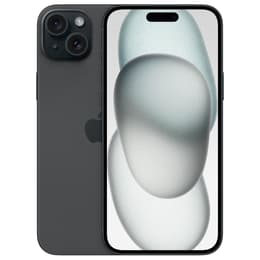
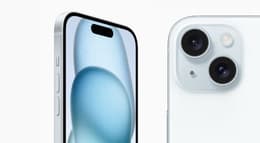
iPhone 15 Plus
iPhone 15 Plus
Starting at

Refurbished price:A$745.00

Versus A$1,399.00 new

See options
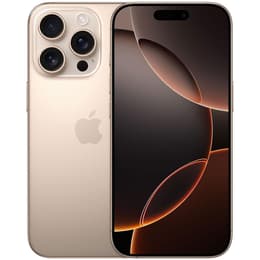
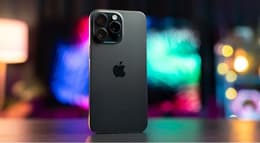
iPhone 16 Pro
iPhone 16 Pro
Starting at

Refurbished price:A$1,134.00

Versus A$1,999.00 new

See options

Ratings

The iPhone 15 Plus, released in September 2023, and the iPhone 16 Pro, launched in September 2024, represent different tiers within Apple's smartphone lineup. While both devices operate on the iOS platform and offer a premium user experience, they cater to distinct user needs through variations in their display technology, camera capabilities, and overall performance. The iPhone 16 Pro introduces a more advanced camera system and a smoother display, whereas the iPhone 15 Plus focuses on a larger screen experience with solid everyday performance.

Scores

Durability

When considering the longevity of a smartphone, factors such as release timeline, software support, and physical durability are key. The iPhone 15 Plus and iPhone 16 Pro offer robust build quality and extended software support, though their respective release dates influence their practical lifespan.

  • Release Timeline and Software Support: The iPhone 15 Plus was released in September 2023, while the iPhone 16 Pro followed in September 2024. This means the iPhone 16 Pro will receive major iOS updates for approximately one year longer than the iPhone 15 Plus, extending its software longevity. Both devices are compatible with iOS 26, ensuring access to the latest features and security updates for several years.
  • Physical Durability: Both models feature Ceramic Shield on the front, offering enhanced drop protection. The iPhone 15 Plus uses an aluminum frame, while the iPhone 16 Pro incorporates a more robust titanium frame, which is known for its strength and lighter weight. Both devices carry an IP68 rating for dust and water resistance, allowing submersion in up to 6 meters of water for 30 minutes.
  • Expected Practical Lifespan: Given Apple's history of long-term software support, both phones are expected to remain functional and secure for many years. The iPhone 16 Pro, being a newer model, naturally offers a longer runway for future updates and feature compatibility.

Release year

2023

2024

Compatible with latest Update

Yes

Yes

Foldable

No

No

Performance

The performance of a smartphone is crucial for handling daily tasks, demanding applications, and multitasking. Both the iPhone 15 Plus and iPhone 16 Pro deliver capable performance, but the newer model offers a notable step up in processing power and efficiency.

  • Processing Capabilities: The iPhone 15 Plus is equipped with a capable processor that handles everyday applications and moderate gaming smoothly. The iPhone 16 Pro features a newer, more advanced processor, providing enhanced speed and efficiency for more demanding tasks such as intensive gaming, complex video editing, and running multiple heavy applications simultaneously.
  • Multitasking and Responsiveness: The iPhone 16 Pro includes more internal memory, which contributes to smoother multitasking and faster app switching compared to the iPhone 15 Plus. While the iPhone 15 Plus offers a responsive experience for most users, the iPhone 16 Pro provides additional headroom for future software advancements and more resource-intensive applications.
  • Storage Options: Both devices offer various storage configurations, starting from 128GB. The iPhone 16 Pro also provides a 1TB option, catering to users with extensive storage needs for photos, videos, and applications.

Memory (GB)

6 GB

8 GB

Screen quality

The display is a primary interface for smartphone interaction, and both the iPhone 15 Plus and iPhone 16 Pro offer vibrant and clear viewing experiences, with key differences in smoothness and size.

  • Display Technology and Clarity: Both phones feature Super Retina XDR OLED displays, known for deep blacks, high contrast, and vibrant colors. They offer high resolutions, resulting in sharp text and detailed images. The iPhone 15 Plus has a 6.7-inch display, providing a larger viewing area, while the iPhone 16 Pro features a slightly smaller 6.3-inch display.
  • Refresh Rate and Smoothness: A significant difference lies in the refresh rate. The iPhone 15 Plus has a standard 60Hz refresh rate, which is suitable for most content. The iPhone 16 Pro, however, features ProMotion technology, offering an adaptive refresh rate that can go up to 120Hz. This results in noticeably smoother scrolling, more fluid animations, and a more responsive feel, particularly in gaming and fast-paced content.
  • Brightness and Outdoor Visibility: Both models offer high peak brightness levels, reaching up to 2000 nits for outdoor use, ensuring good visibility even in bright sunlight. The iPhone 16 Pro also benefits from thinner display borders, maximizing the screen-to-body ratio.

Resolution

1290 x 2796

1206 x 2622

Screen type

Super Retina XDR OLED

LTPO Super Retina XDR OLED

Audiovisual

The camera systems on the iPhone 15 Plus and iPhone 16 Pro are designed to capture high-quality photos and videos, but the Pro model offers a more versatile and advanced setup.

  • Rear Camera System: The iPhone 15 Plus features a dual-camera system with a 48MP main sensor and a 12MP ultra-wide lens, capable of 2x optical zoom. The iPhone 16 Pro elevates this with a triple-camera system, including a 48MP main sensor, a 48MP ultra-wide sensor, and a 12MP telephoto lens that provides 5x optical zoom. This dedicated telephoto lens allows for greater versatility in capturing distant subjects with clarity.
  • Photography Features: The iPhone 16 Pro includes advanced features like improved low-light performance, a new Camera Control button for quick access to camera functions, and the ability to capture spatial photos, which can be viewed with enhanced depth. While the iPhone 15 Plus delivers excellent everyday photos, the iPhone 16 Pro offers more tools for creative and professional-level photography.
  • Video Recording and Audio: Both phones offer high-quality video recording. The iPhone 16 Pro supports 4K video recording at 120 frames per second in slow-motion, providing more options for cinematic effects. Both devices offer good microphone quality for calls and recordings, and their stereo speakers provide a clear audio experience for media consumption.

Main camera

48 megapixels

48 megapixels

Front camera

12 megapixels

12 megapixels

Miscellaneous

Beyond core features, several practical elements contribute to the overall user experience, including connectivity, physical design, and additional sensors.

  • Connectivity and Ports: Both the iPhone 15 Plus and iPhone 16 Pro support 5G cellular connectivity and Wi-Fi. A key difference lies in their USB-C ports; the iPhone 15 Plus uses USB 2.0 speeds, while the iPhone 16 Pro features faster USB 3.2 Gen 2 speeds, enabling quicker data transfers. Both support Bluetooth 5.3.
  • Design and Handling: The iPhone 15 Plus has an aluminum frame and weighs 201 grams, while the iPhone 16 Pro features a titanium frame and weighs 199 grams. The iPhone 15 Plus is physically larger with a 6.7-inch display, whereas the iPhone 16 Pro has a 6.3-inch display, making it slightly more compact and potentially easier for one-handed use for some users.
  • Additional Features: Both devices include Face ID for secure authentication. The iPhone 16 Pro introduces an Action Button, which can be customized to perform various functions, replacing the traditional mute switch found on the iPhone 15 Plus.

Weight

201 oz

199 oz

Screen size (in)

6.7

6.3

Network

5G

5G

SIM card

Physical SIM + eSIM

Physical SIM + eSIM

Carrier compatibility

Unlocked

Unlocked

Connector

USB-C (USB 2)

USB-C (USB 3)

User feedback for the iPhone 15 Plus often highlights its strong battery life and large, immersive display as significant advantages, making it a suitable choice for those who prioritize screen real estate and extended usage without frequent charging. Some users appreciate its performance for everyday tasks, noting that the 60Hz display is not a significant drawback for their typical usage. Criticisms sometimes point to the slower USB-C data transfer speeds and the absence of a telephoto lens.

The iPhone 16 Pro receives praise for its powerful performance, particularly for demanding applications and gaming, and its advanced camera system, including the versatile telephoto lens and new photographic capabilities. Users also value the smooth 120Hz ProMotion display and the premium feel of its titanium build. Some reports have mentioned the device getting warm during intensive use, a point also noted in earlier Pro models.

Users prioritizing a larger screen and excellent battery life for general use may find the iPhone 15 Plus well-suited to their needs. Conversely, users who require the latest in camera technology, superior processing power for intensive tasks, and the fluidity of a high refresh rate display will likely lean towards the iPhone 16 Pro. Both devices offer a robust iOS experience, and choosing between them often comes down to whether the advanced features of the Pro model align with specific usage patterns. For those considering a sustainable choice, exploring quality-assured refurbished options for either model can be an eco-friendly alternative.
See all articles

Our recent comparisons