iPhone 14 Plus vs iPhone 16 Pro

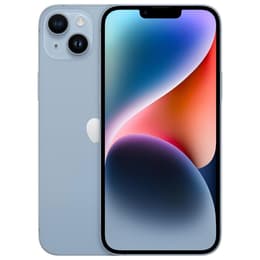
iPhone 14 Plus
iPhone 14 Plus
Starting at

Refurbished price:A$480.00

Versus A$1,249.00 new

See options
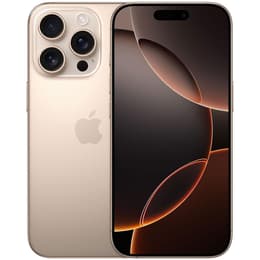
iPhone 16 Pro
iPhone 16 Pro
Starting at

Refurbished price:A$1,148.00

Versus A$1,999.00 new

See options

Ratings

The iPhone 14 Plus, released in October 2022, and the iPhone 16 Pro, launched in September 2024, represent different tiers and generations within Apple's smartphone lineup. While both devices operate on the iOS platform, the iPhone 16 Pro introduces more advanced features and performance capabilities, reflecting its newer release and 'Pro' designation. This comparison will explore the practical differences between these two models to help users understand which device aligns best with their needs.

Scores

Durability

The practical lifespan of a smartphone is often influenced by its release timeline, software support, and physical resilience.

  • Release Timeline: The iPhone 14 Plus was released in October 2022, making it approximately two years older than the iPhone 16 Pro, which debuted in September 2024. This age difference directly impacts the expected duration of software updates and overall device support.
  • Software Longevity: Apple typically provides iOS updates for 5-6 years from a device's release. Given its later launch, the iPhone 16 Pro is expected to receive software updates for a longer period than the iPhone 14 Plus, extending its functional life for users who prioritize the latest software features and security patches. The iPhone 16 Pro was discontinued in September 2025, following the announcement of the iPhone 17 Pro.
  • Durability Features: Both models feature Ceramic Shield on the front for enhanced drop protection and are rated for IP68 water and dust resistance. The iPhone 16 Pro, however, incorporates a third-generation Ceramic Shield and a titanium frame, which Apple claims offers improved overall strength. User reports suggest that while the iPhone 16 Pro's screen is robust, its ultra-thin bezels might make it more susceptible to damage in certain drop scenarios compared to its predecessors.

Release year

2022

2024

Compatible with latest Update

Yes

Yes

Foldable

No

No

Performance

Performance differences between these two models stem primarily from their respective processors and RAM configurations, impacting how smoothly they handle various tasks.

  • Processing Power: The iPhone 14 Plus is equipped with a capable processor that handles everyday applications, multitasking, and moderate gaming smoothly. The iPhone 16 Pro, featuring a newer generation processor, offers a noticeable boost in speed and efficiency, resulting in faster app loading times, more fluid multitasking, and enhanced performance in demanding applications and graphics-intensive games.
  • Multitasking and Responsiveness: With 6GB of RAM, the iPhone 14 Plus provides a solid experience for switching between apps. The iPhone 16 Pro, with 8GB of RAM, offers greater headroom for keeping more applications active in the background and ensures a more responsive user experience, particularly for power users.
  • Storage Options: Both devices offer various storage capacities, starting from 128GB. The iPhone 16 Pro extends its offerings to include larger capacities, catering to users who require substantial space for high-resolution media, numerous applications, and extensive files.

Memory (GB)

6 GB

8 GB

Screen quality

The display is a primary interface for smartphone interaction, and both models offer distinct viewing experiences.

  • Display Technology and Size: Both the iPhone 14 Plus and iPhone 16 Pro feature Super Retina XDR OLED displays, known for deep blacks and vibrant colors. The iPhone 14 Plus has a 6.7-inch display, while the iPhone 16 Pro features a slightly smaller 6.3-inch display.
  • Refresh Rate and Smoothness: A key differentiator is the refresh rate. The iPhone 14 Plus has a standard 60Hz refresh rate, providing a consistent but less fluid scrolling experience compared to the iPhone 16 Pro. The iPhone 16 Pro boasts a ProMotion display with an adaptive refresh rate up to 120Hz, which dynamically adjusts for smoother scrolling, more responsive gaming, and overall enhanced visual fluidity.
  • Brightness and Clarity: Both displays offer excellent clarity and brightness. The iPhone 14 Plus reaches 800 nits typical brightness and 1200 nits peak for HDR content. The iPhone 16 Pro offers higher peak brightness levels, reaching 1000 nits typical, 1600 nits for HDR, and up to 2000 nits peak outdoors, making it more visible in bright sunlight.

Resolution

1284 x 2778

1206 x 2622

Screen type

Super Retina XDR OLED

LTPO Super Retina XDR OLED

Audiovisual

The camera systems on these iPhones cater to different levels of photography and videography needs.

  • Camera System Configuration: The iPhone 14 Plus features a dual-camera system with a 12MP Main camera and a 12MP Ultra Wide camera. The iPhone 16 Pro steps up with a triple-camera system, including a higher-resolution 48MP Main sensor, an Ultra Wide lens, and a Telephoto lens with 5x optical zoom capabilities.
  • Photography Performance: The iPhone 14 Plus delivers strong everyday photos with good detail and color reproduction. User feedback indicates that while its camera is capable, the front-facing camera might show some graininess in certain conditions. The iPhone 16 Pro offers enhanced low-light performance, greater detail capture due to its higher megapixel main sensor, and the versatility of optical zoom for distant subjects.
  • Video Recording and Features: Both models offer high-quality video recording. The iPhone 16 Pro includes advanced video features such as ProRes and Log video, providing more control for professional videographers. The addition of a LiDAR Scanner on the Pro model also enhances autofocus in low light and enables advanced augmented reality experiences.

Main camera

12 megapixels

48 megapixels

Front camera

12 megapixels

12 megapixels

Miscellaneous

Beyond core features, several practical elements contribute to the overall user experience of these devices.

  • Connectivity: The iPhone 14 Plus supports 5G, Wi-Fi 6, and Bluetooth 5.3. The iPhone 16 Pro offers more advanced connectivity with support for Wi-Fi 7 and Bluetooth 5.3, providing potentially faster wireless speeds and improved network efficiency, especially in crowded environments.
  • Port Type: The iPhone 14 Plus utilizes the Lightning port. In contrast, the iPhone 16 Pro features a USB-C port, which supports faster data transfer speeds (up to 10Gb/s) and DisplayPort capabilities, aligning with a more universal standard for charging and accessories.
  • Biometric Security and Design: Both devices rely on Face ID for secure authentication. The iPhone 14 Plus has an aluminum frame, while the iPhone 16 Pro features a lighter and more durable titanium frame. The iPhone 16 Pro also includes an Action Button, offering customizable shortcuts for various functions.

Weight

203 oz

199 oz

Screen size (in)

6,7

6.3

Network

5G

5G

SIM card

Physical SIM + eSIM

Physical SIM + eSIM

Carrier compatibility

Unlocked

Unlocked

Connector

Lightning

USB-C (USB 3)

The iPhone 14 Plus and iPhone 16 Pro cater to different user priorities, largely due to their generational gap and positioning within Apple's product lines. The iPhone 14 Plus is frequently praised for its exceptional battery life, often lasting well over a full day of heavy use, making it a strong contender for users who prioritize endurance and a large display without needing the absolute latest features. Some users, however, note its 60Hz display as a drawback compared to devices with higher refresh rates.

The iPhone 16 Pro, being a newer and more advanced model, receives acclaim for its significantly upgraded performance, superior camera system with enhanced zoom capabilities, and the smoother visual experience offered by its 120Hz ProMotion display. Its improved battery life over previous Pro models is also a positive point for many users. Criticisms sometimes revolve around its durability in specific drop scenarios due to thinner bezels, and some users have reported minor software glitches in early ownership.

Users prioritizing extended battery life and a large, vibrant screen for media consumption and general use may find the iPhone 14 Plus well-suited to their needs. Conversely, individuals who require cutting-edge performance for demanding applications, advanced photography and videography features, and the latest display technology will likely lean towards the iPhone 16 Pro. Both devices offer a quality-assured refurbished option, providing an eco-friendly alternative for consumers seeking reliable technology.

See all articles

Our recent comparisons