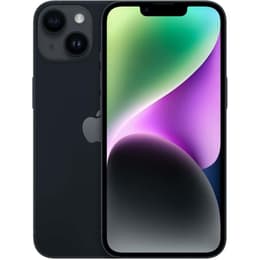
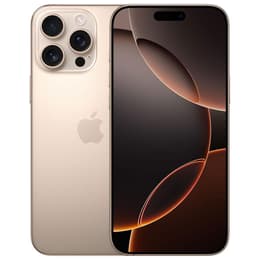

iPhone 14 vs iPhone 16 Pro Max

iPhone 14
iPhone 14
Starting at

Refurbished price:A$467.00

Versus A$1,049.00 new

See options
iPhone 16 Pro Max
iPhone 16 Pro Max
Starting at

Refurbished price:A$1,309.00

Versus A$2,149.00 new

See options

Ratings

The iPhone 14, released in September 2022, and the iPhone 16 Pro Max, launched in September 2024, represent different tiers and generations within Apple's smartphone lineup. While both devices operate on the same iOS ecosystem, the iPhone 16 Pro Max introduces a larger form factor, a more advanced camera system, and enhanced display technology, reflecting two years of technological advancements and its 'Pro Max' designation.

Scores

Durability

When considering the practical lifespan of these devices, several factors come into play, including their release timelines, software support, and repairability.

  • Release Timeline and Software Support: The iPhone 14, released in 2022, launched with iOS 16 and is compatible with the current iOS 26. It is expected to receive major iOS updates until approximately 2034. The iPhone 16 Pro Max, released in 2024, launched with iOS 18 and also supports iOS 26, with an anticipated software support timeline extending until around 2031. This means the iPhone 14, despite being older, may receive updates for a slightly longer period due to its later discontinuation from sale, though the 16 Pro Max will receive newer features for longer.
  • Repairability: The iPhone 14 initially received a favorable repairability score due to its internal redesign allowing easier access to components like the back glass. However, this score was later downgraded due to software restrictions that complicate repairs with non-authorized parts. In contrast, the iPhone 16 Pro Max, along with the rest of its series, has been noted for significant improvements in repairability, achieving a higher score from experts due to a more modular design and easier battery replacement methods, even with software assistance for part pairing.
  • Expected Practical Lifespan: Both devices are built with durable materials and are designed for longevity. The iPhone 16 Pro Max benefits from a newer generation of internal components and a more robust titanium frame, potentially offering a slightly longer physical lifespan under similar usage conditions. Users seeking the absolute longest software support might find the iPhone 14's projected update timeline appealing, while those prioritizing ease of repair and newer hardware may lean towards the iPhone 16 Pro Max.

Release year

2022

2024

Compatible with latest Update

Yes

Yes

Foldable

No

No

Performance

The performance capabilities of the iPhone 14 and iPhone 16 Pro Max reflect the advancements made over two generations, particularly in processing power and multitasking efficiency.

  • Processing Capabilities: The iPhone 14 is equipped with a capable processor that handles everyday applications, web browsing, and moderate gaming smoothly. It provides a responsive user experience for most tasks. The iPhone 16 Pro Max features a significantly more advanced current-generation Pro processor, offering substantial improvements in speed and efficiency. This translates to noticeably faster app loading times, smoother multitasking, and superior performance in demanding applications, high-fidelity gaming, and complex computational tasks.
  • Multitasking and Responsiveness: With 6GB of RAM, the iPhone 14 manages multiple applications adequately, though users engaging in heavy multitasking might occasionally experience apps reloading in the background. The iPhone 16 Pro Max, with 8GB of RAM, provides more headroom for keeping numerous applications active simultaneously, resulting in a more fluid and uninterrupted multitasking experience.
  • Storage Options: Both devices offer various internal storage configurations. The iPhone 14 is available with 128GB, 256GB, and 512GB options. The iPhone 16 Pro Max starts at a higher base storage of 256GB and extends to 512GB and 1TB, catering to users with larger storage needs for high-resolution media and numerous applications.

Memory (GB)

6 GB

8 GB

Screen quality

The display experience differs between these two models, primarily in size, refresh rate, and advanced features.

  • Display Technology and Size: Both devices feature Super Retina XDR OLED displays, known for deep blacks and vibrant colors. The iPhone 14 has a 6.1-inch display, offering a compact viewing experience. The iPhone 16 Pro Max boasts a larger 6.9-inch display, providing an expansive canvas for media consumption, gaming, and productivity.
  • Refresh Rate and Brightness: The iPhone 14 features a standard 60Hz refresh rate, which is suitable for most daily interactions. It offers a typical brightness of 800 nits and a peak HDR brightness of 1200 nits. The iPhone 16 Pro Max includes ProMotion technology, enabling adaptive refresh rates up to 120Hz for smoother scrolling and more fluid animations. Its display also reaches higher brightness levels, with 1000 nits typical, 2000 nits peak HDR, and an impressive 2500 nits peak outdoor brightness, enhancing visibility in bright environments.
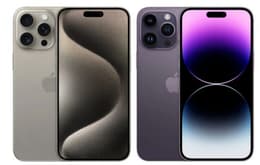
  • Advanced Display Features: The iPhone 16 Pro Max incorporates the Dynamic Island, an interactive area around the front camera and sensors, and an Always-On display, which keeps essential information visible without fully waking the screen. The iPhone 14 features a traditional notch design and does not include the Always-On display.

Resolution

1170 x 2532

1320 x 2868

Screen type

Super Retina XDR OLED

LTPO Super Retina XDR OLED

Audiovisual

The camera systems on the iPhone 14 and iPhone 16 Pro Max showcase significant generational advancements, particularly in versatility and low-light performance.

  • Main and Ultra-Wide Cameras: The iPhone 14 features a dual-camera system with a 12MP main camera and a 12MP ultra-wide camera, capable of capturing detailed photos and 4K video. Its main camera offers good low-light performance for its class. The iPhone 16 Pro Max elevates this with a 48MP main camera and a 48MP ultra-wide camera, both designed to capture significantly more detail and improve low-light photography. The larger sensors and advanced processing on the 16 Pro Max result in clearer, more vibrant images across various lighting conditions.
  • Telephoto and Video Capabilities: The iPhone 14 does not include a dedicated telephoto lens, relying on digital zoom. It supports Cinematic Mode up to 4K HDR at 30fps and Action Mode for stabilized video. The iPhone 16 Pro Max adds a 12MP telephoto lens with 5x optical zoom, allowing for detailed distant shots. Its video capabilities are more extensive, including ProRes video recording up to 4K at 120fps with external recording, Spatial video recording, and Log video recording, offering greater flexibility for professional videography.
  • Front Camera and Audio: Both devices feature 12MP front cameras capable of high-quality selfies and video calls. The iPhone 16 Pro Max's front camera benefits from newer processing for improved image quality. For audio, both offer stereo speakers, providing a good media consumption experience.

Main camera

12 megapixels

48 megapixels

Front camera

12 megapixels

12 megapixels

Miscellaneous

Beyond the core features, several practical elements differentiate the iPhone 14 and iPhone 16 Pro Max, impacting daily usability and connectivity.

  • Connectivity and Ports: The iPhone 14 supports 5G and Wi-Fi 6, offering fast wireless connectivity. It uses the Lightning port for charging and data transfer. The iPhone 16 Pro Max features more advanced connectivity with Wi-Fi 7, providing even faster and more reliable wireless performance. A notable change is its adoption of the USB-C port, offering universal compatibility with a wider range of accessories and potentially faster data transfer speeds.
  • Biometrics and Sensors: Both models utilize Face ID for secure authentication. The iPhone 14 includes essential sensors like Crash Detection and Emergency SOS via Satellite. The iPhone 16 Pro Max retains these safety features and introduces the Action Button, a customizable physical button that can be assigned to various functions, enhancing quick access to frequently used features.
  • Design and Handling: The iPhone 14 features an aluminum frame and a glass back, weighing 172 grams. Its 6.1-inch size makes it comfortable for one-handed use. The iPhone 16 Pro Max has a titanium design, offering enhanced durability while maintaining a manageable weight of 227 grams for its larger 6.9-inch form factor. The larger size of the Pro Max model provides a more immersive viewing experience but may require two hands for comfortable operation for some users.

Weight

172 oz

227 oz

Screen size (in)

6,1

6.9

Network

5G

5G

SIM card

Physical SIM + eSIM

Physical SIM + eSIM

Carrier compatibility

Unlocked

Unlocked

Connector

Lightning

USB-C (USB 3)

The iPhone 14 and iPhone 16 Pro Max cater to different user needs, reflecting their distinct positions in Apple's product hierarchy and the two-year gap in their release. User feedback for the iPhone 14 often praises its balanced performance for everyday tasks and its capable camera system, particularly for those seeking a more compact device. Some users, however, noted that its battery life, while generally good, might not always last a full day under very heavy usage.

The iPhone 16 Pro Max, on the other hand, receives consistent acclaim for its exceptional battery life, often described as the longest ever on an iPhone, making it ideal for power users and travelers. Its advanced camera system, especially the improved ultra-wide and telephoto lenses, is frequently highlighted as a major strength, though some users find the new Camera Control button to have a learning curve. The larger display and the inclusion of features like the Dynamic Island and Always-On display are also popular among users who prioritize an immersive visual experience.

Users prioritizing a more compact device with solid performance for daily use and a slightly longer projected software update timeline may find the iPhone 14 well-suited to their needs. Conversely, users who demand the latest in camera technology, an expansive display, superior battery endurance, and the most current processing power will likely lean towards the iPhone 16 Pro Max. Both devices offer a robust iOS experience, and for those considering a more sustainable choice, quality-assured refurbished options for either model provide an eco-friendly alternative to purchasing new.
See all articles

Our recent comparisons