
Compare models
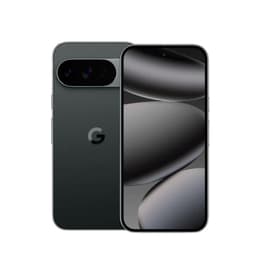
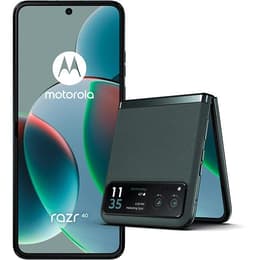
Google Pixel 10 Pro XL vs Motorola Razr 40
- 1-year warranty
- Free standard shipping
- Free 30-day returns
Differences at a glance
The Google Pixel 10 Pro XL (2025) and the Motorola Razr 40 (2023) represent two entirely different form factors and design philosophies within the modern smartphone landscape. While the Google Pixel 10 Pro XL is a traditional large-screen slate flagship featuring robust software integration, the Motorola Razr 40 offers a compact foldable clamshell design geared towards portability. Both devices run on the Android operating system, yet they cater to distinct user preferences regarding physical build, daily utility, and visual presentation.
Available Models
Colour
Storage (GB)
Scores
Durability
When evaluating long-term usability and hardware longevity, these two models follow different timelines and update schedules.
- Release timeline and update support: The Google Pixel 10 Pro XL benefits from a more recent release year, paired with an extended software support window that delivers multiple years of operating system upgrades and security patches. The Motorola Razr 40, having launched earlier, operates on an older software baseline with fewer remaining scheduled major updates.
- Repairability and physical endurance: Traditional slate devices like the Pixel generally offer straightforward structural durability and predictable hinge-free maintenance. Conversely, foldable phones like the Razr require careful handling around the folding screen mechanism, though both devices provide reliable build quality for everyday use.
Release year
2025
2023
Operating system
Android
Android
Foldable
No
Yes
Performance
Daily operation and hardware efficiency vary significantly between these two handsets, influencing multitasking and power management.
- Multitasking and system speed: The Google Pixel 10 Pro XL comes equipped with ample system memory and a current-generation processor, allowing demanding applications, heavy multitasking, and complex software tasks to run smoothly. The Motorola Razr 40 handles everyday messaging, web browsing, and moderate app usage comfortably, though intensive gaming or heavy multi-window tasks may test its mid-range processing limits.
- Battery behavior and storage: The Pixel features a large internal battery capacity designed to comfortably endure a full day of intensive use, alongside generous baseline storage configurations. The Razr packs a smaller battery cell to accommodate its slim folding profile, meaning heavier users may need a top-up charge before the end of the day. Choosing a quality-assured refurbished option provides a sustainable way to access these capabilities while reducing electronic waste.
Screen quality
Display technology creates a major divergence in how media, text, and everyday interfaces are experienced on each device.
- Panel design and visual clarity: The Google Pixel 10 Pro XL utilizes a spacious slate display with high resolution, deep contrast levels, and vibrant colors suited for media consumption and document editing. The Motorola Razr 40 features a flexible folding screen that folds in half, complemented by an exterior secondary display for quick notifications without opening the phone.
- Brightness and responsiveness: Both devices offer high refresh rates for smooth scrolling and fluid animations. However, the Pixel achieves higher peak outdoor brightness levels, ensuring legibility under direct sunlight, while the Razr provides a unique immersive viewing experience inherent to tall foldable aspect ratios.
Resolution
1344x2992
1080 x 2640
Audiovisual
Photography and multimedia capture capabilities differ notably in lens versatility and processing output.
- Camera hardware versatility: The Google Pixel 10 Pro XL includes a versatile triple-lens setup featuring a high-resolution primary sensor, an ultra-wide lens, and a dedicated telephoto lens with optical zoom capabilities for distant subjects. The Motorola Razr 40 relies on a dual-camera system consisting of a primary wide lens and an ultra-wide lens, omitting a dedicated long-range telephoto option.
- Low-light and video performance: The Pixel excels in computational photography, producing balanced low-light images and stable video recording across various conditions. The Razr captures clear everyday shots and benefits from its folding form factor, which allows the phone to prop itself up on flat surfaces for hands-free photo and video capture.
Miscellaneous
Physical dimensions, connectivity, and everyday utility features shape the practical handling of each smartphone.
- Build and ergonomics: The Google Pixel 10 Pro XL is a solid, premium slate device with substantial weight and a large footprint that requires two-handed use for comfort. In contrast, the Motorola Razr 40 folds down into a compact, pocket-friendly square that easily fits into small bags or pockets.
- Connectivity and sensors: Both smartphones support modern 5G networks, fast Wi-Fi standards, and Bluetooth pairing. Security is handled differently, with the Pixel utilizing an advanced under-display fingerprint reader and facial recognition, while the Razr places its fingerprint sensor on the side power button.
Weight
232 oz
189 oz
Screen size (in)
6.8
6.9
Network
5G
5G
SIM card
Physical SIM + eSIM
Dual Physical SIM
Carrier compatibility
Unlocked
Unlocked
What the community thinks
User discussions and community feedback highlight distinct preferences for each model based on daily habits. Owners of the Google Pixel 10 Pro XL frequently praise its reliable battery longevity, comprehensive camera zoom capabilities, and smooth software experience. Common discussions surrounding the Pixel note its larger physical footprint, which can feel heavy during prolonged one-handed use. On the other hand, Motorola Razr 40 users appreciate the pocketable folding design, the convenience of the external preview screen, and the unique form factor. Criticisms for the Razr often focus on the more modest battery capacity and the visibility of the screen crease in certain lighting conditions.
Users prioritizing photography versatility, maximum processing power, and long-term software support may prefer the Google Pixel 10 Pro XL. Conversely, users prioritizing pocket portability, a compact footprint, and a unique folding design will find the Motorola Razr 40 well-suited to their needs. Opting for a quality-assured refurbished option serves as an eco-friendly choice that extends device lifecycles. Ultimately, the decision depends on whether a traditional large-screen slate or a modern folding clamshell aligns better with daily routines.