

Compare models
Galaxy Z Flip7 vs Google Pixel 7a
- 1-year warranty
- Free standard shipping
- Free 30-day returns
Differences at a glance
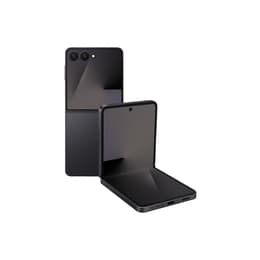
The Samsung Galaxy Z Flip7 (2025) and the Google Pixel 7a (2023) represent two very distinct approaches to modern smartphone design, contrasting a foldable clamshell flagship with a traditional mid-range device. While both run on the Android operating system, they cater to completely different physical formats and user expectations. Choosing between them involves weighing a compact folding form factor against a conventional, pocket-friendly candy-bar layout.
Available Models
Colour
Storage (GB)
Scores
Durability
When examining hardware longevity and software support, both devices offer robust update lifecycles, though their release years and physical durability mechanisms differ significantly.
- Software Support and Updates: Both manufacturers provide multi-year operating system updates and security patches, though the newer model benefits from an extended support window starting from its more recent 2025 release date.
- Physical Build and Repairability: The Galaxy Z Flip7 features a complex folding hinge mechanism and flexible internal screen that requires careful handling, whereas the Google Pixel 7a uses a rigid, traditional unibody construction with standard glass protection that scores predictably for straightforward repairs.
- Expected Lifespan: Users can anticipate reliable multi-year service from both phones, with the traditional bar format of the Pixel generally sustaining fewer mechanical wear points over extensive daily use compared to a folding screen.
Release year
2025
2022
Performance
Underneath their exteriors, these devices handle day-to-day computing tasks, storage configurations, and power management through contrasting hardware platforms.
- Memory and Storage: The Galaxy Z Flip7 provides higher baseline RAM and expansive storage capacities starting at 256GB, while the Google Pixel 7a comes configured with a standard 128GB storage tier suited for average daily media and app archiving.
- Multitasking and Responsiveness: Both units handle everyday tasks like web browsing, social media scrolling, and streaming smoothly, though heavier applications and intensive mobile gaming run with added visual fluidity on the higher-tier processor of the newer Samsung foldable.
- Battery Behavior: Battery capacities are relatively comparable between the two, but real-world endurance varies; the Pixel 7a manages a standard full day of moderate use, while the Z Flip7 balances power across both its external cover screen and main display.
Screen quality
Visual output and display versatility differ markedly due to the folding architecture of one device versus the traditional flat panel of the other.
- Display Technology: The Galaxy Z Flip7 employs a dynamic folding OLED main panel alongside a large, functional exterior cover screen, while the Google Pixel 7a utilizes a traditional, flat OLED display protected by standard cover glass.
- Brightness and Outdoor Clarity: Both screens offer high peak brightness levels and vivid color reproduction, making content easily legible under direct sunlight, though the Z Flip7 achieves higher maximum brightness thresholds for bright environments.
- Refresh Rate and Fluidity: Both devices support high refresh rate capabilities up to 90Hz or higher, ensuring smooth scrolling through menus, web pages, and user interface transitions.
Audiovisual
Photography and media consumption capabilities reflect distinct sensor arrays and audio setups tailored to each form factor.
- Camera System Capabilities: The Galaxy Z Flip7 features a versatile dual-rear setup anchored by a high-resolution primary sensor and an ultra-wide lens, matching the Google Pixel 7a's dual-camera arrangement known for reliable computational photography processing.
- Low-Light and Video Performance: Both phones capture sharp everyday images and clear video recordings in varied lighting conditions, with specialized software enhancements aiding low-light clarity and stabilization.
- Audio and Media Output: Stereo speakers are integrated into both models, delivering clear dialogue for calls and videos, though neither includes a physical headphone jack, relying instead on wireless audio connectivity.
Miscellaneous
Practical daily utility is shaped by connectivity standards, physical dimensions, and handling characteristics.
- Connectivity and Ports: Both models support modern 5G cellular networks, Wi-Fi connectivity standards, and Bluetooth pairing, utilizing a reversible USB Type-C port for wired charging and data transfers.
- Security and Sensors: Biometric authentication is handled via responsive fingerprint recognition and facial scanning features integrated securely into each device's hardware design.
- Dimensions and Weight: The Google Pixel 7a maintains a traditional, uniform thickness and a solid weight in the hand, whereas the Galaxy Z Flip7 folds in half to occupy significantly less pocket space despite being slightly longer when fully unfolded.
Screen size (in)
6.9
6.3
Network
5G
5G
SIM card
Physical SIM + eSIM
Physical SIM + eSIM
Carrier compatibility
Unlocked
Unlocked
What the community thinks
User discussions across community forums frequently highlight the Google Pixel 7a for its straightforward, dependable performance, clean software interface, and reliable everyday camera capabilities without unnecessary complexity. Common praise centers on its straightforward usability, while occasional user feedback notes standard battery endurance limits under heavy network usage. Conversely, owners of the Galaxy Z Flip7 frequently praise its innovative folding design, expanded utility from the outer cover screen, and compact pocket footprint, though some users express mindfulness regarding the care required for folding display technology over extended years of ownership.
Users who prioritize a compact, pocket-friendly folding design with modern multitasking capabilities may prefer the Galaxy Z Flip7, while users who lean toward a traditional, straightforward smartphone experience with proven reliability will find the Google Pixel 7a well-suited to their needs. For those exploring sustainable purchasing routes, opting for a quality-assured refurbished option provides an eco-friendly alternative that extends device lifecycles without compromising on core functionality. Ultimately, the right choice depends entirely on whether a traditional bar layout or a folding clamshell format best complements your daily routine.