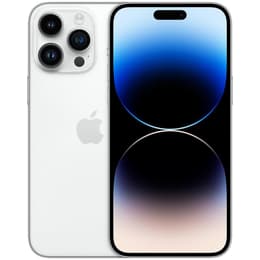
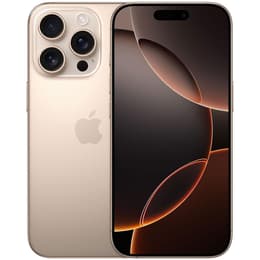

iPhone 14 Pro Max vs iPhone 16 Pro

iPhone 14 Pro Max
iPhone 14 Pro Max
Starting at

Refurbished price:A$726.00

Versus A$1,899.00 new

See options
iPhone 16 Pro
iPhone 16 Pro
Starting at

Refurbished price:A$1,134.00

Versus A$1,999.00 new

See options

Ratings

The iPhone 14 Pro Max, released in September 2022, and the iPhone 16 Pro, introduced in September 2024, represent different generations within Apple's professional-grade smartphone lineup. While both offer premium experiences, the iPhone 16 Pro brings advancements in processing power, camera technology, and connectivity, alongside a more compact form factor compared to the larger 14 Pro Max. Both devices operate on Apple's iOS ecosystem, ensuring a consistent software experience with regular updates.

Scores

Durability

Evaluating the practical lifespan of these devices involves considering their release timelines, software support, and physical resilience.

  • Release Timeline: The iPhone 14 Pro Max was released in September 2022, making it an older model compared to the iPhone 16 Pro, which was introduced in September 2024. This two-year difference directly impacts the duration of future software support.
  • Software Longevity: Apple typically provides several years of iOS updates for its devices. The iPhone 16 Pro, being newer, is expected to receive software updates for a longer period than the iPhone 14 Pro Max, extending its functional life and access to new features and security patches.
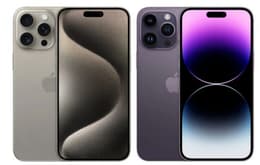
  • Build and Durability: Both models feature robust construction with Ceramic Shield front covers for enhanced drop performance and IP68 ratings for water and dust resistance. The iPhone 14 Pro Max utilizes a stainless steel frame, while the iPhone 16 Pro incorporates a titanium frame, which is known for its strength and lighter weight.

Release year

2022

2024

Compatible with latest Update

Yes

Yes

Foldable

No

No

Performance

The core processing capabilities differentiate these two devices, influencing how smoothly they handle demanding tasks and everyday operations.

  • Processing Power: The iPhone 14 Pro Max is equipped with the A16 Bionic chip, while the iPhone 16 Pro features the newer A18 Pro chip. This generational leap means the iPhone 16 Pro offers enhanced CPU and GPU performance, translating to faster app loading, more fluid multitasking, and improved responsiveness in graphically intensive applications and games.
  • Multitasking and Efficiency: The A18 Pro in the iPhone 16 Pro is designed for greater efficiency and power, allowing it to manage more complex workflows and background processes with less strain on the battery. Users engaging in heavy multitasking or professional creative work may notice a more significant difference in sustained performance on the newer model.
  • Storage Options: Both devices offer a range of internal storage capacities, catering to different user needs for apps, photos, and videos. The specific configurations available may vary, but both provide ample space for most users.

Memory (GB)

6 GB

8 GB

Screen quality

The visual experience is a key aspect of any smartphone, and both iPhones offer high-quality displays with some notable differences.

  • Display Technology and Size: Both models feature Super Retina XDR OLED displays with ProMotion technology, offering adaptive refresh rates up to 120Hz for smooth scrolling and responsive interactions. The iPhone 14 Pro Max has a larger 6.7-inch display, providing an expansive viewing area. The iPhone 16 Pro features a slightly smaller, yet still generous, 6.3-inch display.
  • Brightness and Clarity: The iPhone 14 Pro Max offers a typical maximum brightness of 1000 nits and a peak outdoor brightness of 2000 nits, ensuring good visibility in various lighting conditions. The iPhone 16 Pro is expected to maintain or slightly improve upon these brightness levels, potentially offering enhanced clarity and color accuracy.
  • Visual Features: Both displays incorporate features like Dynamic Island, Always-On display, HDR support, and True Tone for adaptive color temperature. The iPhone 16 Pro may feature thinner bezels, contributing to a more immersive edge-to-edge viewing experience despite its slightly smaller overall screen size.

Resolution

1290 x 2796

1206 x 2622

Screen type

LTPO Super Retina XDR OLED

LTPO Super Retina XDR OLED

Audiovisual

Photography and videography capabilities are a strong suit for both Pro models, with the newer iPhone 16 Pro introducing significant enhancements.

  • Main Camera System: The iPhone 14 Pro Max features a 48MP main camera with a large sensor and second-generation sensor-shift optical image stabilization, alongside a 12MP ultrawide and a 12MP 3x telephoto lens. The iPhone 16 Pro also has a 48MP main sensor but upgrades the ultrawide camera to 48MP and includes a 12MP 5x telephoto lens, a feature previously exclusive to the larger Pro Max models.
  • Low-Light Performance and Zoom: The iPhone 16 Pro's upgraded ultrawide camera and the inclusion of the 5x telephoto lens on the smaller Pro model mean improved versatility and better performance in challenging lighting conditions and for capturing distant subjects. Both models benefit from computational photography features like Photonic Engine and Night mode for enhanced image quality.
  • Video Capabilities: Both devices offer advanced video recording, including Cinematic mode and Action mode. The iPhone 16 Pro is expected to support 3K video recording at 120 frames per second, offering a new balance of high resolution and frame rate for video creators.

Main camera

48 megapixels

48 megapixels

Front camera

12 megapixels

12 megapixels

Miscellaneous

Beyond the core features, several practical elements contribute to the overall user experience of these smartphones.

  • Connectivity: The iPhone 14 Pro Max supports 5G and Wi-Fi 6. The iPhone 16 Pro steps up connectivity with support for Wi-Fi 7 and an advanced 5G modem, offering potentially faster wireless speeds, lower latency, and improved reliability, especially in congested network environments.
  • Ports and Biometrics: The iPhone 14 Pro Max uses the Lightning port for charging and data transfer. The iPhone 16 Pro, following newer Apple standards, features a USB-C port, offering broader compatibility with accessories. Both devices rely on Face ID for secure authentication.
  • Design and Handling: The iPhone 14 Pro Max is a larger and heavier device, weighing 240g, which provides a substantial feel and a large screen for media consumption. The iPhone 16 Pro, while slightly larger than its direct predecessor, remains more compact than the 14 Pro Max, potentially offering easier one-handed use for some users. The 16 Pro also introduces a new capacitive Capture button for camera functions.

Weight

120 oz

199 oz

Screen size (in)

6.7

6.3

SIM card

Physical SIM + eSIM

Physical SIM + eSIM

Carrier compatibility

Unlocked

Unlocked

Connector

Lightning

USB-C (USB 3)

Choosing between the iPhone 14 Pro Max and the iPhone 16 Pro depends largely on individual priorities regarding screen size, the latest technology, and overall form factor. The iPhone 14 Pro Max is praised for its expansive display and excellent battery life, making it a strong choice for users who prioritize a large screen for media consumption, productivity, and extended usage without frequent charging. Its camera system remains highly capable, delivering impressive photos and videos.

The iPhone 16 Pro, on the other hand, appeals to users seeking the most current advancements in mobile technology within a more manageable size. Its newer processor offers a noticeable boost in performance, ensuring it handles future applications and demanding tasks with ease. The significant camera upgrades, including the 48MP ultrawide and 5x telephoto lens on the smaller Pro model, make it particularly attractive for photography enthusiasts. The inclusion of Wi-Fi 7 and a USB-C port also provides future-proofing and enhanced connectivity.

Users who prioritize a larger display and maximum battery endurance might find the iPhone 14 Pro Max well-suited to their needs. Conversely, users who value the latest performance, advanced camera capabilities, and a slightly more compact design with modern connectivity options may lean toward the iPhone 16 Pro. Both devices, especially when considering quality-assured refurbished options, offer a sustainable choice for acquiring premium technology.
See all articles

Our recent comparisons