
Smartphones
Compare models
Differences at a glance
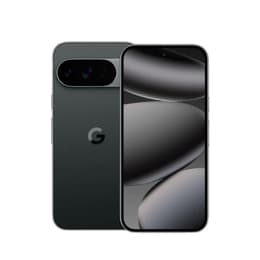
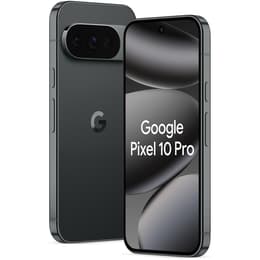
The Google Pixel 10 and Google Pixel 10 Pro are flagship smartphones released in 2025 that share a streamlined form factor and core processing foundations. While both devices run on the Android operating system and feature Google's integrated artificial intelligence capabilities, they cater to distinct preferences through variations in memory capacity, camera configurations, and display refinement. This comparison examines how these practical differences influence everyday usage.
Colour
Storage
Both models arrived on the market concurrently in August 2025, ensuring identical software release timelines and long-term support horizons under Android 16. Users looking into a quality-assured refurbished option will find that both handsets maintain high standards for physical durability and component longevity.
Release year
Operating system
Foldable
Powered by the same generation of internal processing architecture and running Android 16, both smartphones handle daily tasks, navigation, and demanding applications smoothly. Differences emerge primarily in memory allocation, which dictates multitasking headroom and sustained performance during intensive workflows.
Both the Google Pixel 10 and Google Pixel 10 Pro feature 6.3-inch displays with smooth refresh rates that adapt dynamically to on-screen content for fluid scrolling and viewing. Visual differences relate mostly to panel technology and peak luminance capabilities for bright environments.
Resolution
Photography remains a core focus for both smartphones, utilizing advanced computational processing to capture sharp images across various lighting conditions. The primary distinction lies in optical zoom range and secondary sensor resolutions tailored for different creative requirements.
Sharing nearly identical physical dimensions and modern connectivity standards, both devices offer familiar ergonomics and robust everyday usability. Minor variations involve weight distribution and specialized utility sensors integrated into the chassis design.
Weight
Screen size (in)
Network
SIM card
Carrier compatibility
User feedback from online communities highlights widespread praise for the comfortable form factor, reliable daily battery life, and dependable image processing found on both devices. Common discussions often note that while the standard model satisfies general smartphone needs efficiently, some users encounter limitations with maximum zoom range compared to more specialized setups. Choosing the sustainable choice through a quality-assured refurbished option further broadens access to these modern features.
Users prioritizing general multitasking, straightforward photography, and a compact daily device will find the Google Pixel 10 well-suited to their needs. Conversely, users prioritizing advanced zoom capabilities, higher memory allocation for demanding workloads, and enhanced display peak brightness may prefer the Google Pixel 10 Pro. Evaluating personal usage habits against these specific hardware distinctions helps determine the most appropriate model.