
Compare models

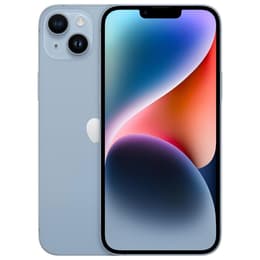
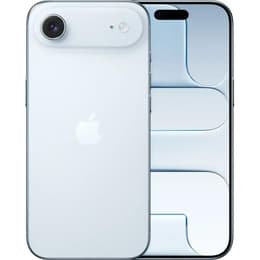
iPhone 14 Plus vs iPhone Air

  • 1-year warranty
  • Free standard shipping
  • Free 30-day returns
iPhone 14 Plus
Starting at

Refurbished price:A$524.00

Versus A$1,249.00 new

See options
iPhone Air
Starting at

Refurbished price:A$1,061.00

Versus A$1,899.00 new

See options

Differences at a glance

The iPhone 14 Plus (2022) and the iPhone Air (2025) represent two distinct approaches to large-screen smartphone design within Apple's ecosystem. While both devices cater to users seeking expansive display real estate, they differ significantly in their release timeline, physical profile, and internal capabilities. The iPhone 14 Plus focuses on a traditional large-format structure, whereas the iPhone Air introduces a breakthrough ultra-slim form factor powered by advanced internal architecture.

Available Models

Colour

Storage (GB)

Scores

Durability

The release timeline and hardware architecture of each device influence their expected software longevity and structural lifespan in daily use.

  • Release timeline and support: The iPhone 14 Plus launched in 2022, while the iPhone Air arrived in late 2025, giving the newer model an extended window for future software updates and security patches.
  • Repairability and durability: Both models feature robust water resistance and durable glass fronts, though the iPhone Air utilizes newer protective materials on its casing designed to withstand everyday wear in a much thinner body.
  • Practical lifespan: Users can expect solid long-term usability from both devices, with the iPhone Air providing additional hardware headroom for future operating system demands.

Release year

2022

2025

Compatible with latest Update

Yes

Yes

Operating system

iOS

iOS

Foldable

No

No

Performance

Underneath their exteriors, these devices handle everyday multitasking, storage demands, and power management through different generations of internal components.

  • Storage configurations: The iPhone 14 Plus offers storage capacities scaling up to 512GB, whereas the iPhone Air begins at higher baseline storage tiers and extends up to 1TB for large media libraries.
  • System responsiveness: The iPhone Air handles demanding apps, complex multitasking, and high-end gaming with smoother execution thanks to its newer, high-efficiency processor generation.
  • Battery behavior: The iPhone 14 Plus relies on a larger physical housing for extended battery longevity, while the iPhone Air achieves efficient power management despite its remarkably thin profile.

Screen quality

Both smartphones feature large high-resolution OLED displays, but they diverge notably in brightness capabilities and motion smoothness.

  • Display technology: Both models utilize vibrant OLED panels with deep contrast and wide color support, though the iPhone Air incorporates advanced adaptive refresh rate technology scaling up to 120Hz for smoother scrolling.
  • Outdoor visibility: The iPhone Air reaches higher peak outdoor brightness levels, making on-screen content easier to read under direct sunlight compared to the iPhone 14 Plus.
  • Screen dimensions: The iPhone 14 Plus offers a 6.7-inch viewing area, closely matching the 6.5-inch immersive display found on the iPhone Air.

Resolution

1284 x 2778

2736x1260

Screen type

Super Retina XDR OLED

Super Retina XDR

Audiovisual

Imaging hardware and media playback capabilities reflect distinct generational updates in photography and sound output.

  • Camera systems: The iPhone 14 Plus features a dual-lens rear setup including a main and ultra-wide camera, while the iPhone Air streamlines photography with a high-resolution single main sensor backed by advanced image processing.
  • Video and low light: Both devices capture detailed 4K video and handle dim environments effectively, with newer computational photography features on the iPhone Air enhancing clarity in challenging lighting.
  • Media consumption: Built-in speaker systems on both models deliver clear audio for calls and video playback, complemented by crisp microphone performance.

Main camera

12 megapixels

48 megapixels

Front camera

12 megapixels

18 megapixels

Miscellaneous

Physical dimensions, connection ports, and handling characteristics define the day-to-day ergonomic experience of using each smartphone.

  • Weight and thickness: The iPhone Air stands out for its ultra-thin profile and lighter weight, whereas the iPhone 14 Plus has a more traditional, heavier build footprint.
  • Connectivity and ports: Both devices utilize USB-C or Lightning connectors depending on the generation, alongside fast 5G cellular capabilities and modern Wi-Fi standards.
  • Biometrics: Both models rely on secure facial recognition sensors housed near the top of the display for device unlocking and authentication.

Weight

203 oz

165 oz

Screen size (in)

6,7

6.5

Network

5G

5G

SIM card

Physical SIM + eSIM

eSIM

Carrier compatibility

Unlocked

Unlocked

Connector

Lightning

USB-C

What the community thinks

User feedback from online communities highlights distinct preferences between these two devices. Owners of the iPhone 14 Plus frequently praise its dependable battery longevity and large viewing space, though some note its heavier weight during one-handed use. Conversely, users of the iPhone Air highlight its remarkably light, slim structure and responsive display refresh rates, while occasionally noting that the single-camera setup requires a shift in photography habits. When evaluating options, users prioritizing an exceptionally lightweight and thin physical build may prefer the iPhone Air, while those focusing on traditional handling and robust battery endurance often lean toward the iPhone 14 Plus. Exploring a quality-assured refurbished option provides a sustainable choice for acquiring either model without compromising on performance standards. Ultimately, the right choice depends on whether daily routines benefit more from an ultra-slim profile or a classic large-format build.